

Junk Status – what does it all mean?
The weaker Rand causes high inflation which means people will spend less money – less money means businesses are struggling, which in turn leads to higher unemployment.
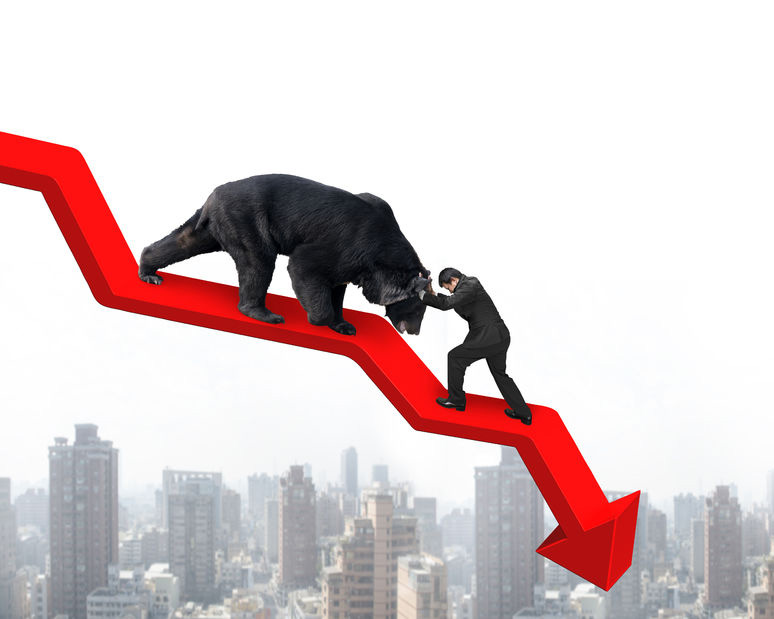
The words “junk status” are being bandied about accompanied by ominous mutterings regarding our economy.
We asked our ZAR Forex Report writer and local resident, Herman Howell to break it down in layman’s terms so that we understand what it means, and the effect should we be downgraded to junk status.
If you have been following the financial news, or any news for that matter, you would have no doubt come across the term “junk status” or “credit rating” and whether SA will be downgraded to junk status.
For the average person on the street, what does it all mean and where does this term come from?
S&P (Standard and Poor’s) and Moody’s are two of the biggest and most influential financial and investor research companies – their opinion in the financial world is the equivalent to Cosmo, Elle or Vogue of the fashion world. We are talking about companies of over a 100 years old that publish and have published investor notes for years – and while there are many criticisms and scandals surrounding them, they still advise and are followed by some of the biggest powerhouses in finance.
They act as credit rating agencies where they rate each country’s creditworthiness and risk from AAA (low risk, capital rich) to very low, or junk such as CCC.
South Africa is currently rated BBB status, or one level above junk. We have just narrowly escaped a downgrade by both agencies, however their views of SA remain “negative”. We are well aware of the current issues we are facing such as corruption, high unemployment, high inflation, slow growth etc, let’s not focus on how we got here, but rather what junk status means – in laymen’s terms.
Junk bonds or junk status are so called because of the higher risk they carry, in particular high default risk, ie ability to repay loans. This means that professional investors such as hedge funds and pension funds are by policy not allowed to invest in countries or bonds with junk status due to the high risks to repay funds.
Picture South Africa as a person working for a salary; when your salary (ie investments) dries up, you cannot cover your expenses. You also cannot get a loan to cover expenses as you are deemed too risky to the bank and when you visit the ATM, there is no money in your account…this is the situation countries with junk status find themselves in.
As a person you would be in desperate need of money or income, you sell your assets below market value. The same happens to a country; asset prices (JSE stock market) drop due to lack of demand and the currency, the Rand, devalues even further.
The weaker Rand causes high inflation which means people will spend less money – less money means businesses are struggling, which in turn leads to higher unemployment. From here one could say things can turn ugly and ironically, it does not help – increased protests, as we have seen, along with lower productivity levels only add to the misery. When you stop a business from operating or a person from working you are essentially cutting their lifeline.
If it sounds like a vicious vicious circle, it would be because it is. According to most analysts, it takes on average seven to eight years to come back to investment grade.
Fortunately for SA, our Finance Minister Pravin Gordhan has done a fantastic job in saving us from junk status. For now…

Do you want to receive news alerts via WhatsApp? Send us a WhatsApp message with your name and surname to 061 718 4438.
Please read our WhatsApp broadcast list disclaimer.
Join us on BBM at 59015786
Join the conversation on Facebook, Twitter and Instagram.
Stay in the loop with The North Coast Courier on Facebook, X, Instagram & YouTube for the latest news.
Mobile users can join our WhatsApp Broadcast Service here, or if you’re on desktop, scan the QR code below.