

Gauteng measles outbreak sparks vaccine concerns on the Dolphin Coast
Misinformation about vaccines continues to spread faster than the deadly viruses they seek to protect us from
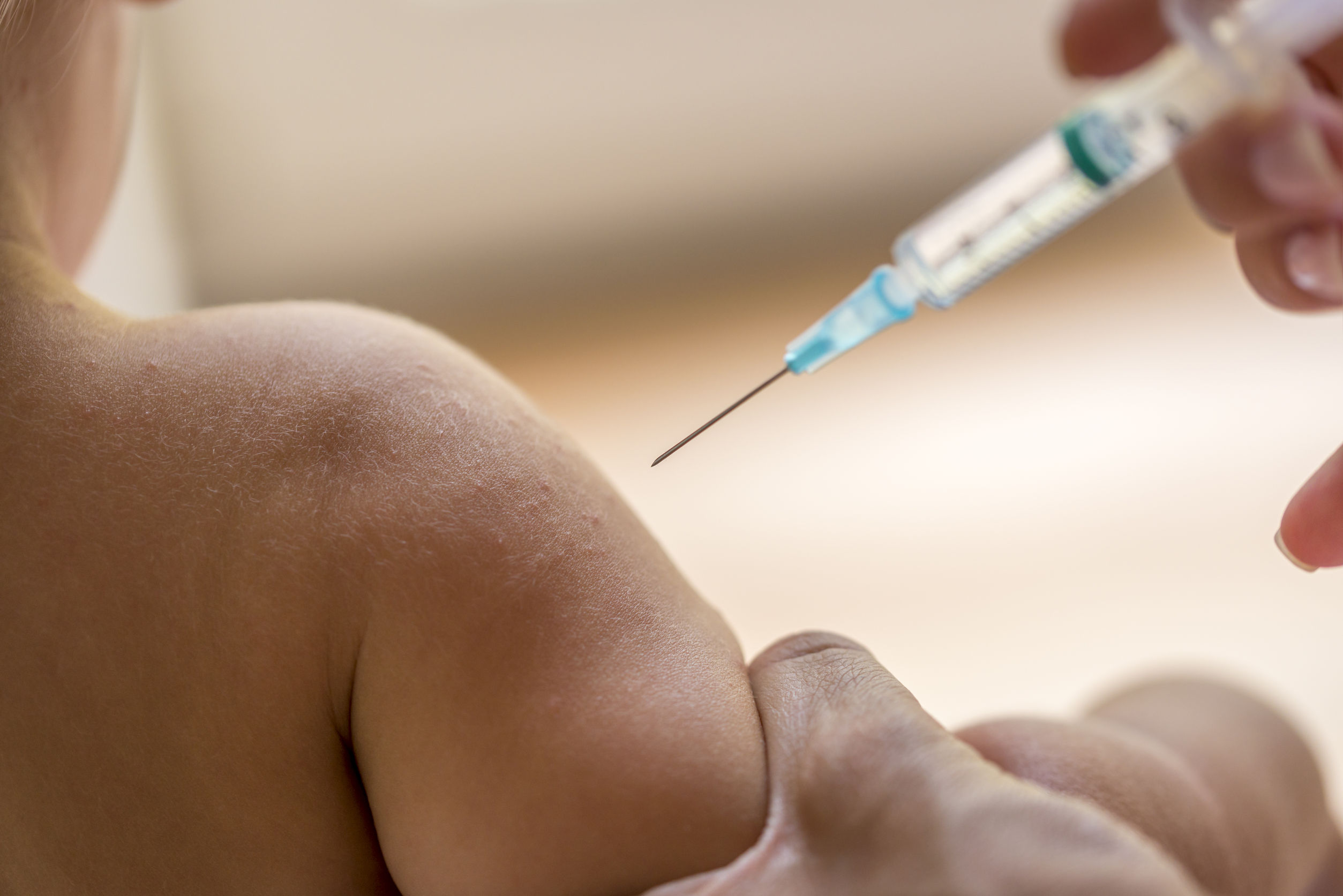
The recent spike in measles cases in Gauteng and the Western Cape is a direct result of parents refusing to vaccinate against the illness, and the trend is concerningly common on the Dolphin Coast.
Emergency measles vaccination campaigns have in the past month been launched across the country in an effort to prevent mass outbreaks like those seen recently across Europe.
Measles outbreaks have reached crisis proportions across Europe wherever immunisation coverage has dropped.
More than 700 cases of measles have been registered in Italy alone so far this year compared to 220 in the same period last year.
At least 95 per cent of the population should be vaccinated against measles to ensure good protection against outbreaks of the disease.
Ballito paediatrician Professor Andre van Niekerk stressed the importance of vaccines and how the benefits far outweigh the risks.
“We are living in a crowded world where our children are easily exposed to germs every day,” said van Niekerk.
“Our biggest goal is to create herd immunity to avoid contagious infections such as measles and influenza, but without enough people being vaccinated, this cannot be achieved.”
Herd immunity, or community immunity, is a form of indirect protection from contagious disease that occurs when a large percentage of a population has become immune to an infection, thereby providing a measure of protection for individuals who are not immune.
With a growing number of parents no longer taking their children for routine vaccine shots, contagious infections could spread at a rapid rate.
The total immunisation coverage in the country over the 2013/2014 period stood at 84.4 per cent according to the district health barometer by the Health Systems Trust.
The figure points to a drop in almost ten percentage points from the 94 per cent coverage, which was recorded the year prior, indicating a significant decline in the overall administration of vaccines.
Autism
Many parents remain particularly skeptical of the Measles, Mumps and Rubella (MMR) vaccine, following a fraudulent UK study that linked the vaccine to autism.
According to Wikipedia the 1998 research paper by Andrew Wakefield, published in the medical journal The Lancet, lent support to the later discredited claim that colitis and autism spectrum disorders were linked to the MMR vaccine.
“perhaps the most damaging medical hoax of the last 100 years”
Aspects of the media coverage later were criticized for lending undue credibility to the claims.
The study has since been disproved by an investigation published in the British Medical Journal (BMJ), but the damaging effects remain, and as a result, many parents worldwide are not vaccinating their children.
Wakefield was found guilty by the General Medical Council of serious professional misconduct in May 2010 and was struck off the medical register, meaning he could no longer practice as a doctor in the UK.
Further studies all found no link between the MMR vaccine and autism.
Physicians, medical journals, and editors have described Wakefield’s actions as fraudulent and tied them to epidemics and deaths, and a 2011 journal article described the vaccine-autism connection as “perhaps the most damaging medical hoax of the last 100 years”.
Superbugs
The reckless habit of not vaccinating in general could fuel a rise in antibiotic-resistant superbugs.
Annemarie Blackmore, Pharma Dynamics’ Antimicrobials portfolio manager said vaccinating your child is paramount in the ongoing fight against antibiotic-resistant superbugs.
“Antibiotic resistance is when an antibiotic has lost its ability to effectively control or kill bacterial growth and is exacerbated by the unnecessary and incorrect use of antibiotics.
“Vaccines have the potential to decrease disease, which can in turn reduce the need for antibiotic use,” remarks Blackmore.
More about measles
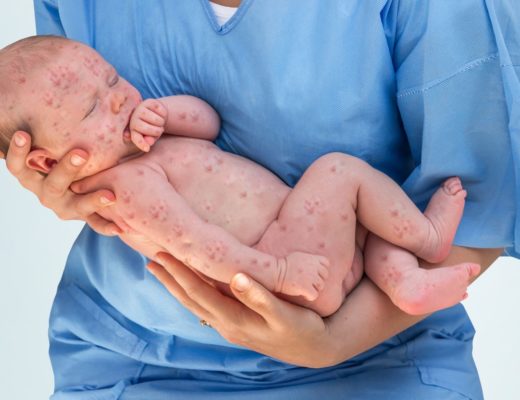
Measles is one of the most infectious diseases in the world and infection can result in brain damage, pneumonia and/or blindness.
“It is actually possible to totally eradicate measles from planet earth so that nobody ever gets again,” said Dr van Niekerk.
“There is only one strain of the measles virus and it needs susceptible humans for survival.
“The measles virus cannot survive in nature or in animals. It is therefore possible to eradicate measles by simply vaccinating everybody against it so that it does not have access to susceptible hosts any longer.
“The global eradication of measles was a World Health Organisation goal, but the goal failed due to inadequate vaccine penetration. Polio and rubella (German measles) can also be eradicated if people just took the vaccines. Small pox was successfully eradicated at a time when everybody took the vaccine.”
Symptoms
Measles is spread by direct contact and through the air by coughs and sneezes
Look out for a high fever and flu-like symptoms.
Two to three days in, tiny white spots may appear inside the mouth, followed by a rash, which usually starts out as tiny flat red spots on the face, neck, trunk and extremities.
There is no treatment, but two doses of vaccine can prevent infection in the first place
If you suspect your child has the measles, visit a GP or nearest clinic to you immediately.
Key facts
- Measles is one of the leading causes of death among young children even though a safe and cost-effective vaccine is available.
- In 2015, there were 134 200 measles deaths globally – about 367 deaths every day or 15 deaths every hour.
- Measles vaccination resulted in a 79% drop in measles deaths between 2000 and 2015 worldwide.
- In 2015, about 85% of the world’s children received one dose of measles vaccine by their first birthday through routine health services – up from 73% in 2000.
- During 2000-2015, measles vaccination prevented an estimated 20.3 million deaths making measles vaccine one of the best buys in public health.
Source: World Health Organisation
>> Expect to find the latest trends in Health, Wellness and Beauty in Ballito.
>> Meet the top players in the North Coast property industry. See our Property People feature.
Do you want to receive news alerts via WhatsApp? Send us a WhatsApp message (not an sms) with your name and surname to 061 718 4438.
Please read our WhatsApp broadcast list disclaimer.
Join us on BBM at 59015786
Join the conversation on Facebook, Twitter and Instagram.
Stay in the loop with The North Coast Courier on Facebook, X, Instagram & YouTube for the latest news.
Mobile users can join our WhatsApp Broadcast Service here, or if you’re on desktop, scan the QR code below.