

Get yourself tested for breast cancer
KZN DA health spokesperson Dr Imran Keeka encouraged men and women to learn how to do a self-examination and seek medical help if they find anything different
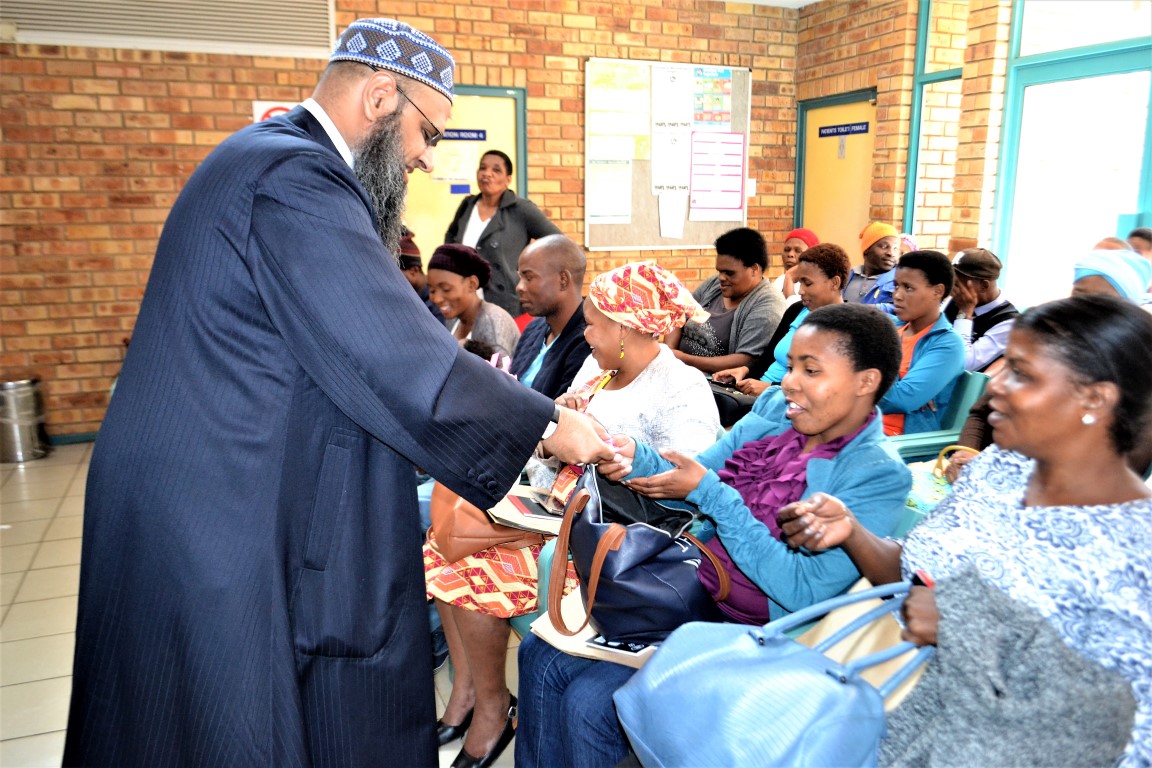
The number of people with breast cancer is high in KZN and people are encouraged to do regular breast cancer check-ups, before it is too late.
Conducting a breast cancer awareness session at the Ballito Clinic last week, KZN DA health spokesperson Dr Imran Keeka encouraged men and women to learn how to do a self-examination and seek medical help if they find anything different.
Also read: Planking in Pink for cancer
He said common breast cancer symptoms are a lump in the breast or armpit, bloody nipple discharge, inverted nipple, orange-peel texture or dimpling of the breast’s skin, breast pain or sore nipple, swollen lymph nodes in the neck or armpit, and a change in the size or shape of the breast or nipple.
“Breast cancer is also a problem in men and children. So, I strongly advise men to also do a checkup,” said Keeka.
It is also encouraged to get a “breast buddy,” someone who will remind you to check your breast or with whom you can check your breast together.
At least once a week have a breast checking session. A change of lifestyle can decrease the risk of breast cancer even in high-risk women.
The following are steps you can take to lower risk:
- Limit alcohol and do not smoke. Not smoking is one of the best things you can do for your overall health.
- Control your weight. Being overweight or obese increases the risk of breast cancer.
- Exercise regularly. The health department and human services recommend at least 150 minutes a week of exercise.
- Breastfeeding might also play a role in breast cancer prevention. The longer you breastfeed, the greater the protective effect.
- Limit the dosage and and duration of hormone therapy. Combination hormone therapy for more than three to five years increases the risk of breast cancer. If you are taking hormone therapy for menopausal symptoms, ask your doctor about other options. You might be able to manage your symptoms with non-hormonal therapies and medications. If you decide that the benefits of short-term hormone therapy outweigh the risks, use the lowest dose that works for you and continue to have your doctor monitor the length of time you are taking hormones.
- Avoid exposure to radiation and environmental pollution. Medical-imaging methods, such as computerised tomography, use high doses of radiation. While more studies are needed, some research suggests a link between breast cancer and radiation exposure. Reduce your exposure by having such tests only when absolutely necessary.
- Eating a healthy diet might decrease your risk of some types of cancer, as well as diabetes, heart disease, and stroke.
>> Ready to say ‘I Do’ on the Dolphin Coast? Meet the team ready to advise, help and deliver on your big day.
>> Visit our Education feature for a collection of all the best schools, tutoring systems, and even some colleges and training facilities on the North Coast.

Do you want to receive news alerts via WhatsApp? Send us a WhatsApp message (not an sms) with your name and surname to 061 718 4438.
Please read our WhatsApp broadcast list disclaimer.
Join us on BBM at 59015786
Join the conversation on Facebook, Twitter and Instagram
Stay in the loop with The North Coast Courier on Facebook, X, Instagram & YouTube for the latest news.
Mobile users can join our WhatsApp Broadcast Service here, or if you’re on desktop, scan the QR code below.