

Diwali: A pilgrimage back to family
When you consider the title 'Festival of Light', and that the original outward gesture of looking out for Rama and Sita's homecoming was marked by displaying clay lamps at the doorstep of one's home to 'guide' them, it does beg the question of where mass-produced fireworks took over as the primary festive tool.
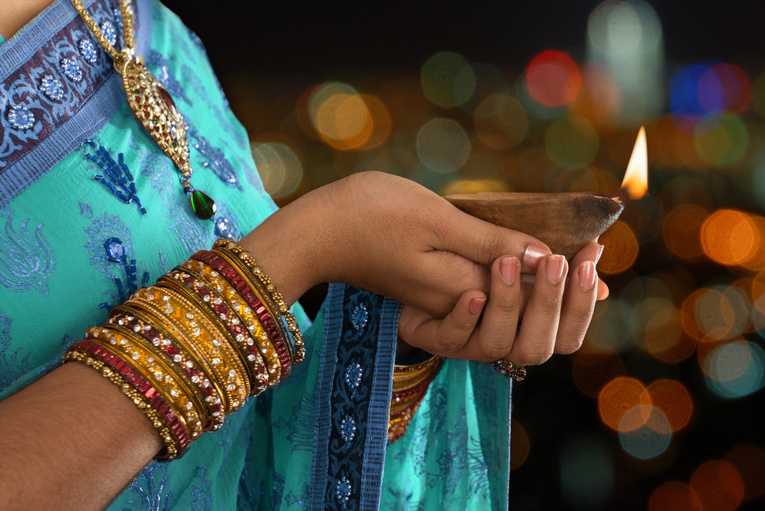
Growing up in Seatides, Thrivin Naidoo recalls with fondness the annual Diwali festival.
When I was a child I remember waking up early, filled with the tentative excitement for a day that contained two things only a kid would understand the gravity of: lots of sweets, and no school.
Naturally this was something anticipated by my non-religious classmates as well, given that I’d be returning to school the next day groaning under the weight of parcels and free food.
Diwali was a period event for me – everything from the week before as the smell of freshly baked naan katai, burfee and warm roti wafted into my room – down to seeing my family on the ceremonial day when they visited my sister and I.
Good laughter, generous giving and tender appreciation was the order of the week; no matter how awfully I was doing academically, this day was a 24 hour reprieve where my family doted on me with enough sugar, hugs and memories to drown out the other 364 days.
From my perspective, Diwali is akin to a Thanksgiving for followers of Hinduism.
ALSO READ: Umhlali’s divine Diwali celebration
Like the Hindu Lord Rama returning home after his legendary battle victory against Lord Ravana for stealing his bride, Sita, the fulcrum of appreciating Diwali was, in my eyes, laid down like a slingshot for followers of the faith to retrace their steps, take stock, return home from their pilgrimage and appreciate the value and deep-rooted harmony of the family unit.
This velvet blanket of comfort is described by the South African Hindu Maha Sabha as an exemplification of the Hindu Lord Ramachandra’s domestic fusion with his wife: “… as Lord Ramachandra is the ideal husband, mother Sita is the ideal wife. Such a combination makes family life very happy.”
When you consider the title ‘Festival of Light’, and that the original outward gesture of looking out for Rama and Sita’s homecoming was marked by displaying clay lamps at the doorstep of one’s home to ‘guide’ them, it does beg the question of where mass-produced fireworks took over as the primary festive tool.
The Jewish practice of leaving the door open for Elijah during leil shimurim or the ‘guarded night’ during Passover is probably not as grandiose an event as Diwali – given the sombre reasons behind the story, perhaps – but the discourse of pouring Elijah a glass of wine to receive him at the door hasn’t shifted to a tot of liquor for the sake of 21st century modernisation.
The essence of the Hindu mannerism is humility, appreciation, meekness and tolerance, tattooed onto the spiritual arm of its true followers like a birthmark – and the integrity of family cohesion is a pinnacle of what gives some Hindu homes the inviting genial ‘warmth’ many visitors come to acknowledge.
ALSO READ: Diwali lights up Shakaskraal
The Maha Sabha goes on to quote: “Lord Rama ruled his kingdom exactly like a father takes care of his children, and the citizens, obliged to the good government of Lord Rama, accepted the Lord as their father. Thus the relationship between citizens and their government should be exactly like that between father and son.”
Perhaps in a modern world where leadership is everywhere except in the caring hand of a father – and gangsters, bartenders and drug dealers try to step in and take over this pivotal role – we need to dominate our own spiritual battles and return home to our family values like Lord Rama, pay homage to the foundations forged in history and appreciate the ‘bare necessities’ – family, friends, love, peace and goodwill.
Leaving aside the smartphone, internet, television (and fireworks) for one day to reconnect soulfully with our loved ones, like a father and son would after returning home from victorious battle, would be returning to the true meaning of Diwali: a Festival of Light in our homes to banish the dark, and welcome the benevolence.
Download The North Coast Courier mobile app, now available free from the Apple iStore and on Google Play, for IOS and Android phones.

Stay in the loop with The North Coast Courier on Facebook, X, Instagram & YouTube for the latest news.
Mobile users can join our WhatsApp Broadcast Service here, or if you’re on desktop, scan the QR code below.