

Don’t let a run in with a snake spoil your festive season, get clued up now
With this nifty little guide, you will be able to more accurately identify which snake species is eyeing you while you are busy forgetting to breathe because of all the screaming.
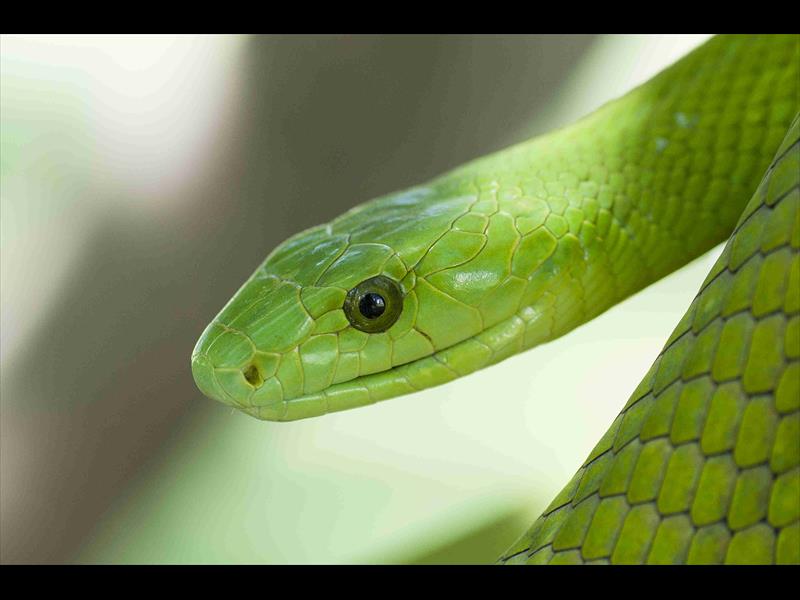
There’s simply no denying it – a snake slithering around your holiday home this December is not your idea of a great holiday.
You are screaming at the top of your lungs, waiting for your husband to get help meanwhile the poor reptile may very well be more scared of you than you are of it.
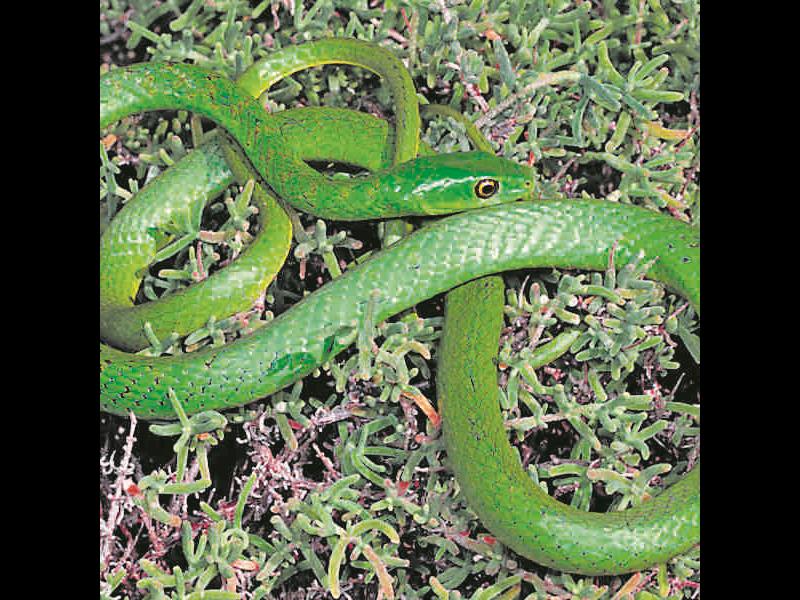
Most people think a black or brown snake is a Black Mamba and a green snake a Green Mamba. In fact, both these snakes are seldom seen.
This festive season it is hoped that holidaymakers and locals alike will think twice before perhaps killing a snake which they may come across as the warmer temperatures bake the coast.
With this nifty little guide, you will be able to more accurately identify which snake species is eyeing you while you are busy forgetting to breathe because of all the screaming.
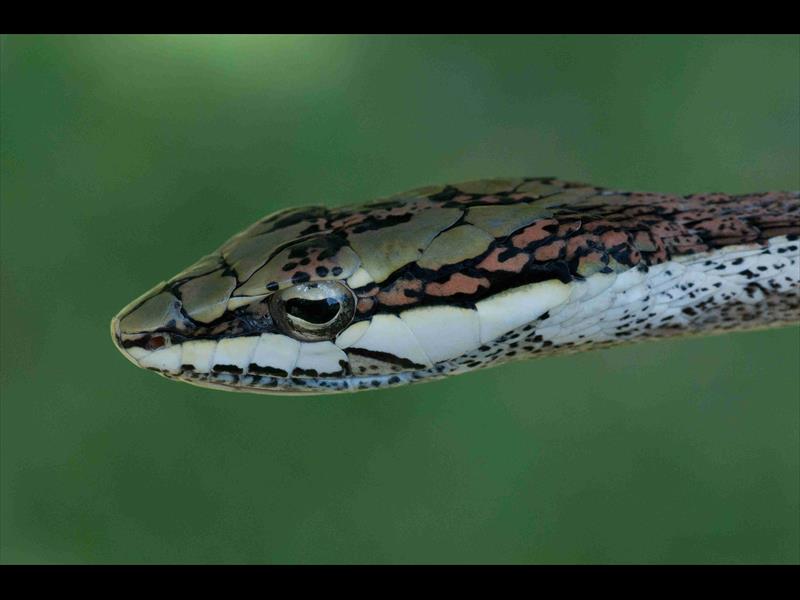
Most commonly found, the Spotted Bush Snake is a non-venomous snake which mostly feeds on geckos. This species is easily identified by the distinctive black spots on its skin.
The Eastern Natal Green Snake is also a common find which is non-venomous however, should not be mistaken for the Bush Snake thanks to it lacking clear spots.
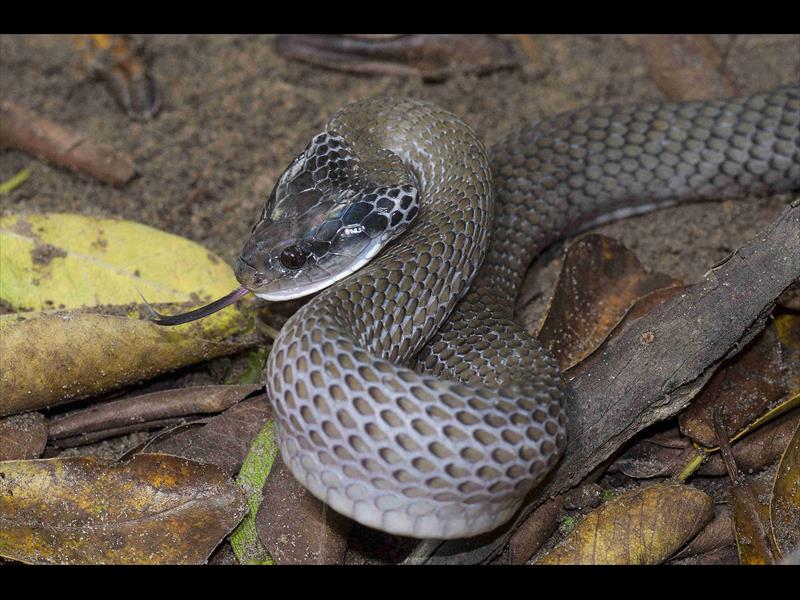
Despite being harmless, a bite from the Herald Snake can still leave you with a mild headache but prefers sticking to a diet of frogs, much like the Eastern Natal Green Snake which also enjoys lizards when not having a go at frogs.
Three non-venomous snake species – the Brown House Snake, Brown Water Snake and Worm Snake – respectively enjoy feasting on rats, lizards, frogs, fish and termites.
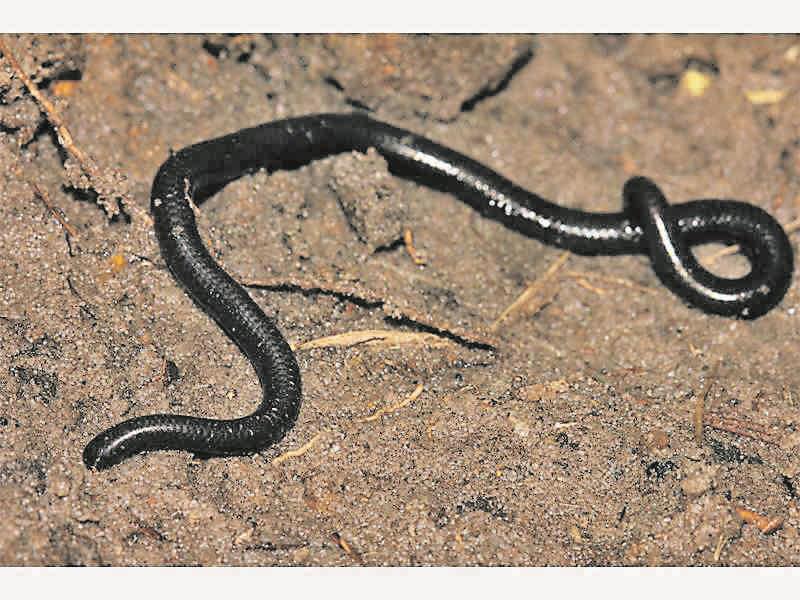
Mildly venomous species are the Short-snouted Grass Snake and Natal Black Snake which both enjoy rodents as snacks.
The Grass Snake is extremely fast-moving and difficult to catch, even for experienced snake catchers.
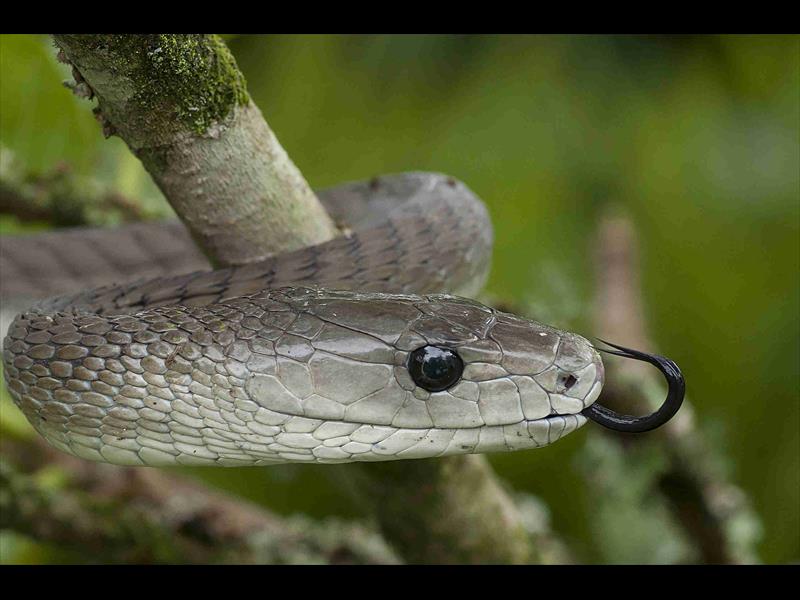
The Natal Black Snake is commonly mistaken for a Black Mamba despite being much darker and shinier in appearance. It is also black all over, not lighter on the belly.
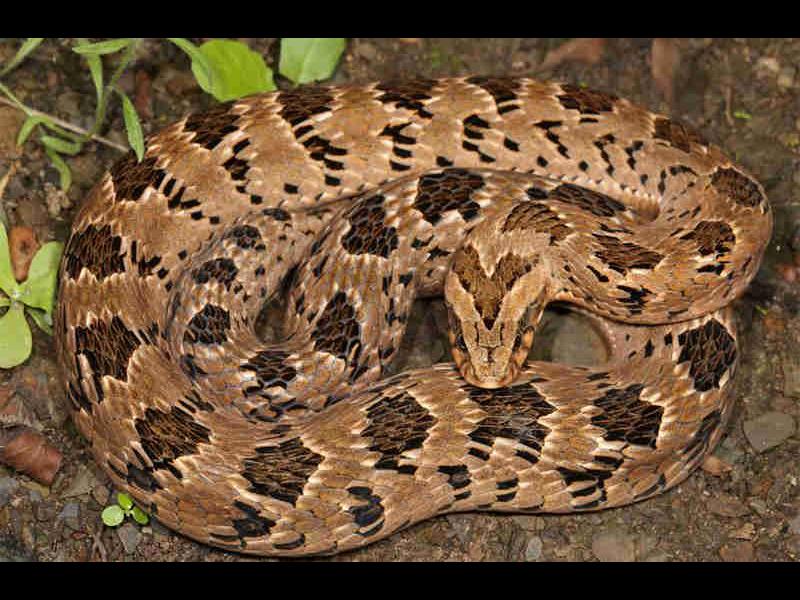
Venomous snakes to keep an eye out for include the Rhombic Night Adder which, despite its name, is more active during daytime. Night Adders enjoy toads over frogs. Its venom is cycotoxic and will cause swelling and pain.
A snake species you should not cross is the Stiletto Snake.
After the Mozambique Spitting Cobra and Puff Adder, the Stiletto Snake accounts for the majority of serious snakebites in South Africa.
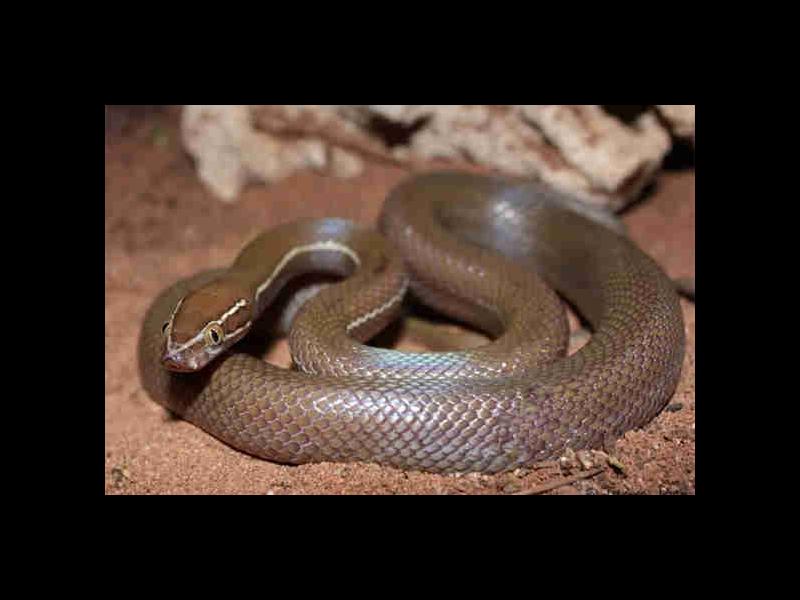
It spends most of its life underground but often emerges on hot humid nights and may be stepped on.
With large rotating fangs it cannot be handled safely and also cannot be held behind the head – it merely twists it head sideways and will get a fang to penetrate.
It is usually a blackish brown colour and is easily confused for a variety of harmless snakes. This snake averages 30 cm but can exceed 80 cm in length. Its venom is potently cytotoxic causing severe pain, swelling, blistering and necrosis.
Snakes which should be avoided at all costs include the Black and Green Mambas, the Mozambique Spitting Cobra, Vine Snake and Boomslang.
These five highly venomous species commonly hunt rodents, dassies, birds, toads and lizards. Interestingly, the Mozambique Spitting Cobra also sustains itself by at times hunting other snake species as a food source.
The Black Mamba is a large, strong snake and is in fact grey to brown in colour.
Only the inside of its mouth is an inky black. The Green Mamba is bright green on top with a lighter green belly. The Boomslang is a lighter green, sometimes with black markings, and is distinguished by its very large eyes.
Nick Evans of KwaZulu-Natal Amphibian and Reptile Conservation receives many calls asking him to identify snakes. He advises that people not panic and rather move away slowly. Then contact a snake catcher while keeping a watch on the snake.
Snakes play a vital role in the environment and for that reason, killing them is not advised.
Should you need a snake removed, contact:
Neville: 082 561 4969
Helen: 079 453 3557
Samantha: 072 316 8178 A/H N
Nick Evans at 072 809 5806.
Download The North Coast Courier mobile app, now available free from the Apple iStore and on Google Play, for IOS and Android phones.

Stay in the loop with The North Coast Courier on Facebook, X, Instagram & YouTube for the latest news.
Mobile users can join our WhatsApp Broadcast Service here, or if you’re on desktop, scan the QR code below.