
Historic hydrogen-fuelled solutions unveiled at the NWU
It was a momentous day for green energy solutions with the unveiling of a mobile hydrogen refuelling station that was engineered at the NWU with the support from various stakeholders.
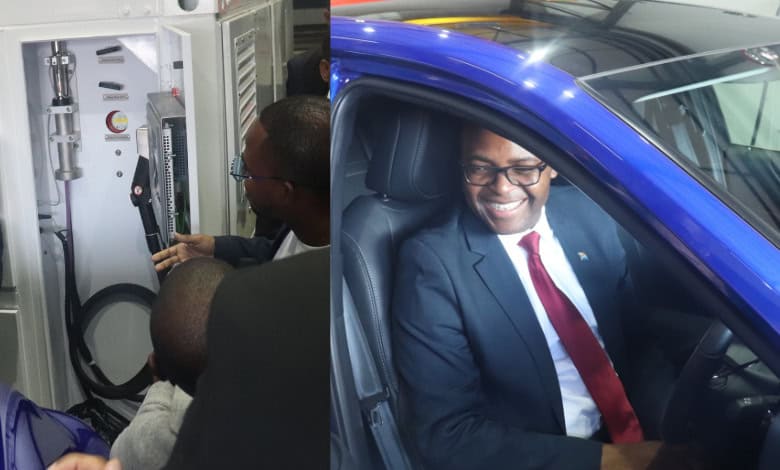
The demonstration of a groundbreaking mobile hydrogen refuelling station that fuels an electric motor vehicle is a testament to the innovation in green energy solutions in Potchefstroom.
This was just one of two groundbreaking projects that was unveiled at the Faculty of Engineering at North-West University (NWU) Potchefstroom Campus yesterday (Thursday, April 30).
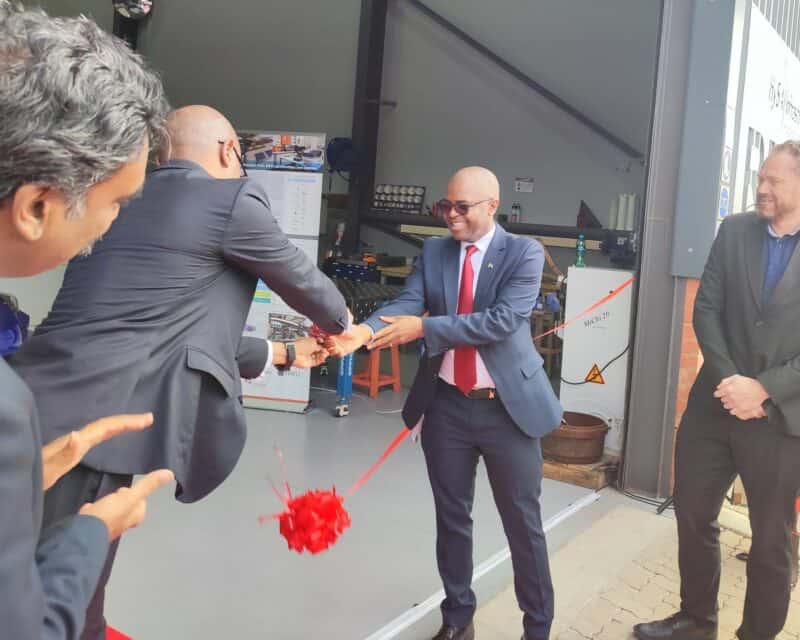
A colloborative effort from government, academia and the private sector saw the handover of a Mobile Hydrogen Refuelling Station and the opening of a Rapid Prototype Training and Testing Facility. An estimated R1.7 billon has been invested in this project that has its origins from 2007 as part of an extensive hydrogen roadmap.



This is an important milestone for renewable energy in the form of hydrogen to be used as an alternative fuel source, especially in lieu of the platinum rich province of North West.
Key role players in these developments include the Department of Science, Innovation and Technology’s (DSTI) energy RDI flagship programmes, the NWU HySA facility, Toyota, African Rainbow Minerals as well as SANEDI. What makes this project unique is that is locally driven with South African scientists, engineers and tradesmen collaborating on a proudly South African product.
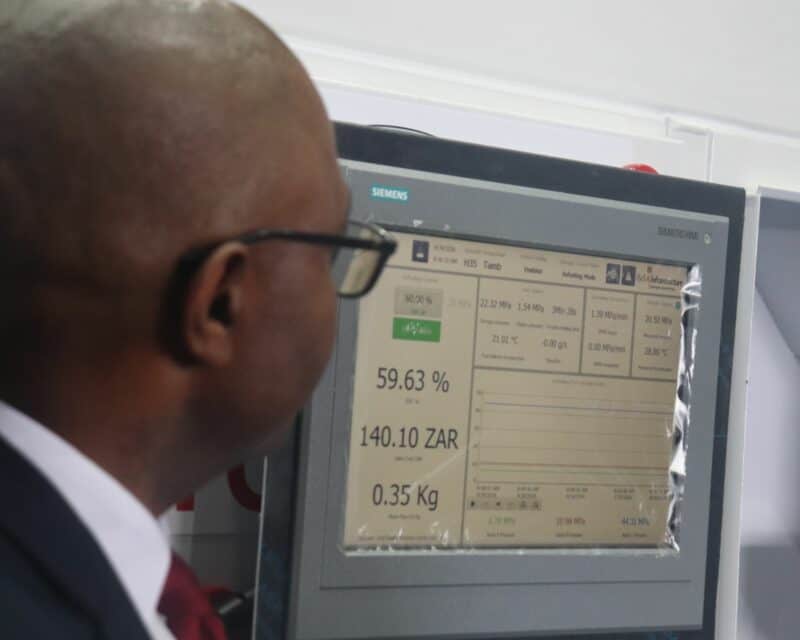
The Mobile Hydrogen Refuelling Station was completed in February 2025 through a partnership between the Hydrogen South Africa (HySA) Infrastructure Centre of Competence and Toyota South Africa Motors.
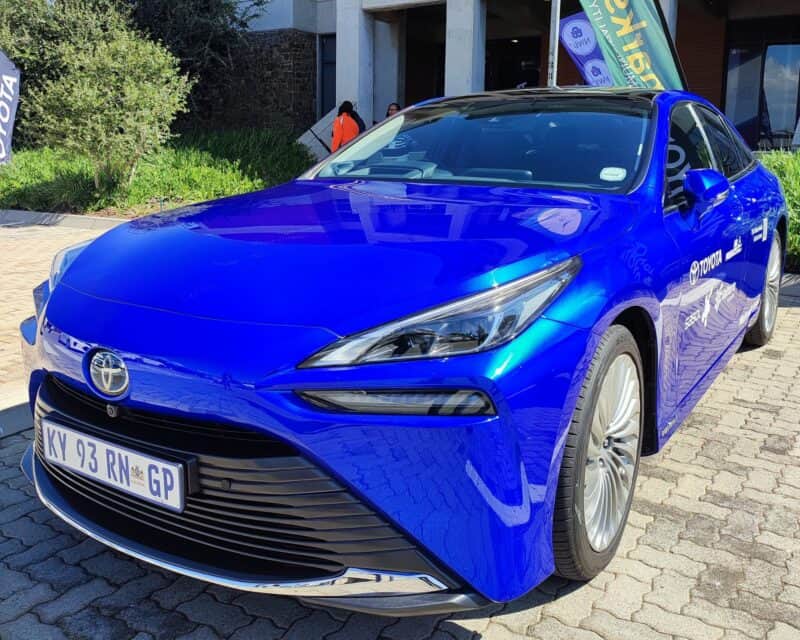
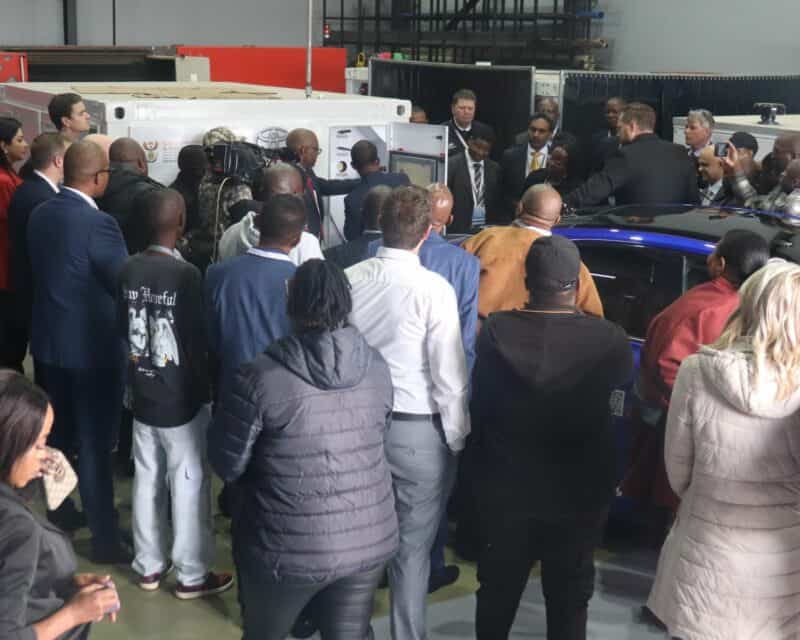
During the demonstration, Anton Smalberger, Senior Manager of New Energy Business Development at Toyota South Africa Motors, explained the dynamics of a hydrogen refuelling station and the fuel cell electric vehicle (Toyota Mirai) to dignitaries and media present.
“This equipment produced oxygen and hydrogen. Electrons attached to the hydrogen molecule goes into tanks on the vehicle (via the refuelling station.) The fuel cell takes the gas and captured oxygen from outside and produces water. This frees up electrons that moves into a battery pack in the car that powers electric motors. This vehicle is completely quiet and only emits water and power,” he explained.
“We are proud of the product that is created here at the NWU. The most difficult aspect was to ensure the safety an standards for purposes of commercialisation. Another important part was for the refueller to be used by the public. It was important to go from a theory to a product with an operating manual and safety protocols. Our goal is to make the equipment available to South African citizens. This is a huge opportunity for South Africa,” added Smalberger.


The Rapid Prototype Training and Testing Facility is designed to accelerate the incubation, development and demonstration of water electrolysis technologies, which will support innovation in green hydrogen production, component development, system integration and the scaling of technologies from laboratory to pilot and industrial levels.
The facility is equipped with advanced machining and fabrication infrastructure, including a computer-controlled machining centre and laser cutting equipment, specialised tooling and a five-tonne overhead crane. This state-of-the-art equipment will enable rapid turnaround from concept to prototype.
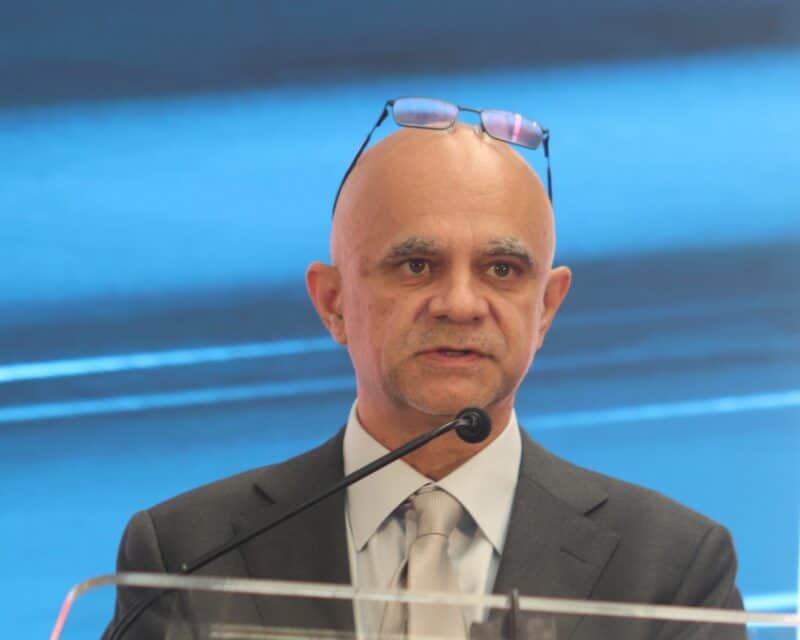
According to Prof. Dmitri Bessarabov, director at the HySA Infrastructure Center of Competence, this facility fills in the gaps between laboratory reearch, deplayoment, incubation and commercilisation of this technology.
“It’s time to go into the space of deployment. Today was a wonderful example of this. We have a lot of support from industry such as African Rainbow Minerals and SANEDI,” he added.
Prof. Jeffrey Mphahlele, Deputy Vice-Chancellor for Research and Innovation, Community Engagement and PG Studies at NWU emphasised the importance of collaboration for a sustainable future.
“Aligning research capability with policy direction and industry implementation, these collaborations create practical pathways for developing sustainable solutions in the energy and fuel sector. Advancements in hydrogen research and implementation provide an opportunity to accelerate clean energy development, strengthen energy security and unlock new economic opportunities,” he said.
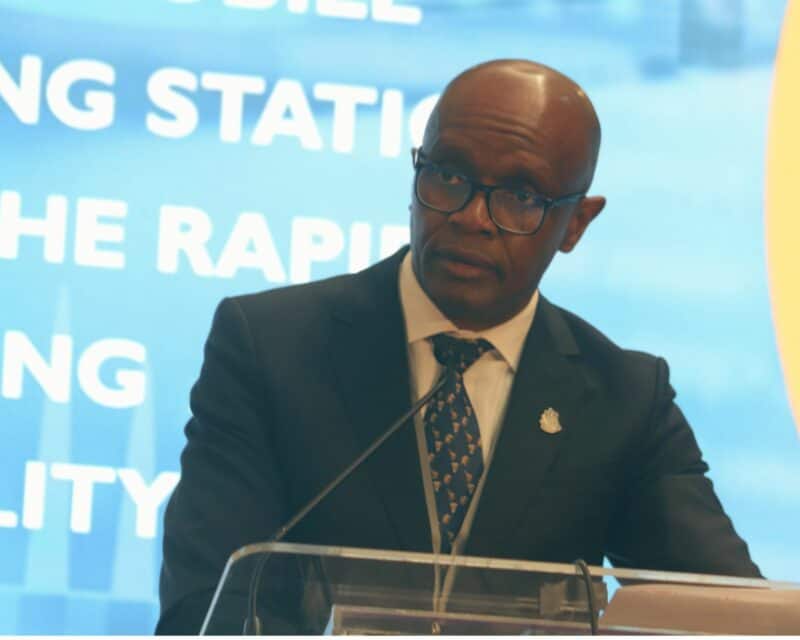
In his keynote address, the Director-General of the DSTI, Dr Mlungisi Cele, stated that the handover demonstrates the successful translation of publicly funded research into tangible infrastructure that supports industrial development, skills creation and environmental sustainability.
“These facilities reflect our commitment to positioning science, technology and innovation at the centre of South Africa’s industrialisation agenda. They show how strategic partnerships can deliver solutions that contribute to economic growth, energy security and the decarbonisation of the economy,” said Cele.
Numerous learners from local high schools also attended the event to learn more about this exciting technology and green energy development. This project aims to equip future generations with local job creation and is an exciting step into the future that many of these young minds could form a part of.