Potch Hospital calls on patients to provide correct financial information
Patients need to understand that by giving the correct information, they are contributing towards a better healthcare system.
Patients visiting Potchefstroom Provincial Hospital are being urged to provide honest and accurate information about their employment status and income, as the facility battles to generate much-needed revenue in an already underfunded public healthcare system.
Hospital management says many patients falsely claim to be unemployed to avoid paying the small fees applicable to certain income groups, placing additional pressure on an already strained healthcare system.
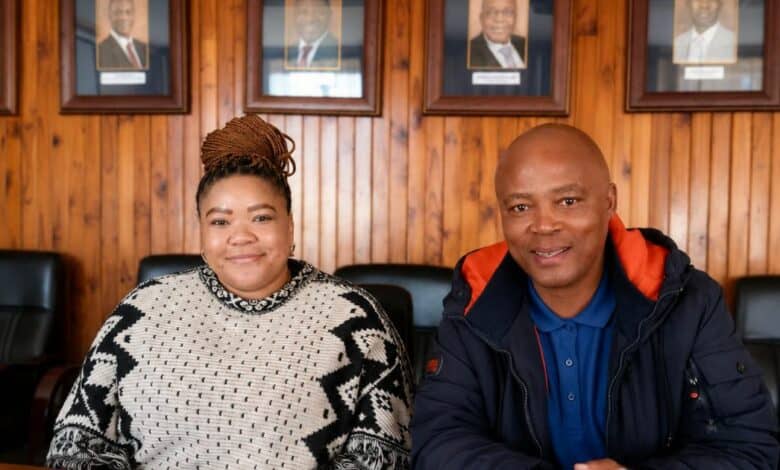
Kebitsamang Innocentia Mwaghore, Chief Accounting Clerk of Revenue at Potchefstroom Hospital, said many people are unaware that public healthcare fees are determined according to a patient’s financial circumstances and that the amounts charged are significantly lower than those at private healthcare facilities.
“Patients need to understand that by giving the correct information, they are contributing towards a better healthcare system. The consultation fees charged at state hospitals are only a fraction of what patients would pay at private hospitals for exactly the same services. Those fees help us maintain and improve the facility so that we can continue providing quality healthcare to everyone,” she said.
Patients are classified into different categories based on their income, employment status and, in some cases, their marital status.
Category H0 patients, which include children aged six years and younger, verified SASSA beneficiaries and certain disabled patients, receive treatment free of charge, provided they submit the required supporting documentation.
Children older than six years and unemployed patients fall into the H1 category and pay a minimal fee, while H2 patients, who earn a low income, also pay a subsidised amount. Higher-income earners, medical aid members, private patients, Work Injury and Occupational Disease (WIC/IOD) patients and others classified under H3 are required to pay the applicable fees.
Mwaghore encouraged patients to bring all the necessary documentation, including proof of unemployment where applicable, to ensure they are placed in the correct category.
She also warned that patients who falsely claim to be unemployed but later request a sick note for work may have their request refused.
“If you tell the doctor you are unemployed and later ask for a sick note for your employer, the doctor has every right to question that information. Patients who provide false information can also be contacted afterwards to pay the outstanding fees. Always ask for your receipt after making a payment,” she said.
Patients with medical aid are also encouraged to make use of the services available at the hospital.
“You can use your medical aid at the state hospital and still receive the same quality healthcare. In many cases, patients also receive medication after their consultation at no additional cost, while the same medication could cost a significant amount in the private sector,” Mwaghore explained.
Remoamogetse Mohutsioa, Acting Assistant Director of Corporate Services at Potchefstroom Hospital, said no patient would ever be denied emergency medical treatment because they cannot pay.
“This is not about denying people access to healthcare. Every patient will receive treatment. What we are asking is that people take responsibility by providing the correct information and the necessary documents. Revenue collected helps us maintain the hospital and continue providing essential services to the community,” he said.
Mohutsioa added that accurate patient information is also vital for patient safety.
“If something happens to you while you are in hospital, we need to be able to identify you correctly and contact your family or next of kin. Incorrect information wastes valuable state resources and makes it difficult to contact someone who can assist or collect you when you are discharged.”
He encouraged patients to regularly update their personal details with the hospital.
The hospital also appreciates patients who make payments towards their accounts, even if they are unable to settle the full amount immediately. Payment arrangements can be made where necessary.
The hospital currently offers Road Accident Fund (RAF) medical reports for a prescribed fee, which must be paid before the report is completed. Patients are responsible for submitting their own RAF claims.
Officials also revealed that the Department of Health is implementing the National Health Patient Registration System, a national database aimed at verifying patient information, improving record keeping and reducing abuse of the healthcare system, including patients visiting multiple facilities to obtain medication.
Non-governmental organisations (NGOs) are encouraged to apply for assessment to determine the benefits for which they qualify.
Patients who require SASSA forms to be completed can do so free of charge, but they must be accompanied by a next of kin.
Hospital management stressed that while revenue collection remains a national challenge across public healthcare facilities, the goal is not to place an unnecessary financial burden on patients, but rather to ensure the long-term sustainability of quality healthcare for everyone.