he Covid-19 pandemic has, among its many unequalled disruptive effects on all spheres of life, led to the closure of many sports clubs around the country. In some instances, it has even caused their ultimate financial demise.
The NWU-Junior Swimming Club is one of many sports entities that have been left high and dry by the regulations of the lockdown period. Not only were all the regional and national swimming galas – the highlight of the swimming season for any competitive swimmer – cancelled, but swimmers couldn’t start with their annual winter training programme at the heated pool of Potchefstroom High School for Girls.
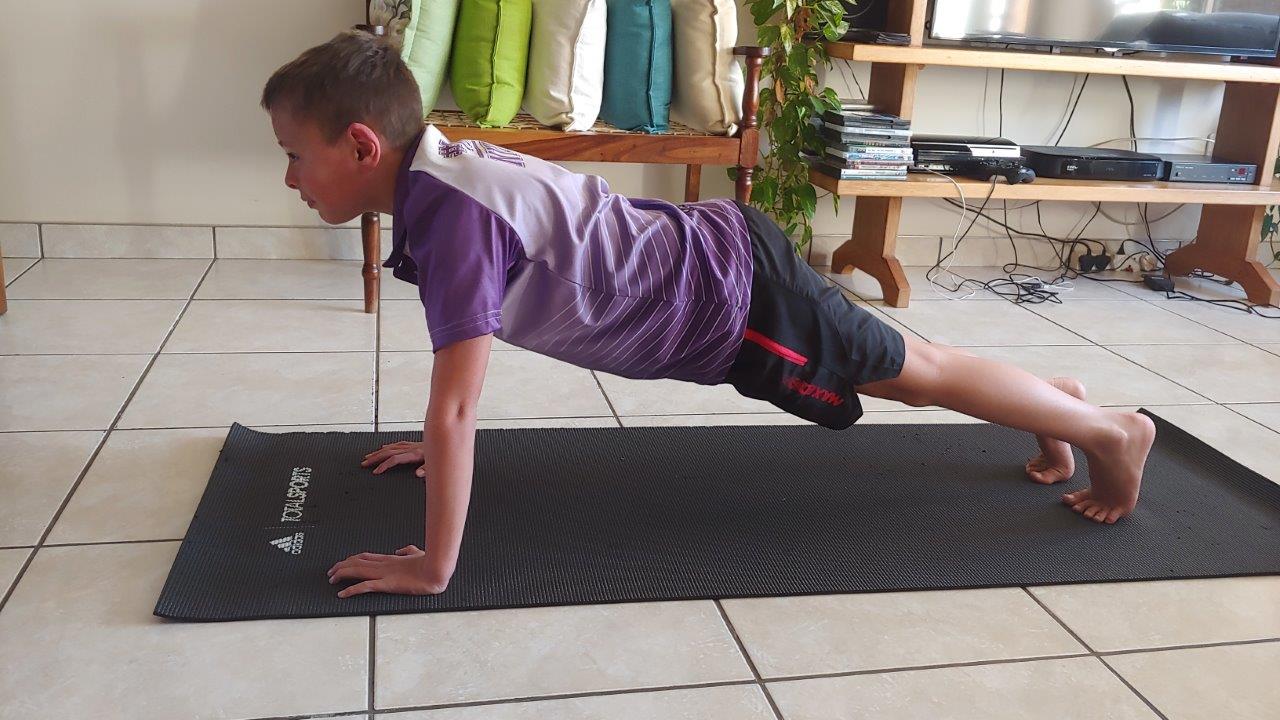
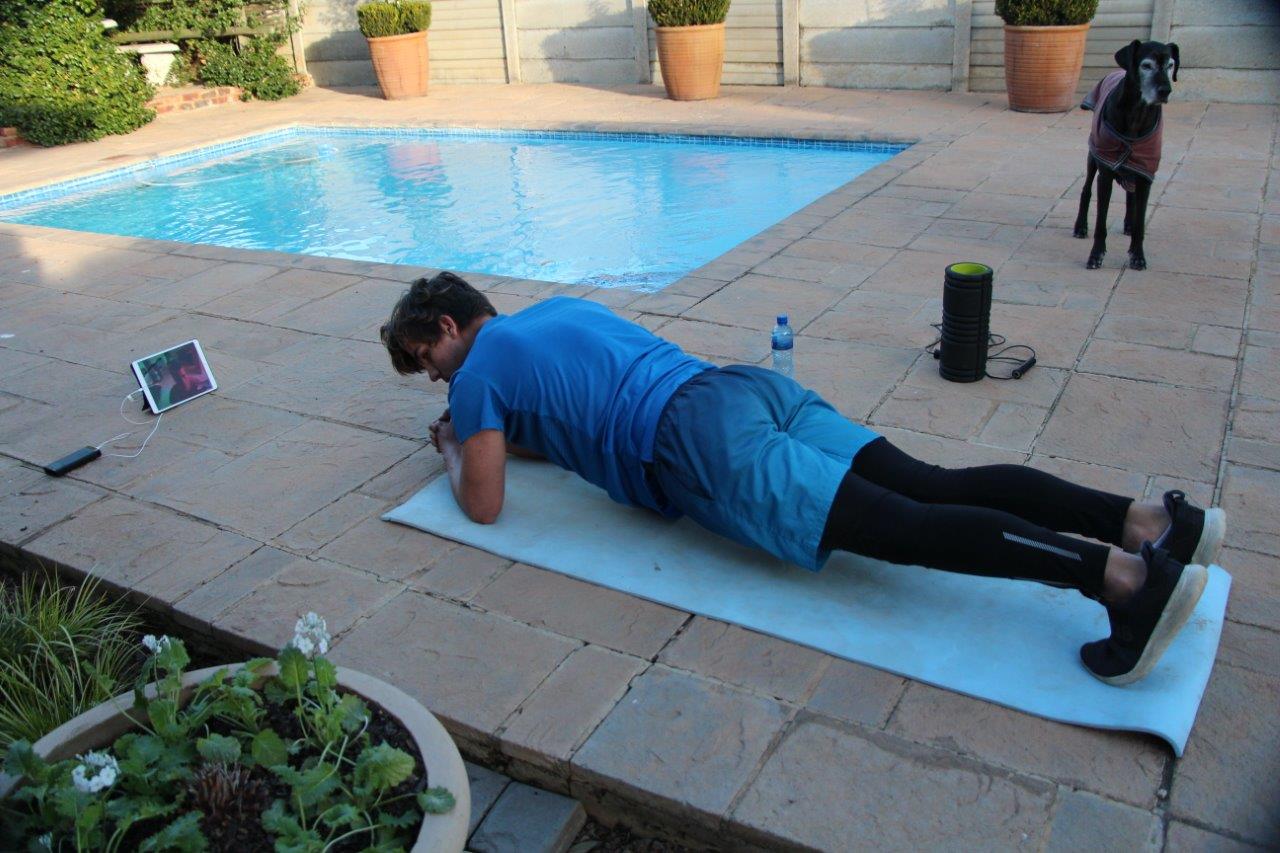
Swim coach, Mickey Olivier, decided to make the most of the undesirable circumstances, however. Olivier started with an extensive dryland training programme instead. The club members can access the content via one of the various online platforms.
Dryland training is usually a vital part of any swimmer’s training programme. It has been proven to improve their performance while decreasing or eliminating the occurrence of injuries during practice and competition. The lockdown period’s swim training thus included various stretches, flexibility routines, different cardiovascular conditioning and core- strengthening sessions. It also co- vered intensive stroke-specific training and technique improvement, alternated with regular fitness classes offered by Elite Fit Potchefstroom.
Besides the physical exercise component, swimmers could also interact with role models in the sport during various webinars and moti- vational workshops. These perso- nalities included the Olympic medalist, Tatjana Schoenmaker, and her parents, Chris McGlynn (SA Open Water Champion) and Kaylene Corbett (breaststroke Olympic qualifier).
There were also training sessions with Martin Binedell (SA backstroke swimmer at Commonwealth Games) and workshops with goal setting, visualisation and mental preparation for competitions.
Swimming South Africa is involved in non-stop negotiations with the government to open up swimming again, especially to its elite swimmers. One of the arguments in favour of swimming is that it is non-contact in nature and one of the safest ways to exercise. The club is still fully compliant with the current Disaster Management Act and regulations promulgated for Level 4 and Level 3. However,, it is also pro-actively preparing to resume its long-awaited swimming activities once the swimmers are allowed to return to the water safely and realise their dreams.