
Conference champions Afrocentric governance and transformation
The conference emphasised indigenous knowledge, multilingualism, and ethical leadership as essential drivers of transformation on the continent.
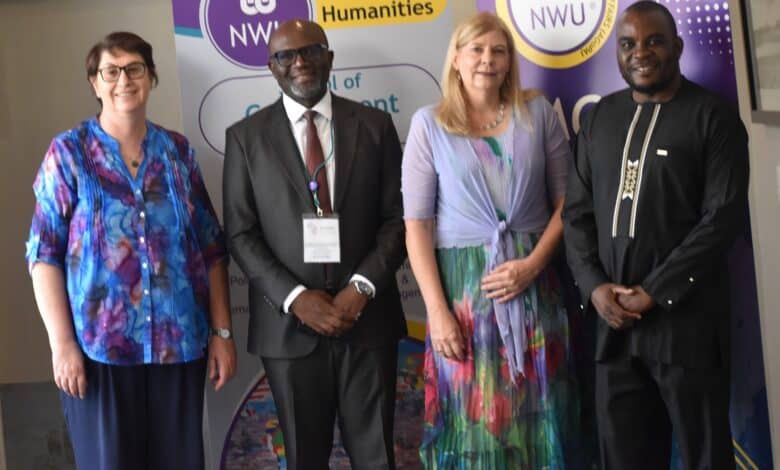
The Riverside Sun Hotel in Vanderbijlpark recently buzzed with intellectual energy as academics, students, policymakers, and thought leaders from across Africa gathered for the NWU Trio Conference on Afrocentric Governance, Multilingualism and Transformation.
Over three days, participants from South Africa, Uganda, Nigeria, Zimbabwe, Tanzania, Malawi, Lesotho, and beyond convened to reimagine the development of Africa through an Afrocentric lens – grounded in indigenous knowledge, African languages, and cultural values.
Opening the conference, Prof. Costa Hofisi, research director of Afrocentric Governance of Public Affairs, chairperson of the NWU Trio Conference, and the organiser of the event, stressed the urgency of rethinking governance on the continent.
“The development of Africa must be anchored in its own knowledge systems, languages and values. Afrocentric governance is not an alternative – it is essential if we are to achieve meaningful and lasting transformation.”
A highlight of the conference was the keynote address by Advocate Melanchton Makobe, acting director general at the Department of Planning, Monitoring and Evaluation, who emphasised the strengthening of state capacity to drive development and improve service delivery across African nations. He underscored the centrality of African languages to constitutional mandates and asked delegates whether sustainable development could truly emerge without the decolonisation of knowledge.
“Afrocentric governance must place African development at the centre. We need to bridge the gap between theory and practice, cultivating ethical leadership that universities embed into their curricula,” Makobe said.
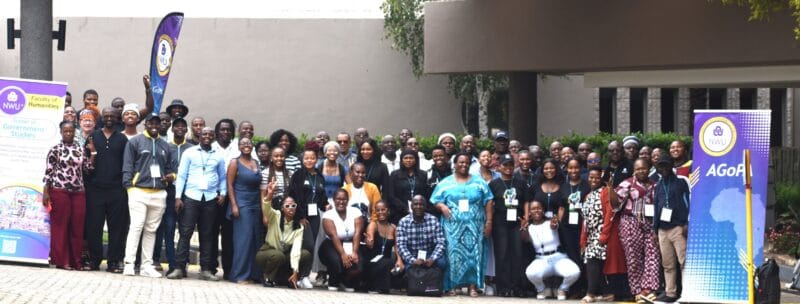
Panel discussions brought together experts from across the continent to address governance, policy, and social transformation. Students played an active role, participating in discussions, presentations, and workshops, while a dedicated session on scientific writing for emerging researchers highlighted the conference’s commitment to nurturing the next generation of thinkers in Africa.
Apart from the formal sessions, the conference fostered invaluable networking. Contributions from African institutions enriched the dialogue, reinforcing the importance of continental collaboration in addressing shared challenges. Discussions centred on Afrocentric governance, multilingualism and social justice, exploring how African philosophies like ubuntu can inspire inclusive, community-driven leadership while addressing structural inequalities rooted in colonial legacies.
Language was a central theme, with participants calling for the recognition and use of indigenous African languages in education, research and governance. Many emphasised that linguistic inclusion is essential for broadening access to knowledge and achieving sustainable transformation.
Reflecting on the conference, Prof. Hofisi expressed pride in the success of the event: “The energy, engagement and ideas generated over these three days show that the future of Africa is best shaped by Africans themselves – through our languages, our values and our knowledge systems. We work on a policy brief based on this conference, which we will submit to the policy research unit of the Presidency, since we are collaborating with them to establish a policy lab at the NWU. The policy lab will adopt a multi-stakeholder approach to confronting societal challenges in our quest to enhance societal impact at the NWU.”
As the conference concluded, delegates – including students – voiced a shared commitment to translating ideas into action. There was a strong call for governments, institutions and communities to embrace Afrocentric approaches as practical pathways for development in Africa.
Closing the conference, Prof. Linda du Plessis, vice-principal and senior deputy vice-chancellor for Teaching and Learning, reaffirmed the dedication of the university to advancing these ideals across its programmes and initiatives.