Shadows in the Silence: Where Gender-Based Violence and Disability Intersect
GBV is not only a violation in its own right but can also be a direct cause of disability.
SEDIBENG.- Gender-based violence (GBV) refers to any harmful act perpetrated against an individual based on socially constructed gender differences. It encompasses a wide range of abuses such as physical, sexual, psychological, and economic.
While often associated with overt acts of physical harm, GBV also operates in quieter, more insidious ways, eroding victims’ emotional and psychological well-being. Over time, this emotional toll can contribute to or result in physical disability. This underacknowledged link reveals the compounded and enduring impact of GBV, one that goes far beyond visible injuries.
GBV is not only a violation in its own right but can also be a direct cause of disability.
Emotional and psychological abuse, for example, can result in chronic trauma. Survivors may develop severe anxiety, depression, or post-traumatic stress disorder, conditions that manifest physically in the form of chronic pain, migraines, gastrointestinal issues, or cardiovascular problems. Consider a person whose persistent exposure to abuse leads to debilitating health complications. Or another whose depression impairs their ability to maintain physical health, resulting in secondary conditions such as obesity or hypertension.
These scenarios illustrate how the psychological consequences of GBV can evolve into long-term physical impairments.
The intersection of GBV and disability creates a particularly vulnerable and often invisible population. Within disabled communities, systemic power imbalances and societal stigma make it easier for abuse to be hidden or ignored. For gender-nonconforming disabled individuals, this invisibility is compounded.
Living at the crossroads of ableism and gender-based discrimination, they often face unique barriers to accessing justice and support. Fears of disbelief, stigmatization, or losing vital care services can prevent them from disclosing abuse. Perpetrators may exploit these fears and the isolation that often accompanies disability to maintain control, further silencing victims.
Addressing GBV requires a nuanced understanding of its root causes.
A critical, yet frequently overlooked factor is the absence of early education in healthy emotional expression and conflict resolution. When children are not taught how to manage disagreements constructively or how to respect boundaries, they are more likely to adopt aggression and control as adult coping mechanisms.
While public policy and awareness campaigns play an essential role in prevention, the foundation must be laid within families. It is within homes that young people first learn how to communicate, empathize, and resolve conflict without resorting to violence. Thus, although robust governmental responses are indispensable, through legal frameworks, resource provision, and public education, true change begins in everyday family interactions.
It is in these formative spaces that values of respect, equity, and non-violence must take root.
In conclusion, it is imperative to center the voices of disabled individuals affected by GBV particularly disabled women and gender-nonconforming disabled persons, who face layered marginalization. Empowering them to speak out without fear of retaliation or disbelief is essential. Breaking the silence around GBV in disabled communities demands a collective effort from families, communities, institutions, and governments alike.
Only by recognising these overlapping vulnerabilities and ensuring inclusive, accessible responses can we build a society where all people regardless of gender identity or ability can live free from violence and fear.
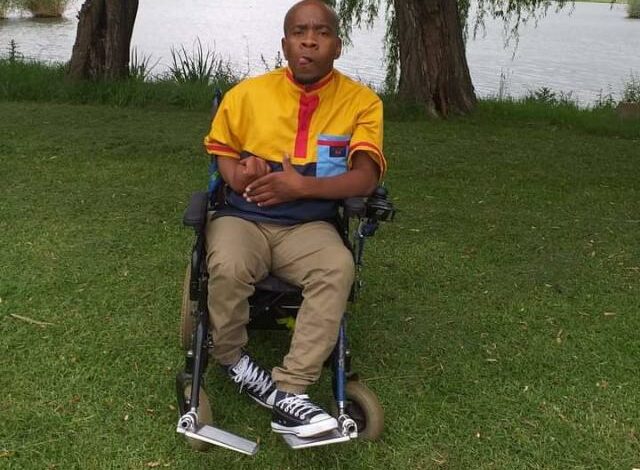
Lucky Tumahole – Disability Advocate