
Department of Health calls for calm on the Hantavirus
The Department of Health is calling on South Africans to remain calm as the Hantavirus is not a threat to South Africans yet.
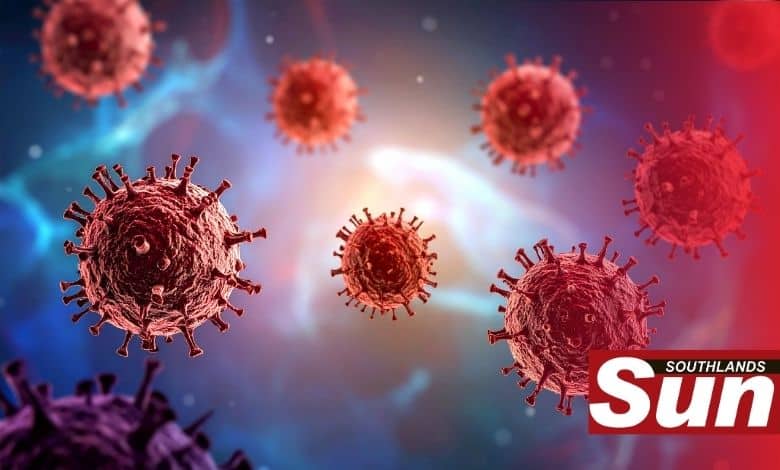
THE Department of Health is calling on South Africans to remain calm following reports of the new Hantavirus circulating.
Particular concerns come after a British national was confirmed with a case of the rare virus. He is receiving medical attention at a Sandton hospital.
The patient was flown to South Africa for medical care from a cruise ship, MV Hondius, journeying from Argentina to the Canary Islands.
Also read: Nipah Virus not a worry for South Africans
Infected people
The patient had been aboard the MV Hondius, carrying 150 passengers. Reports indicated the passenger fell gravely ill as the vessel neared Ascension Island.
Although he received medical attention there, his condition deteriorated. This necessitated his evacuation to a private medical facility in Sandton for specialised treatment.
“His laboratory test results came back positive for Hantavirus, a rare but potentially deadly virus transmitted primarily by rodents. The patient is still in critical condition in isolation but receiving medical attention,” said the department in a statement.
The department additionally verified that two other passengers encountered medical emergencies during the same voyage.
The male passenger, 70, died shortly after reaching St Helena Island after falling ill. His 69-year-old wife collapsed at OR Tambo International Airport on her way to the Netherlands and subsequently died at a medical facility in Kempton Park.
Also read: The Impact Of COVID-19 On Education
Minister’s response
Minister of Health Aaron Motsoaledi said that extensive contact tracing efforts were ongoing. Authorities had already pinpointed 62 individuals who might have had contact with the affected passengers.
“Forty-two of these have already been located and are currently under observation. This work continues,” said Motsoaledi.
Essential information regarding Hantavirus
What is Hantavirus?
Hantaviruses is a rare group of zoonotic viruses carried by rodents that can cause severe, often fatal, diseases in humans. Hantaviruses present in North; Central and South America are known to cause hantavirus cardiopulmonary syndrome (HCPS). The Andes virus, identified on the cruise ship, is an extremely rare strain that documents human-to-human transmission.
Transmission
- Contact with infected rodent urine, droppings or saliva represents the primary mode of hantavirus transmission.
- Individuals can also contract the virus through inhaling contaminated airborne particles.
- Engaging in activities like cleaning enclosed areas, farming, forestry work, or being present in rodent-infested environments elevates the likelihood of infection.
Symptoms
Symptoms typically manifest between one and eight weeks following exposure. These may encompass:
- A raised body temperature
- Headaches
- Muscle pains
- Abdominal discomfort
- Nausea, potentially accompanied by vomiting
- Diarrhoea
More severe presentations may involve:
- Persistent cough
- Shortness of breath
- Excess fluid collecting in the lungs
- Circulatory shock
Diagnosis
Establishing an early diagnosis can prove challenging. This is due to the symptomatic overlap with other conditions, such as influenza, Covid-19 and pneumonia.
Also read: SPCA creates awareness of deadly rabies virus
Treatment
Presently there are no specific antiviral treatments or vaccines for the hantavirus infection. Prompt admission to intensive care can significantly enhance survival outcomes.
Preventive strategies
Preventing hantavirus infection depends primarily on reducing contacts between people and rodents.
- Keeping homes and workplaces clean
- Sealing openings that allow rodents to enter buildings
- Storing food securely
- Using safe cleaning practices in areas contaminated by rodents
- Avoiding dry sweeping or vacuuming rodent droppings
- Dampening of contaminated areas before cleaning
- Strengthening hand hygiene practices.
The department of health emphasised that early case identification, isolation of infected individuals and the monitoring of close contacts continue to be crucial strategies for mitigating further viral dissemination.
Information from the National Institute for Communicable Diseases and World Health Organisation.
For more Southlands Sun news, follow us on Facebook, Twitter and Instagram. You can also check out our videos on our YouTube channel or follow us on TikTok.
Subscribe to our free weekly newsletter and get news delivered straight to your inbox.