
Crow’s African wildcat finds new home in the wild
The African wildcat Zazu, which was rescued and rehabilitated at Crow, has finally been released after nearly a year of care.
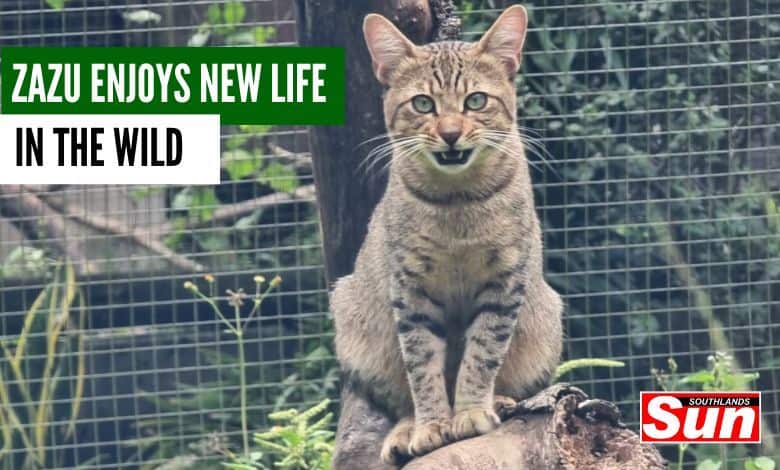
A RARE African wildcat, Zazu, has been set free back into the wild after nearly a year of intensive rehabilitation at the Centre for Rehabilitation of Wildlife (Crow).
Also read: African wildcat finds new life at Crow
Zazu’s tale started in mid-June 2024, when he was given to a car guard by an anonymous person. Recognising that the cat was not an average domestic house cat, a local feral cat feeding programme member, who was concerned, intervened and took the animal to Crow so it could be assessed professionally.
Sue-Ann Shutte, an animal welfare assistant, said when Zazu came in he was feisty and made a strange cry.
“We suspected that he was not a pet cat right away. They took a blood sample and sent it out to the lab, and the DNA test confirmed our suspicion — this was an authentic African wildcat,” said Shutte.
Believed to have been brought up in a domestic setup, Zazu’s rehabilitation included reawakening his wild instincts. Human contact was kept at a bare minimum to allow him to adjust easily back into the wild.
Also read: Crow urges motorists to do engine checks for wildlife safety
“We focused on stimulating his natural behaviour, hunting in this case. Chances to stalk and hunt were provided for him, which helped develop the skills he would need to survive in the wild,” added Shutte.
Zazu was released in a remote area near the Zingela Reserve, chosen based on its sufficient environment and potential presence of other African wildcats.
Shutte said that Zazu’s release emphasised the importance of their work. “There are very few true surviving African wildcats, so being able to release him back into his natural habitat gives this species a chance at long term survival and find other true wildcats to breed with,” said Shutte.
Differences in wildcats:
- Home cats are domesticated household pets that are kept inside and eat human-supplied food.
- Feral cats who have gone feral and need to hunt for survival.
- African wildcats, like Zazu, are a separate species on their own, living in the wild independently and feeding on prey such as rodents, birds and small mammals only.
African wildcats (scientifically known as Felis lybica) are often mistaken for household cats since they have sandy, rusty-red or grey tabby coats. However, they can be distinguished by their slenderer build, longer legs, black paw pads, ringed tails and ears topped with rusty-red tufts of pale-yellow hair.
For more Southlands Sun news, follow us on Facebook, Twitter and Instagram. You can also check out our videos on our YouTube channel or follow us on TikTok.
Subscribe to our free weekly newsletter and get news delivered straight to your inbox.