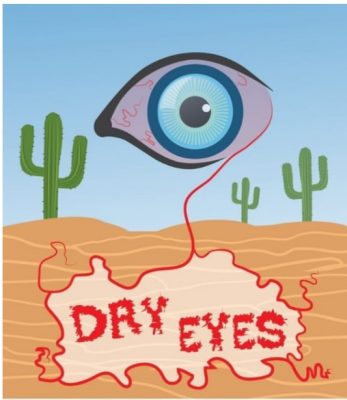

Are you one of the many people in the Vaal Triangle suffering from dry eye disorder – maybe without even realizing it?
Ms Carolee Hopkins of Magic Vision Optometrists sheds some light on this problem:
What is dry eye disorder?
“Dry eye” occurs when the eye does not produce tears properly, or when the tears are not of the correct consistency and evaporate too quickly.
Aqueous tear-deficient dry eye is a disorder in which the lacrimal glands fail to produce enough of the watery component of tears to maintain a healthy eye surface.
What are the types of dry eye?
1. Aqueous tear-deficient dry eye is a disorder in which the lacrimal glands fail to produce enough of the watery component of tears to maintain a healthy eye surface.
2. Evaporative dry eye may result from inflammation of the Meibomian glands, also located in the eyelids. These glands make the lipid or oily part of tears that slows evaporation and keeps the tears stable.
Dry eye symptoms:
Stinging or burning of the eye.
Sandy or gritty feeling.
Episodes of excessive tears followed by very dry periods.
Blurred vision.
Decreased tolerance of reading, working on computer, or any activity with sustained visual attention.
Heavy eyelids.
Causes of dry eye:
Dry eye can be a side effect of some medications, including antihistamines, nasal decongestants, tranquilizers, certain blood pressure medicines.
Parkinson’s medications, birth control pills and anti-depressants.
Dry eye can occur in women who are pregnant.
Dry eye can also develop after the retractive surgery known as LASIK. These symptoms generally last three to six months. But may last longer in some cases.
Both excessive and insufficient dosages of vitamins can contribute to dry eye.
Allergies can be associated with dry eye.
Treatment of the dry eye:
Meibomian gland dysfunction (MGD) is thought to be the leading cause of dry eye disease.
 07642296020764118090