
Driving in rainy conditions
Follow these tips on the best way to handle the roads in wet conditions
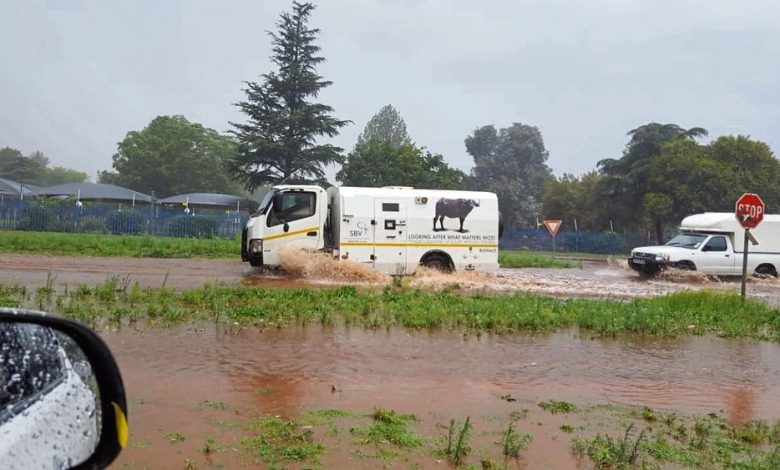
The Vaal Triangle has already experienced its first rains of the season but hopefully we’ll get lots more in coming months. The first rainfall of the season usually present extra challenges for vehicle drivers as grease and rubber from tyres collects on the road during the dry winter months. The rain is likely to wash this away, creating even more slippery roads than normal.

The CEO of MasterDrive, Eugene Herbert, says skidding on wet roads can be a frightening experience that often needs a specific reaction from drivers. “The most important part is to gradually reduce your speed. Don’t brake harshly and suddenly. Keep both hands on the steering wheel. Also, look where you want to be. While this may seem counterintuitive, our instinct is to steer in the direction that we are looking. Thus, if there is tree in front of you, don’t look at the tree, rather look at where you want to be on the road,” advises Herbert.
Follow these additional tips on the best way to handle the roads in wet conditions:
- Check your wiper blades to ensure that they have not perished over winter.
- Give yourself more travel time so you do not have to rush in bad weather.
- Adjust your speed to suit the conditions, however, do not slow down unnecessarily as this is just as dangerous.
- Do not use cruise control.
- Turn on your headlights.
- Brake earlier and with more caution.
- Avoid water which has pooled on the roads.
- If you cannot avoid this, drive through it slowly in case there is hidden debris or potholes.
- Leave more following distance.
- Driving recklessly and speeding increases chances of hydroplaning.
- If you hydroplane, slowly lift your foot from the accelerator but do not brake harshly or move your steering wheel violently.
- Consider going for driver training on a skip pan to learn how to react if you do lose control during rainy weather.

As many provinces face the first rains of the season, keep these tips in mind to make it to your destination safely. “Always know how to respond to each driving challenge to emerge from it safely,” says Herbert.
******************************************************************************************