
How to cope with ‘listening fatigue’
Untreated hearing loss can put you at risk for developing dementia, Alzheimer’s disease, depression, social isolation and anxiety.

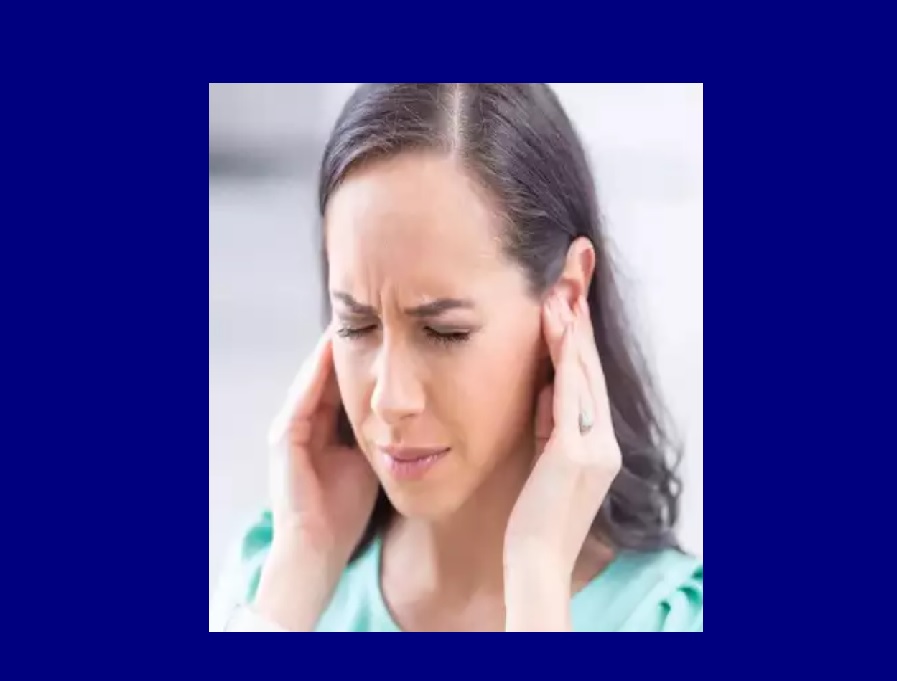
If you ever feel exhausted after listening to someone speak for a long time, you perhaps should not blame the speaker for being boring, because in reality you might be suffering from listening fatigue.
While experiencing listening fatigue is quite normal when listening to sounds for extended periods of time, it is your brain’s way of warning you to take a break.
But for people with hearing loss, the extra challenge of struggling to hear means the fatigue sets in earlier than for people with normal hearing. In fact, increasing episodes of listening fatigue could be a symptom of early hearing loss. If you experience Tinnitus (a ringing noise in the ears) and Hyperacusis (hyper sensitivity to sound) you are even more at risk to experience listening fatigue.
The brain plays an important role in listening, understanding and speaking. When hearing loss is present, the brain must work harder to make sense of the information received, which can be mentally exhausting.
Here’s how it works: There are hair cells in the inner ear which are responsible for translating a specific frequency. When these hair cells die or are damaged, the auditory system loses the ability to translate that frequency, causing the brain to work harder to process incoming information.
Even for people with normal hearing, intense listening can be exhausting. Think of the following intense listening situations people face in modern-day life: Meetings, training, Zoom calls, phone calls, music, industrial noise, communicating with clients, etc. Here are a few guidelines for coping with listening fatigue throughout the day:
- Wear hearing aids. It helps to “fill in the blanks”, thus reducing excessive concentration which causes listening fatigue.
- Take routine breaks from noise and cut out background noise. If possible, consider taking a walk outside and exposing your ears to natural sound. Read instead of watching television.
People with hearing loss often have trouble distinguishing speech from background noise. The less background noise your ears and brain have to process, the less tiring it will be to follow conversation and the more energy you will have.
- Practice deep breathing. When you find yourself feeling overwhelmed, spend a few minutes doing deep breathing exercises. The activity will help clear your mind while reducing stress and blood pressure.
- Take a power nap. A 20-30 minute nap can improve your alertness and performance without interfering with your night-time sleep.
Besides the energy boost a nap can provide, you will get the added bonus of quiet time awaking with a refreshed mind. Fight fatigue through better hearing:
Depending on the degree of hearing loss, hearing aids can improve listening and speech understanding and effectively decrease listening fatigue.
Untreated hearing loss can put you at risk for developing dementia, Alzheimer’s disease, depression, social isolation and anxiety.
If you aren’t hearing as well as before and experiencing listening fatigue, it’s time to have your hearing evaluated by a hearing healthcare professional. Modern hearing aids can help you hear and communicate effectively, and they just might help you approach life with more energy.
Contact JJC Kruger Hearing Centre for more information, or to have your hearing tested. Three Rivers – (016) 423 3553; Vanderbijlpark – (016) 981 0328. Visit the website at www.jjckrugerhearing.co.za or follow them on Facebook.

******************************************************************