
A winning combination for green building
Glass and Aluminium have proven to be among the best materials when constructing eco-friendly homes. How are they implemented?
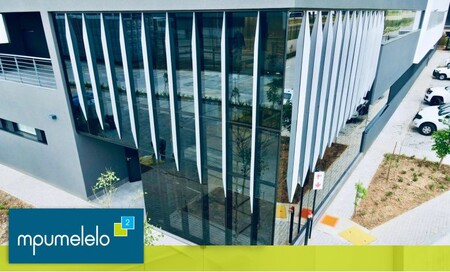
Green housing, or the practise of constructing eco-friendly homes, is a growing design trend in South Africa and around the world.
Green building is being considered by many in the design and construction industries, and by their clients, as a means to lessen the industry’s negative impact on the natural world.
This article examines the factors that have an effect on environmentally friendly homes and the part that glass and aluminium plays in this field.
How glass and aluminium contribute to green building
Glass and aluminum are green building materials with many of the same advantages as other eco-friendly options.
There are various applications for aluminium in the construction industry. Read more, glass and aluminium contractors.
Lighter in weight by up to 65% compared to steel, aluminium is a useful structural material thanks to its high strength-to-weight ratio.
Aluminium’s resistance to corrosion is thanks to the oxide layer it forms naturally. This quality, which contributes to a product’s durability, can be further enhanced through the application of various surface treatments.
Glass and aluminum may be shaped into almost any design without affecting its strength or function because of their malleability.
Furthermore, aluminium is a great thermal and visual reflector. This, coupled with the metal’s moderate weight, makes it an excellent energy-saving material for reflecting sunlight.
Consistent quality is maintained when recycling glass and aluminium. Aluminum recycling can reduce primary aluminium manufacturing energy needs by as much as 92%.
Why green housing matters today
The term “green housing” describes the practise of constructing environmentally friendly houses and buildings.
In order to ensure resource efficiency throughout the building’s life-cycle, these residences are built utilising eco-friendly materials and methods. All phases of an eco-life house’s cycle, from planning to demolition, are factored into this method.
The primary goal of eco-friendly home plans is to lessen the household’s reliance on electrical power, but these plans also address other issues related to finances, practicality, durability, and comfort.
The realisation that human activity has a major effect on the natural environment and is responsible for the depletion of many natural resources gave rise to this design movement.
Green homes are constructed using eco-friendly materials, such as those that can be recycled or reused and those that are sourced locally, responsibly, and ethically. Materials like aluminium, wood, and glass are just a few examples.
This method of construction utilises renewable energy sources and energy-saving materials and technologies to lessen the burden on the homeowner’s wallet.
Many eco-friendly home designers also take into account the orientation of the sun, the amount of available natural light in the area, and other aspects of the built structure’s surroundings when conceptualising a home’s layout. If you want your home to last for decades, it needs to be well-insulated and resistant to harsh climates.
Final thoughts
Glass and aluminium are a key component in the development of sustainable housing.
This strong yet lightweight metal will help cut down on the harm done to the environment by the construction industry, and it can count towards a number of green building certifications.