
De Lille's party may take contentious case back to court.
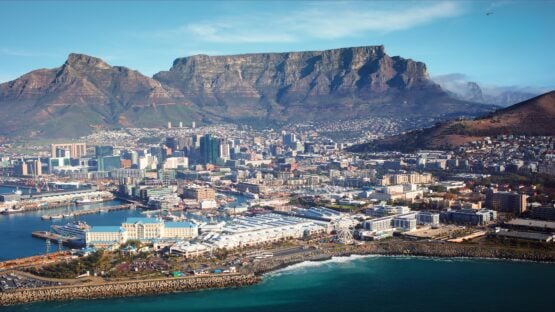
The city, under mayor Geordin Hill-Lewis, faces the ‘obvious risk’ of owing its ratepayers ‘substantially more’ if it unsuccessfully appeals the latest judgment. Picture: Supplied


City of Cape Town residents are increasingly asking the DA-governed metro to pay back the money collected through unlawful charges since 1 July last year.
This follows the Cape High Court declaring the city-wide cleaning levy and fixed water and sanitation charges instituted in the budget for the current financial year unlawful and set aside.
This order was, however, suspended until 30 June, which means the current year’s budget remains unaffected.
The order applies to the 2026/27 budget, which is currently being finalised and contains similarly structured charges, and future budgets.
Asked on Monday (4 May), five days after the ruling was made, whether the city is going to seek leave to appeal – which would suspend the order pending the final decision – or redraft its budget and embark on a new round of public participation, the city could not provide any clarity.
The budget must be finalised in time for implementation on 1 July.
“The city is still analysing the judgment and possible ways to protect the infrastructure budget. Once that step is concluded, the city will announce the way forward,” it told Moneyweb.
‘Unfair’
Commenting on the Facebook page of the Stop City of Cape Town (CoCT) activist group, Glynis Mitchell said: “Seems unfair. Surely if it’s been deemed illegal/unlawful then rate payers should be refunded the funds unlawfully deducted?”
Cleeve Robertson exclaimed: “That’s just wrong! They should pay back the money!”
Schalk Visagie added: “I must agree, I believe that there should be a refund or credit of some sort. However the court probably ruled on what they were asked. If there is an argument for refund[s] that might be a new request … to the court that I believe the taxpayer could win.”
Issues remain ‘unresolved’
The applications to have the charges set aside were initially brought by the South African Property Owners Association (Sapoa) and AfriForum.
The Good Party then intervened, and the Cape Town Collective Ratepayers’ Association (CTCRA) and South Africa First Forum joined the action as friends of the court.
The Good Party – founded and led by Minister of Tourism Patricia de Lille, who is a former mayor of the city – has now announced that it considering taking legal action.
It says it is “procuring legal advice on the appropriate next steps to force the City of Cape Town to comply with last week’s Western Cape High Court finding that its fixed tariff regime is unlawful – and return over-charges to residents”.
The party says while the court was clear on the unlawfulness of the city’s fixed cleaning, water and sanitation tariffs, setting them aside prospectively from 30 June 2026, “the consequence remains unresolved”.
“A very significant amount of money was collected from residents under the unlawful regime over the past year,” it adds.
The party points to City of Cape Town Mayor Geordin Hill-Lewis’s initial response to the ruling, when he suggested that the city is considering an appeal, and says: “Good is therefore examining legal options, including a cross-appeal, a further application for just and equitable relief, or both.”
It adds: “The obvious risk of appealing and continuing to apply the unlawful fixed charges into the next financial year, and possibly beyond, is that if the judgment is confirmed on appeal, the amount the city will owe the people of Cape Town will be substantially more.”
At least ‘adjust the draft budget’
Bas Zuidberg, chair of the CTCRA, a formation of more than 50 individual ratepayers’ associations, says while refunds will be welcome, the organisation is aware of the practical limitations to such a process.
It will be complicated and difficult, he says.
“We are focusing on getting the city to adjust the draft budget,” he says, adding that the judgment has basically rendered it “ready for the waste basket”.
Zuidberg expressed his surprise that the city seemed unprepared for an adverse finding and called on it to refrain from wasting more time and money on an appeal and to come out with a new budget.
This article was republished from Moneyweb. Read the original here.