


The City of Cape Town said that setting aside its tariff model could negatively affect infrastructure and poor communities.
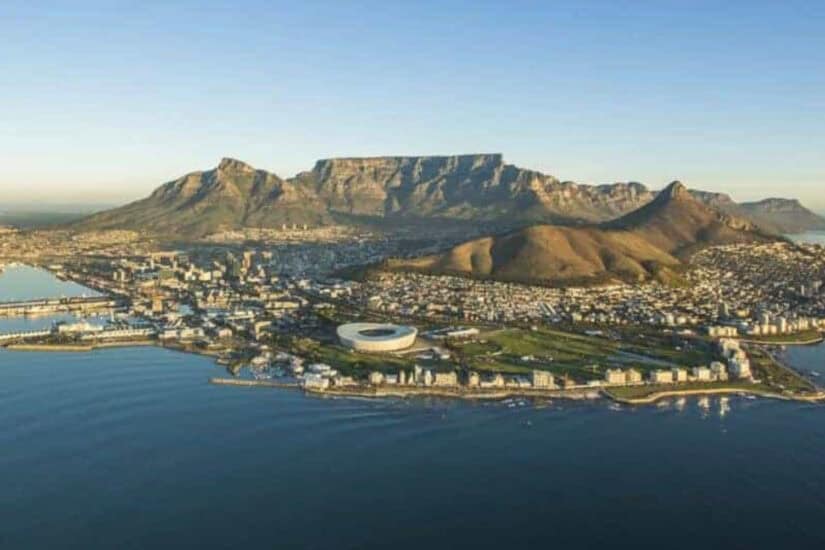
Picture: iStock


The City of Cape Town has maintained that the tariff model recently set aside by the High Court was the fairest way to fund service delivery.
The court confirmed on Thursday that the municipality’s property-value-based water tariff structure was unlawful and invalid.
While the tariff structure was set aside on 30 June 2026, residents have called for the city to refund the rates collected since the plan was implemented last July.
The order relates to the budget for the coming financial year, forcing the city to rework its medium-term budgets.
The municipality stated that it was analysing the court’s ruling and warned that it would have a negative impact on the poor.
Costs of service delivery
The tariffs in question forced residents to pay water charges linked to their property values rather than to actual usage.
AfriForum and the South African Property Owners Association (Sapoa) brought the initial application before the court, with the former celebrating the ruling.
“Municipalities across the country will now have to re-evaluate their tariff structures based on the clear standard that the court has now set, namely, that tariffs linked to consumption are not optional but a legal requirement,” stated AfriForum Manager of Local Government Affairs, Morne Mostert.
The ruling also sets aside municipal cleaning and sewerage charges, which the Cape Town municipality said were earmarked for infrastructure.
“The city is also modelling the budget impact of the ruling, especially the potential negative implications for lower- and middle-income households, which the budget sought to protect.
“Revenue has gone directly towards funding basic infrastructure and service delivery for all, not enrichment as falsely claimed.
“The costs of service delivery and infrastructure do not change or fall away as a result of this ruling,” the city stated.
Refunds incoming?
While residents have used social media to call for a refund, Sapoa cited logistical challenges in calculating such a widespread refund.
The body also stressed that a refund was not an objective considered in the initial application.
“Sapoa did not ask the court to order a refund of any of the impugned charges paid by residents. None of the other parties to the litigation asked for such relief either,” said CEO Neil Gopal.
AfriForum reiterated that the ruling was one that championed fairness, with Regional Head Jurie Ferreira maintaining that usage and property value should be detached.
“Any attempt by municipalities to generate revenue through arbitrary or indirect measures falls squarely outside the framework of the law, and the court has now reaffirmed this position,” Ferreira explains.
While the City of Cape Town’s problems will not have to be backdated, it remained adamant that the set-aside funding model was appropriate.
“Cross-subsidising – where the better off among us help to fund service delivery for the less fortunate – remains the most equitable and sustainable way to ensure a working city of hope for all.
“The city will keep striving to protect lower- and middle-income households, as well as the crucial basic infrastructure investments necessary for Cape Town to remain a functional and successful city,” the municipality concluded.



