


For the farmers of Makouspan, 3 800 hectares of farmable land need not stand idle.


Working together with North-West University (NWU), the community is looking at how that land can become a working farming project – one that could grow food, create work and give young people a reason to stay.
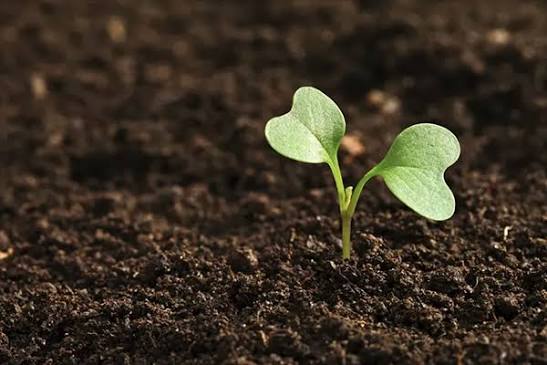
The soil taken from Block A in Makouspan raises a simple question: what will it take to turn land that is barely being used into real opportunity for the people living right next to it?
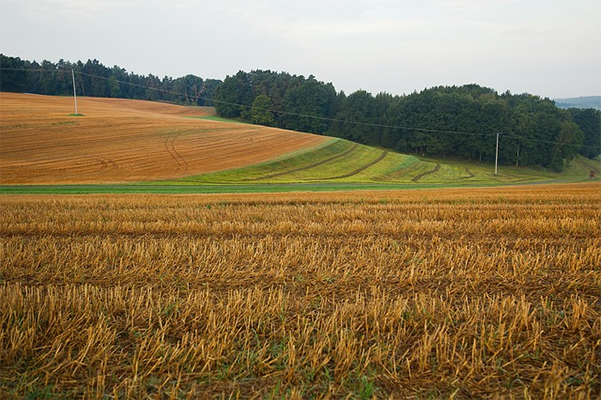
For this community near Mahikeng, the answer mattered. Makouspan has about 3 800 hectares of farmable land, yet for years residents still went hungry and young people could not find work. The farmers could see what the land was capable of. What they did not have was reliable information, proper support and a partner willing to stay for the long haul.
That is what the partnership between the community and North-West University (NWU) is meant to give them.
Agricultural scientists from the NWU’s School of Geo and Spatial Sciences met local farmers, traditional leaders and government officials. They shared what the university knew, but they also listened. Farmers explained what they hoped for and what worried them, and together they worked out a plan for the land.
Chief Mutloane put the problem plainly: the community had plenty of land, yet hunger and youth unemployment would not go away. As an animal health technician, he knew farming had to become a business, not only a way of feeding a household. He wanted farming enterprises owned by local people – and, in time, the community’s own abattoir.
So the farmers of Makouspan are at the centre of the project, with NWU providing the science behind their decisions. If the work goes as planned, the benefits should reach far beyond a single planting season. The hope is that the land will produce steadily, that food will become easier to come by, that small local businesses will grow around the farming, and that young people will start to see farming as a career worth choosing.
It could also show what rural development looks like when it is done properly: a community that is not simply handed help, but helps build the plan itself, putting what it knows about its own land alongside scientific evidence and institutional support.
For NWU, the project shows how university knowledge can move beyond laboratories and lecture halls. Excellence creates impact when knowledge becomes useful in the places where people are working to build their own futures.
The promise of Makouspan does not lie in scientific analysis alone. It lies in the relationships being built around them, and in a shared willingness to turn evidence into action. For the farmers of Makouspan, that is where the real work begins.
Content supplied by our select Partners and paid for content ad advertisement.


