The Competition Commission accuses Premier Foods of violating the conditions on which the merger of RFG was approved.
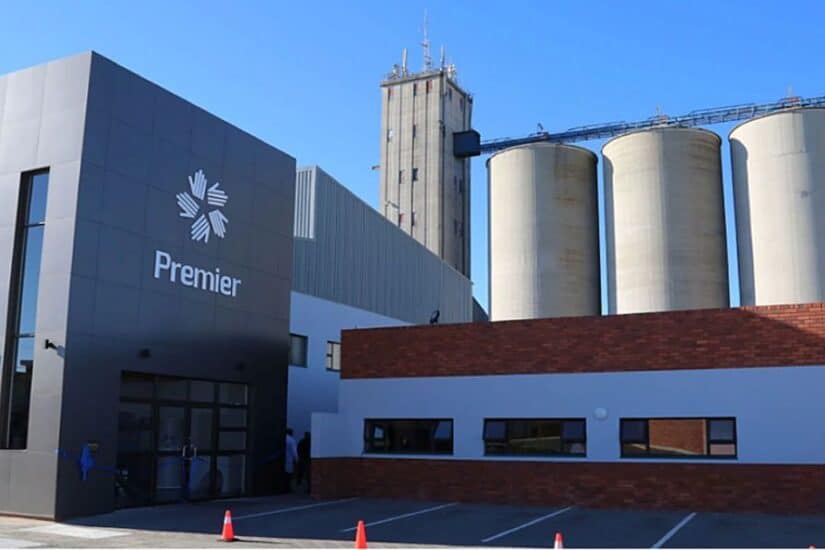
Premier Foods offices. Picture: Premier Foods website


Premier Foods has denied the Competition Commission’s claims that it contemplated closing the Fruits Products Western Cape (FPWC) plant during the Rhodes Food Group (RFG) merger process.
This follows the Commission’s application to the Competition Tribunal on Tuesday, 06 October 2026, to revoke the tribunal’s approval of the Premier Foods and RFG merger. The merger was approved earlier in 2026 with conditions, including that no retrenchments or factory closures will happen for a certain period.
The Competition Commission investigates suspected anti-competitive conduct, while the Competition Tribunal adjudicates cases brought before it and decides whether competition law has been breached and what penalties or remedies should apply.
Labour union fights Premier Foods for factory closure
The investigation into whether Premier Foods violated the tribunal’s conditions was triggered by a complaint from labour unions after the company announced it would shut down the FPWC plant in Tulbagh. Premier Foods announced this decision four months after the merger was completed.
Premier Foods now owns 52 brands, with 44 manufacturing plants employing over 15 000 people, and RFG integrated entirely as the new Premier Culinary division.
RFG owned the FPWC plant, and it is understood to be one of only two fruit-canning plants in South Africa. Closing the FPWC plant would leave Langeberg Foods as the only cannery, effectively creating a monopoly in the country.
Premier Foods said it is closing the processing plant because of declining global demand, pricing pressure and rising input costs. The company also cited the United States’ tariffs imposed last year as a contributing factor.
No retrenchments for three years
The tribunal’s condition was that the company should not retrench employees during the first three years of the merger. Any retrenchments made during the period will be presumed to be because of the merger, unless proven otherwise.
However, the tribunal’s approval also added that voluntary severance agreements are not retrenchments.
“For the sake of clarity, merger-specific retrenchments do not include: (i) voluntary retrenchments and/or voluntary separation arrangements; (ii) voluntary early retirement packages; (ii) unreasonable refusals to be redeployed in accordance with the provisions of the Labour Relations Act; (iv) resignations or retirements in the ordinary course of business;
“(v) retrenchments lawfully effected for operational requirements unrelated to the merger; (vi) terminations in the ordinary course of business, including, but not limited to dismissals as a result of misconduct or poor performance; and (vii) any decision not to renew or extend a contract of a fixed-term third-party contract employee or contract with a third party.”
Claims by the Competition Commission
The commission confirmed on Wednesday, 07 October 2026, that investigations revealed Premier Foods and RFG failed to disclose information about the contemplated closure of the Western Cape plant.
“The non-disclosure denied the commission and the tribunal an opportunity to assess and address the closure’s competition and public-interest implications before approving the merger,” said Competition Commissioner Doris Tshepe.
“Withholding material information, whether by omission or as a deliberate act, undermines the integrity of the merger-control regime and may result in the revocation of an approved merger.”
Based on the findings, the commission is asking the tribunal to revoke the initial merger approval.
Premier Foods denies it acted unlawfully
On Wednesday afternoon, Premier Foods, in a statement, rejected the claims that it withheld material information or sought to mislead the commission or the tribunal during the merger review process.
“Since July 2026, Premier has proactively engaged with the commission on the potential closure of FPWC and provided it with the chronology of events and supporting documents related to its decision-making process regarding the plant,” the company said.
“Premier’s position is clear: the proposed controlled closure of FPWC was not a decision, intention or merger implementation step at the time of the merger approval process.
“The decision to close FPWC is not in any way related to the merger but arose after implementation of the transaction, following the deterioration in FPWC’s operating environment and the commercial realities facing the canned deciduous fruit category.”
Where is the evidence?
Premier said it never desired to close the plant in Tulbagh during the merger review process, and “there has to date been no evidence presented to Premier to demonstrate that the likely fate of the Tulbagh Facility is related or linked to the merger”.
The company also added it did not retrench any employee, as the majority of the affected group entered into voluntary severance agreements.
“Premier also confirms that a CCMA-facilitated Section 189A consultation process relating to FPWC has concluded.
“Following consultations and negotiations with recognised trade unions, Premier made voluntary severance packages available to affected employees. The overwhelming majority of affected employees entered into voluntary severance agreements. As a result, no retrenchments will be implemented.”
Sanctions
“The matter will ultimately need to be determined by the Competition Tribunal, which is an independent and impartial adjudicative body, following a consideration of the pleadings, evidence and legal argument,” said Premier Foods.
“While these litigation processes take time to finalise, Premier looks forward to the swift and expeditious resolution of this matter and is confident that the commission’s application is misguided and that the Tribunal will agree.”
Should the tribunal find Premier Foods in violation of the merger conditions, the highest fine is 10% of Premier’s annual turnover and export turnover.