
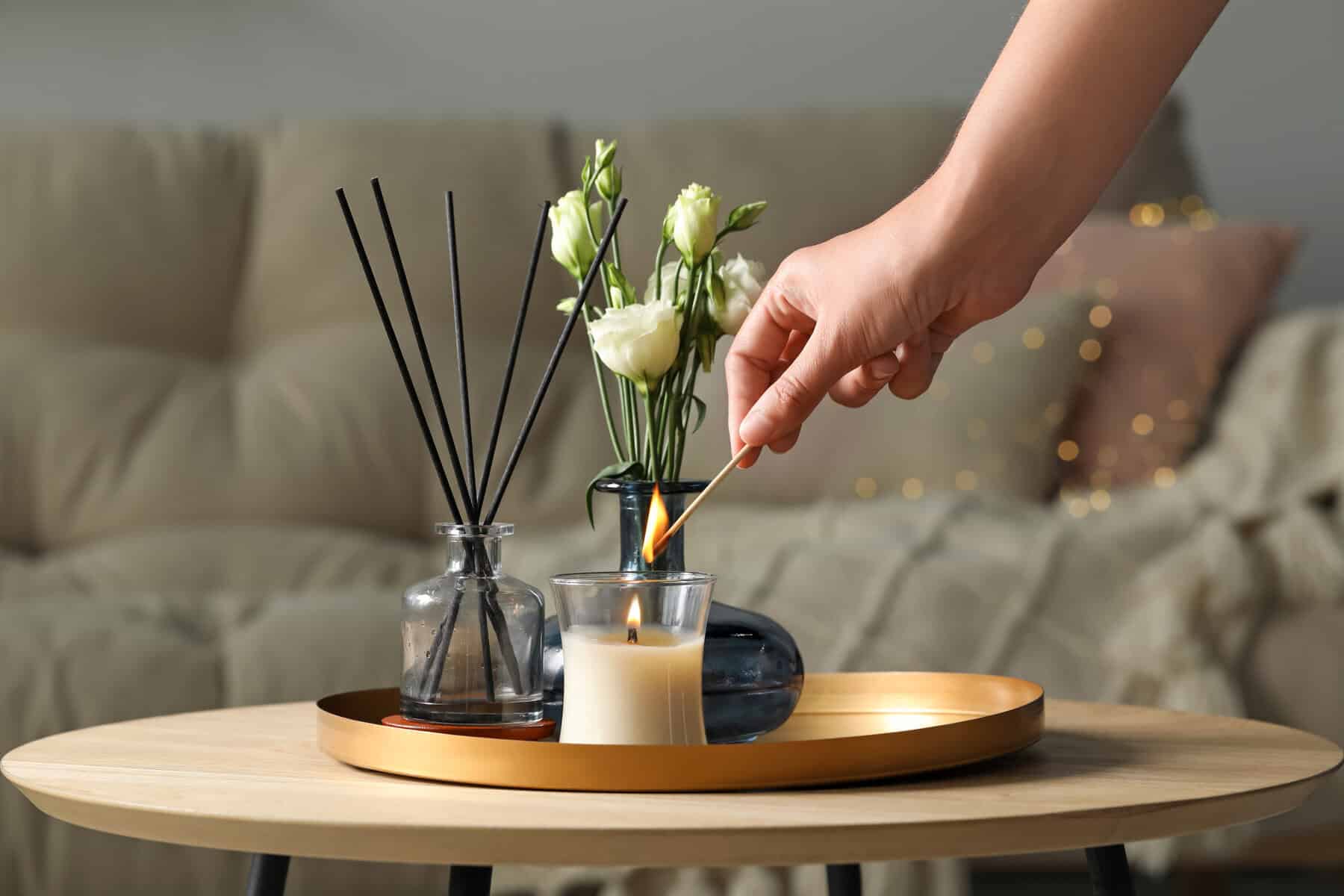
Essential oils can be used in diffusers or placed on cotton balls that are nipped in cupboards, bathroom cupboards or drawers.
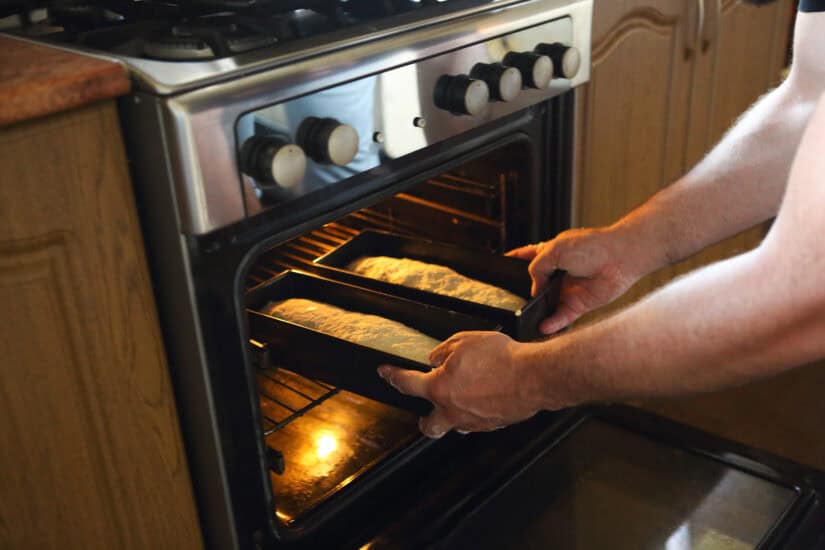
There’s nothing like the smell of freshly baked bread in a home. Picture iStock


There’s just something about a home that smells good. It’s as inviting as freshly baked pastries and danishes in a bakery. It’s pleasing to both folk who live there and, of course, visitors.
Instead of off-the-shelf air fresheners that can feel somewhat artificial, there are some old-fashioned tips and tricks that granny and auntie used to create that sense of homeliness and sensory joy.
Ann Marie Viviers of Heavenly Healing said scent really makes a big difference in how people feel in their homes.
“It’s more than just making a house smell yummy,” she said. “Smell is enormously evocative. You can walk into a room, and a particular fragrance can immediately remind you of a person, a place or even a period in your childhood,” she said. “It means the scent of a home becomes part of how we remember it.”
Create a Simmer Pot
It is one of the simplest methods and is also among the oldest, said Viviers. Add water to a pot with orange, lemon, or lime slices and cinnamon sticks, then allow it to simmer gently. Apple slices, cloves and vanilla work well together, while rosemary can be combined with lemon peel or pine sprigs. Keep the heat low and top up the water as it evaporates.
She said the advantage was being able to change fragrances with the seasons rather than having a single scent dominate a home year-round.
“Winter lends itself beautifully to warmer, spicier fragrances while summer works with lighter citrus and herbal notes. You can make a home feel different without changing a single thing in the room,” she said.
Essential Oils
Essential oils can be used in diffusers or placed on cotton balls that are nipped in cupboards, bathroom cupboards or drawers, for example, she suggested. Lavender, eucalyptus, citrus and peppermint can add some delicious fragrance to your room or home.
“A few drops can go a long way and oils should be used according to their directions, particularly in homes with children or pets,” she added.
Make your own room spray
A natural room spray can be made with a cup of distilled water, two tablespoons of vodka or witch hazel, and 20 to 30 drops of essential oil. Shake it before spraying. The choice of essential oil is personal, but stock standards like mint, lavender and even sandalwood never lose their appeal.
But don’t spray too much, said Viviers. “A scent somebody finds relaxing may be far too strong for somebody else. Start with less and build from there. You are creating an atmosphere, not trying to perfume every centimetre of the house,” she said.
Fabrics keep the stinky
Odours can be captured by fabrics like curtains, cushions, bedding and towels despite a room being cleaned, said Viviers.
“A light homemade linen spray can freshen them, with lavender suited to bedrooms, lemongrass providing a fresher fragrance and peppermint delivering a sharper scent,” she said and cautioned that saturating fabrics with spray is a no-go and it’s best to test sprays on an inconspicuous area first.
Don’t disguise bad odour
“People often try to solve an unpleasant smell by putting another smell on top of it,” Viviers said. “You first want to find the source. A clean, neutral space gives you a blank canvas and then fragrance can do what it is supposed to do.”
Sometimes adding another fragrance is not the answer, she said and suggested that household substances like baking soda absorb odours.
“It can be placed in refrigerators, laundry areas and shoe cupboards or near pet areas,” she said.
“Removing the underlying odour first also prevents the sometimes unpleasant result of fragrance mixing with whatever caused the bad smell in the first place,” she said.
The eternal appeal of baking
There’s nothing as inviting as the scent of fresh bread and cookies to make a house smell like a home. When you’re not baking, she said, citrus peels can also be gently roasted in the oven. Viviers said food smells were particularly effective because of the associations people attached to them.
“Fresh bread or something baking can immediately create a sense of generosity and hospitality. We don’t experience fragrance in isolation. We attach feelings and memories to it,” she said.