Salif Keita cited concerns over xenophobic violence in South Africa
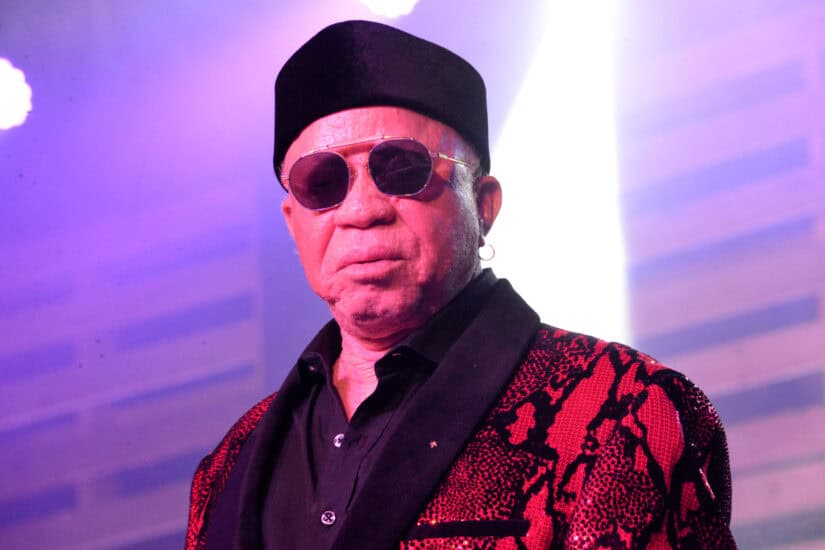
Salif Keita during Joy Of Jazz In South Africa on 1 October 2017 in Johannesburg. Picture: Gallo Images/Oupa Bopape


Legendary Malian musician Salif Keita has cancelled his scheduled commercial performances in South Africa, citing concerns over xenophobic violence targeting African migrants.
According to Kaya 959, the acclaimed singer explained his decision in an emotional open letter. In it, he said the reported hostility represents a painful departure from the values of unity and shared struggle associated with South Africa’s liberation history.
Keita is no stranger to South Africa’s history. In 1988, he performed at the Nelson Mandela 70th Birthday Tribute concert at Wembley Stadium. The landmark event helped draw international attention to the anti-apartheid struggle.
Why did Salif Keita cancel his shows?
For Keita, the decision appears to be about more than simply cancelling concerts. He described it as a matter of conscience. He also made it clear that his stance is directed at internationally perceived and alleged targeted violence rather than at South Africans as a people.
The musician stressed that economic hardship and frustration affecting citizens shouldn’t be turned against fellow Africans.
His message also touched on the legacy of colonialism. Keita highlighted how borders across the continent were created artificially. He argued that such borders should not erase the shared humanity of African people.
“I close the door on hate, but my heart remains open,” he said, reinforcing his belief that solidarity should remain at the centre of Africa’s future.
Interestingly, Keita has not closed the door on South Africa altogether.
While stepping away from commercial performances, the musician said he would remain open to appearing in non-commercial spaces. These include townships and venues where music could encourage conversation, healing and unity.
That distinction is significant. Rather than rejecting South Africa, Keita appears to be challenging what he sees as a growing climate of hostility toward migrants from elsewhere on the continent.
His comments are currently igniting debate about xenophobia, economic pressure and the complicated relationship between African nations.
Keita’s return to South African stages, therefore, may depend not only on promoters and audiences but on whether he feels the country once again reflects the spirit of ubuntu he believes in.