Performing artist Gemma Treehearn explores identity, social media, AI and being human through dance in 'e.ID: A Fugue' at the State Theatre.
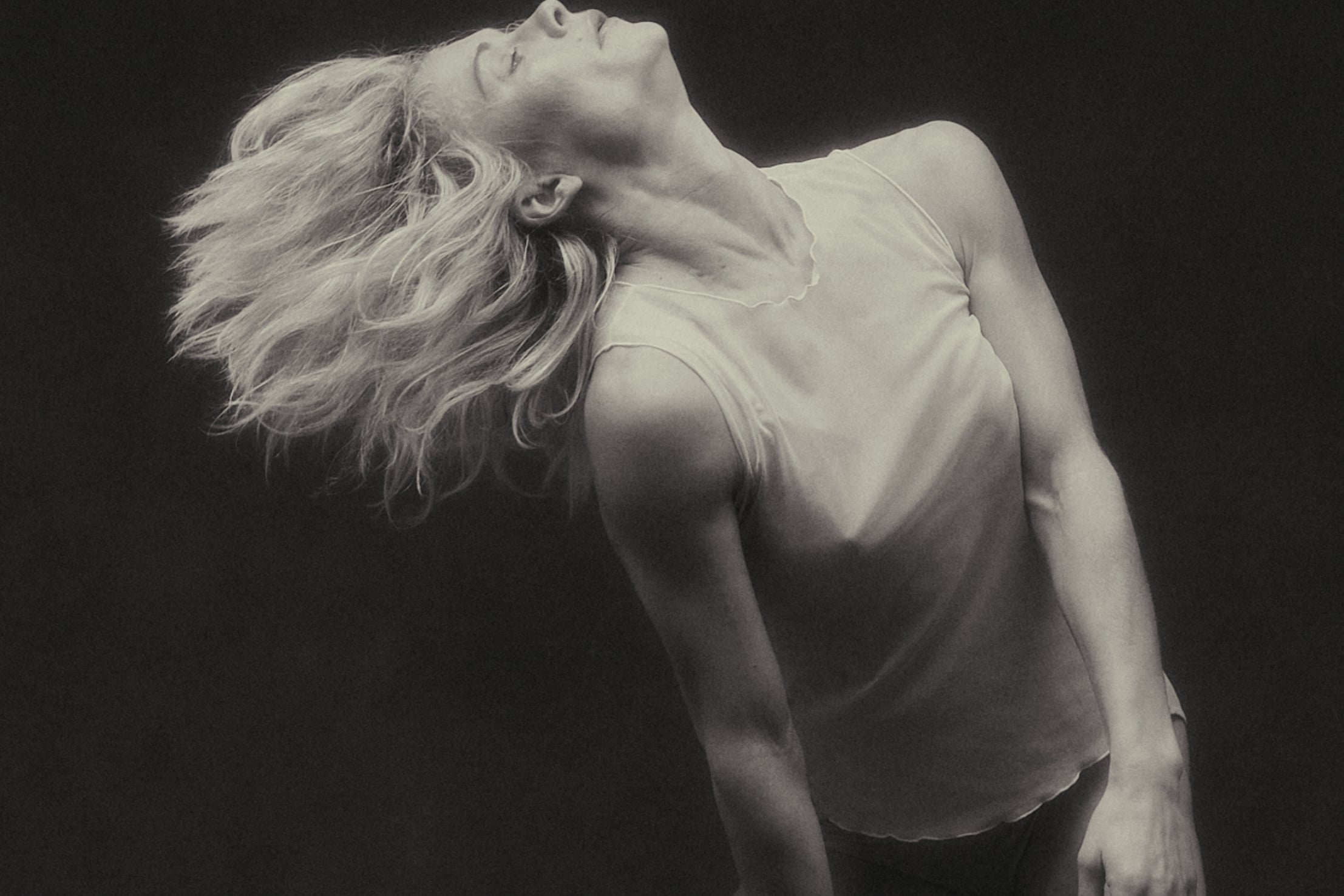
Digital existentialism. Performer Gemma Treehearn. Picture Supplied


Social media lets us crop, filter and curate ourselves into whatever version of ourselves we want the world to see.
Then there are the algorithms that learn what we like, artificial intelligence can create on command, and our digital selves never really take time out.
Performing artist Gemma Trehearn, 31, says that it’s this dichotomy between the physical and digital worlds, a sort of new digital existentialism if you like, that’s behind e.ID: A Fugue, an interdisciplinary dance production by Darkroom Contemporary Dance Theatre, choreographed and directed by Louise Coetzer.
The production runs at the State Theatre from 19 to 23 August as part of the Kucheza Africa Dance Festival. It explores identity, mortality and the blurry line between human beings and their digital existence.
“The piece asks who we are really in this digital age?” Trehearn said. “In the end, we still are human beings with flesh and bone. We still need to breathe.”
People are more than mirage reflections on timelines.
Despite digital, we are still human
Trehearn is not a GenZ, so she grew up with both analogue and digital’s coming of age. And while she only misses the measure by a couple of years, she said it’s an interesting generational space.
As a millennial, she remembers life before everything became an app, profile or timeline. Now, like for most performing artists, social media is part of the job. And she doesn’t particularly enjoy that bit. N
“I’ve always struggled with putting myself out there on social media and putting on this mask of this is who I am,” she said.
“Self-promotion can feel like another performance, except this one never gets a curtain call, because it’s always-on. “You’re always posting the good stuff, right? And it’s this mask. It’s not the full scope of who you are.”
Dance takes her in the opposite direction, because it’s analogue. In fact, said Treehearn, dance is innately part of being human. “We were all, back in the day when we lived in caves, dancing around fire. It’s what we instinctually connect to right through to today,” she said.
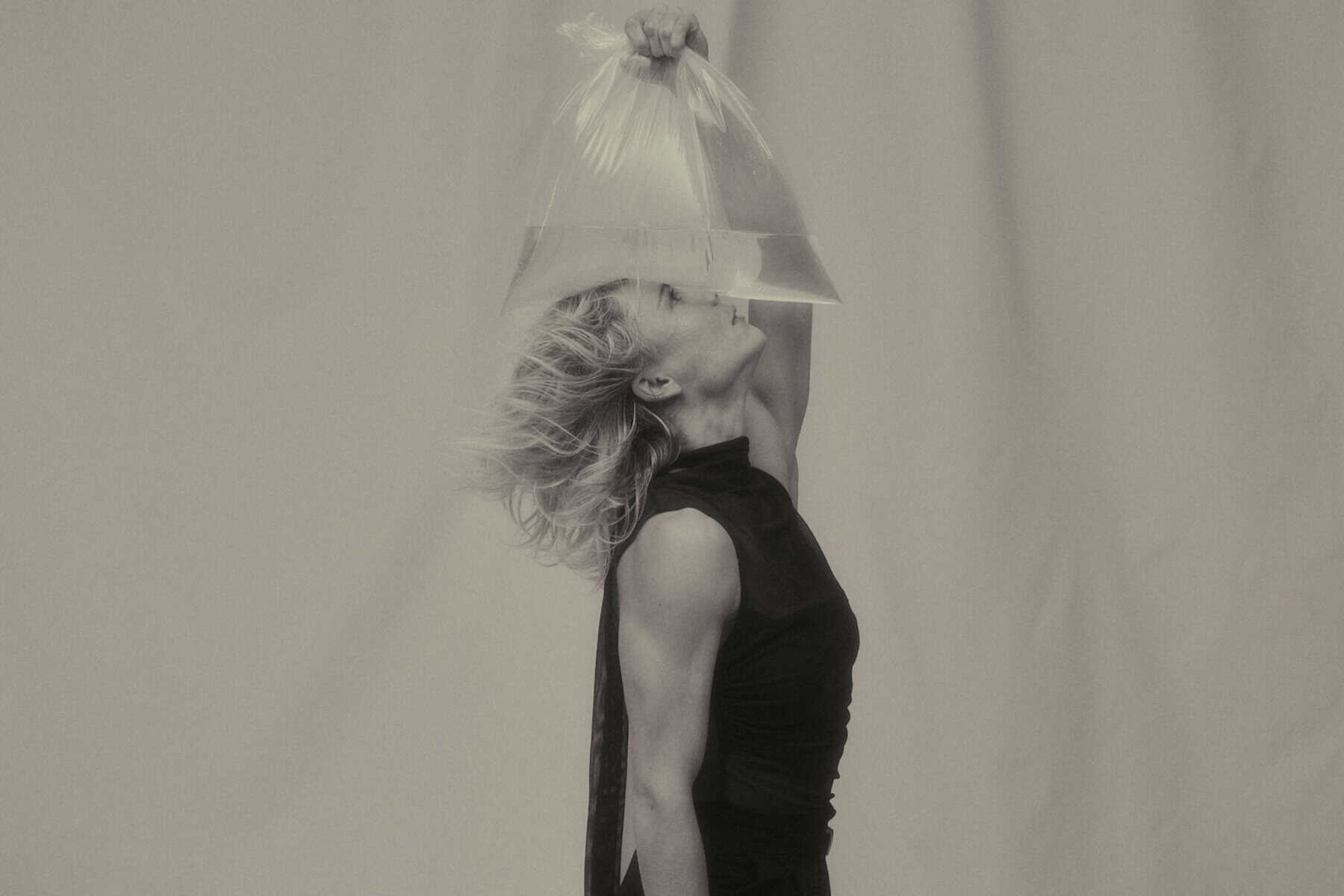
There are also no apps, filters or machine prompts to make dance, create emotion and to prompt movement.
“AI can’t do the hard work for you as a dancer,” she said. “You put in the hard work; you get really rewarded from putting in all that work. It’s physical. It’s raw.”
Trehearn started dancing when she was around four or five and became hooked on what her body was capable of.
By the time she finished high school, the decision had effectively been made.
“There’s nothing else I want to do with my time than this,” she shared were her sentiments at the time, and it never changed.
‘Nothing else I wanted to do with my life’
She trained in ballet for much of her life and previously danced in a ballet company. It made her physically strong, she said, but contemporary dance gave her something different.
“Ballet is beautiful. It’s a beautiful art. But I always feel like there’s not as much creativity.” Contemporary dance gave her greater freedom to explore emotion and individuality.
“It’s more freeing. It’s more visceral in the body. Whereas ballet, I find it’s very restricting. You have to fit into this perfect box.”
A predetermined look and feel.
There is no perfect selfie in e.ID: A Fugue. The work instead asks what parts of us are genuinely ours and what has been shaped by culture, society and technology.
The dancers carry lights on stage during the production, something that became symbolic for Trehearn.
“How do I remember my light, my true identity, and what parts of myself do I want to keep? What parts of myself do I want to let go of?”
Visual movement takes her somewhere words cannot. The same goes for the audience and their experience.
“There’s a moment when you’re on stage, and it’s almost like you start to connect to your power,” she said.
“You connect to this very spiritual part of yourself.”