



ESPN Africa's short-form series Jesse in Japan, starring Jesse Kriel, offers fans a closer look at his life off the field.

Springbok Jesse Kriel’s ESPN series opens up life off the field. Picture: Supplied.


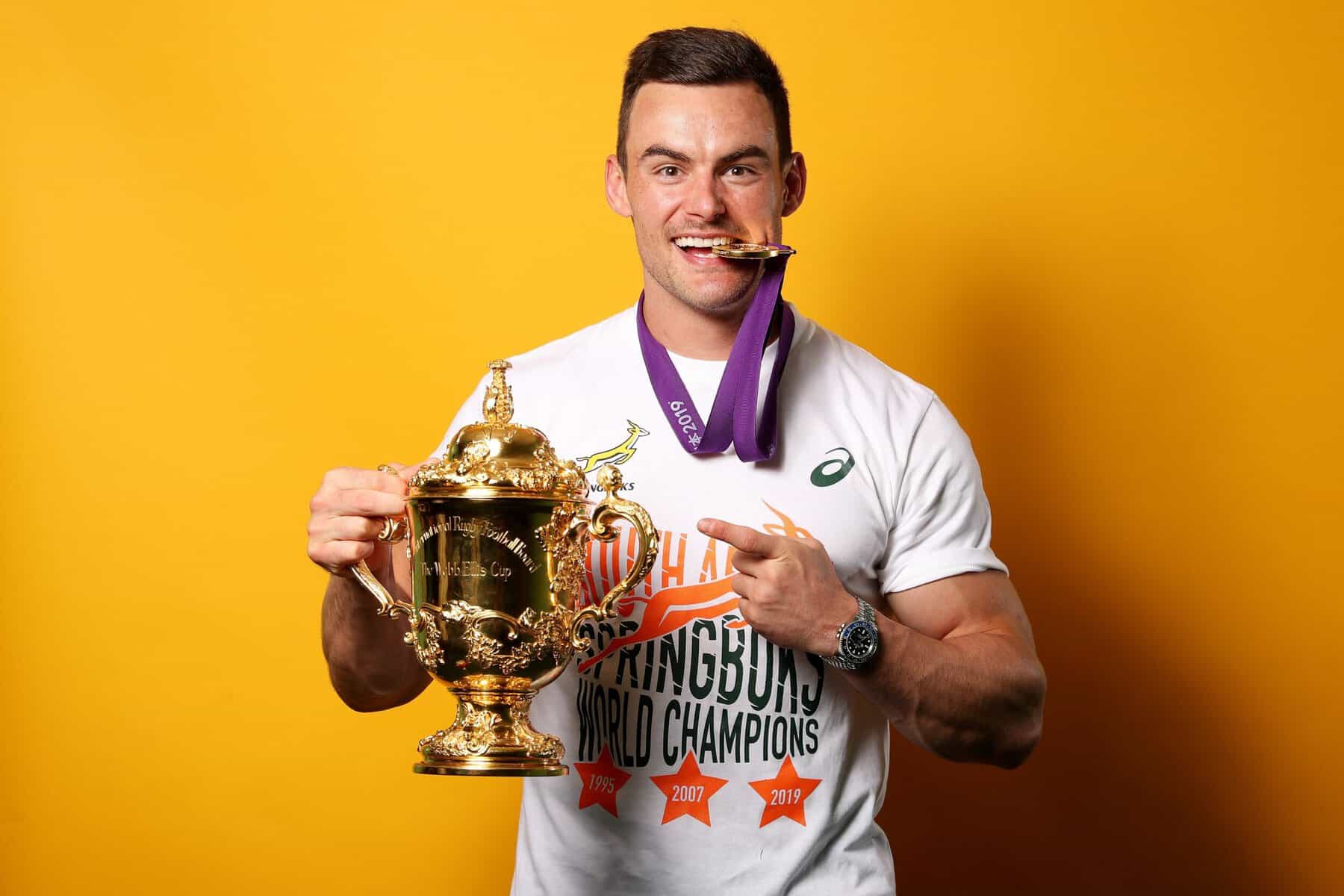
Springbok Jesse Kriel and his teammates are South African heroes. Not only did Rassie Erasmus’ dream team bring back the Rugby World Cup trophy for a record fourth time two years ago, but they also achieved something much bigger.
Along with captain Siya Kolisi, Kriel and the green and gold helped unite a country inclusively. It’s what sport has always meant to do, and rugby’s done it for Mzansi.
What happens off the field is always a mystery to fans, though, and ESPN Africa’s short-form series Jesse in Japan, starring Jesse Kriel, offers fans a closer look at his life off the field.
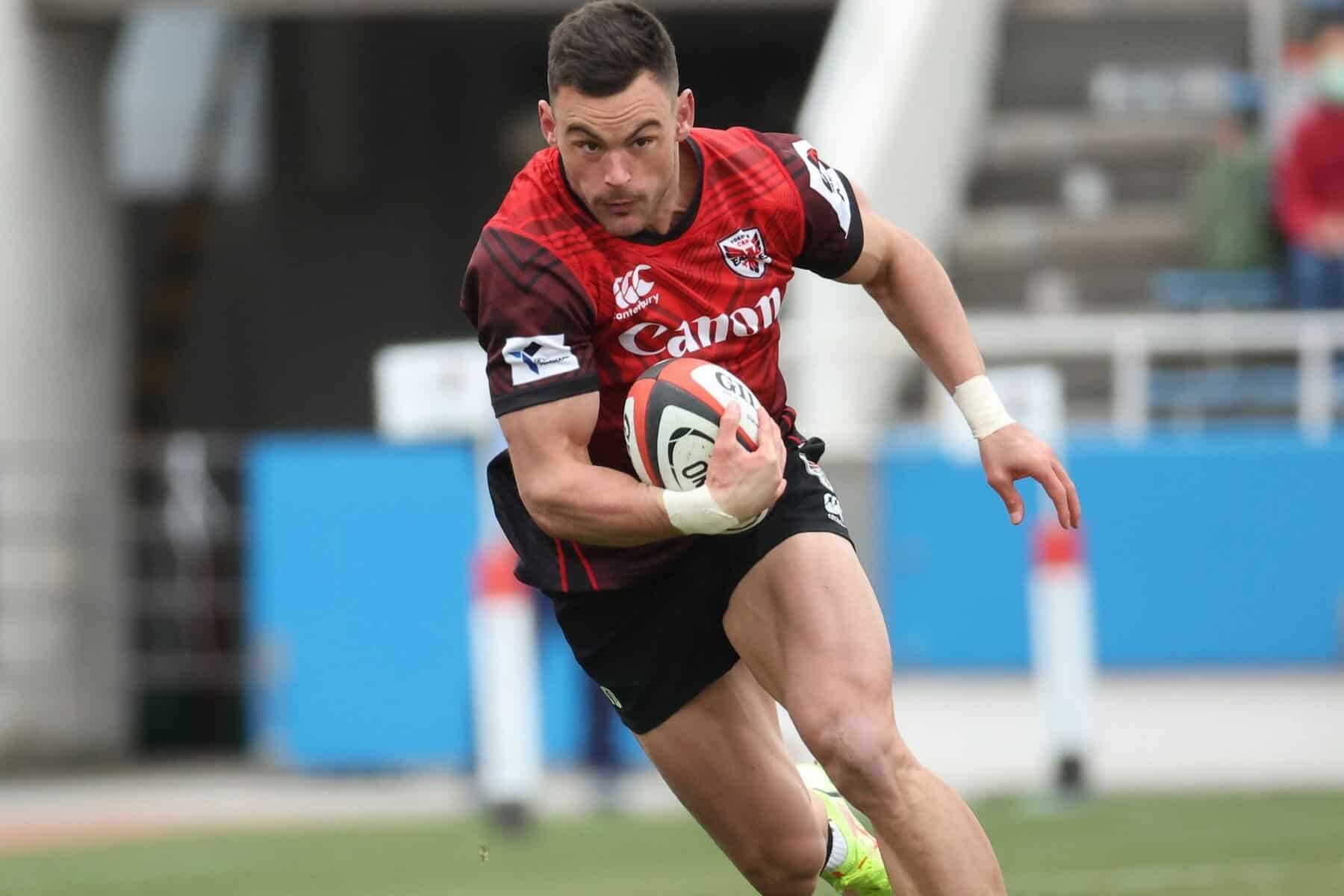
The show, which launched in February with monthly episodes across ESPN’s digital platforms, follows Kriel’s journey in Japan, where he plays for and captains the Yokohama Canon Eagles in the Japan Rugby League One.
The show goes beyond match days and focuses on the quieter, more personal side of the rugby internationals’ life, from training routines and recovery to food, culture and everyday experiences in a new country.
In a sense, it’s an unfiltered glimpse into how Kriel balances his powerful on-field performance with adapting to life in Japan, while also giving audiences insight into the growing profile of rugby in the league.
You have been in Japan since 2020, but becoming the Yokohama Canon Eagles’ first foreign captain is a different level of responsibility...
Becoming the first foreign captain of the Yokohama Canon Eagles has been a massive honour and a valuable learning experience. It pushed me to grow both personally and professionally.
Leading in a different culture teaches you humility very quickly. I listened more, observed more, and had to adapt certain things.
It’s made me more patient, more intentional, and more aware that leadership isn’t about being loud, but about consistency and care, on and off the field.
How different or similar does life in Japan feel compared to South Africa?
This may seem obvious but what stood out most for me was how different things are culturally, especially in the beginning. The language and cultural differences were the biggest challenge at first. You realise quickly you can’t rely on the same tools you’ve always used, and that forces you to grow.
At the same time, there are similarities in values like respect and discipline. With Jesse in Japan, I really liked the idea because this country has given me so much over the last seven years. I wanted to show the real side of life here, not just rugby, but the culture, the people, the quiet moments, and the lessons.
I hope fans see that growth happens when you step outside your comfort zone, and that there’s real beauty in embracing something completely different.

The series shares routines such as training, recovery and even errands. How important have those quieter, off-field moments been in helping you perform at your peak?
Those quieter moments have been incredibly important. When you’re in a high-performance environment, it’s often the small, consistent habits off the field that make the biggest difference.
Living in Japan has helped reinforce that. The structure, discipline, and even the calmness of everyday life helps you reset mentally and physically. It’s in those moments, whether it’s recovery, routine, or just daily life, that you build the consistency needed to perform at a high level.
How would you describe the standard of Japan Rugby League One, and what do South Africans still misunderstand about rugby in Japan?
The standard of rugby here is very high and continues to improve every year. It’s a competitive league with a strong mix of international experience and local talent, and the level of professionalism is excellent.
I think one of the biggest misconceptions back home is that the rugby isn’t as physical or intense, but that’s definitely not the case. The game here is fast, skillful, and very well organised. There’s a strong rugby culture that people are starting to appreciate more.
You have now captained both the Springboks and your club side abroad. How has living and playing in Japan shaped your leadership style?
Living and playing in Japan has shaped me in a big way. The challenges around language and culture forced me to become more open-minded and more respectful of different ways of thinking. It helped me grow and mature, not just as a player, but as a man.
My leadership style now is much more about understanding people, being patient, and leading through actions rather than words.
At the same time, I’ve always stayed connected to the South Africa national rugby union team. South Africa will always be home. Through family, friends, and the national team culture I’ve been fortunate to be part of. No matter where I play, that connection remains a big part of who I am as a leader.
ESPN is on DStv 218, Starsat 248 and on Disney+ and ESPN2 on DStv 219, Starsat 249 and on Disney+
Support Local Journalism
Add The Citizen as a Preferred Source on Google and follow us on Google News to see more of our trusted reporting in Google News and Top Stories.

