
It's enough to make you hurl at times, but 'Monster: The Ed Gein Story' is a brilliant piece of television
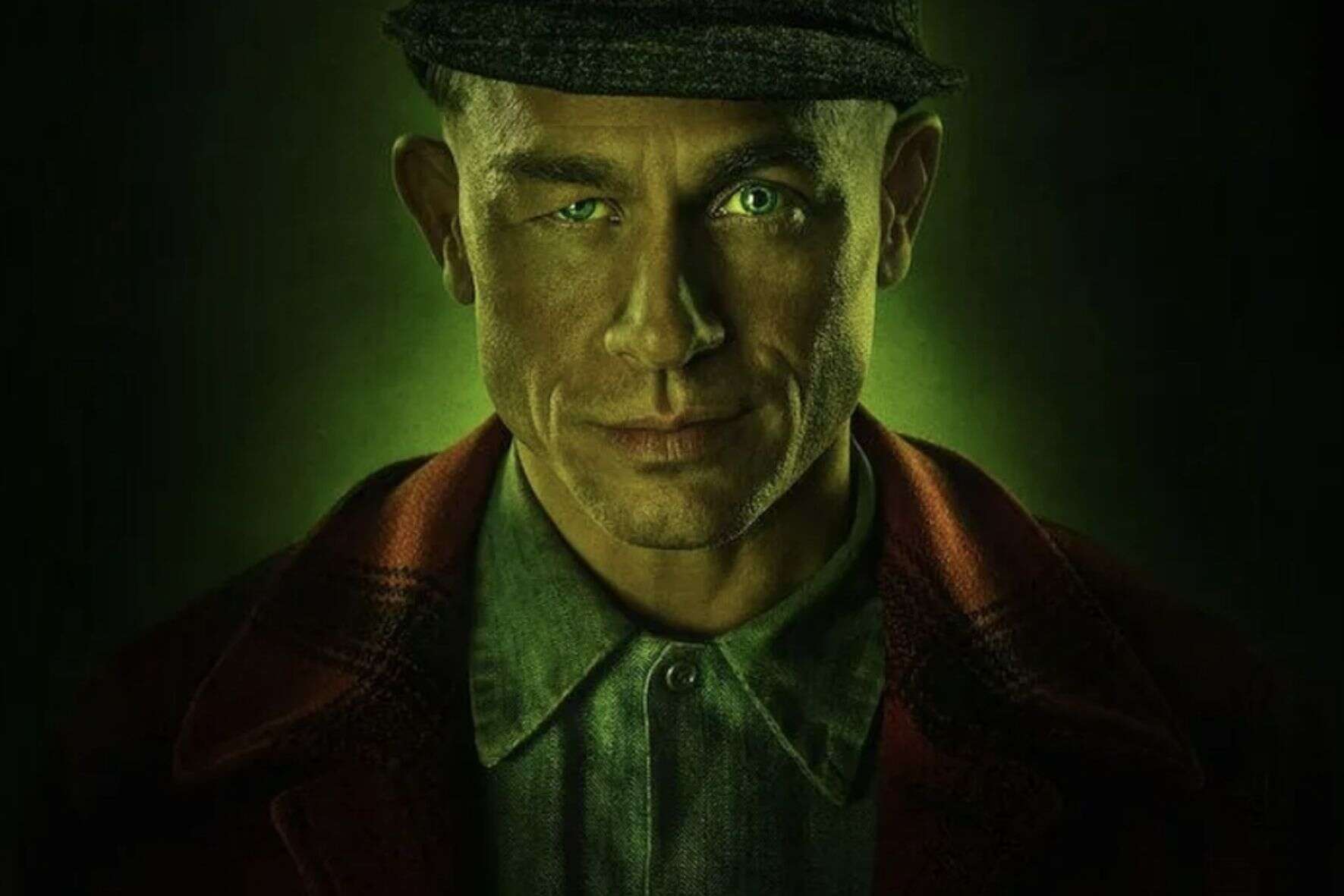
Scary, eerie and disturbing. But brilliant. Picture: Supplied


It’s graphic enough to make you want to vomit, sick and twisted enough to make your emotions feel like they are having a seizure. Netflix’s Monster: The Ed Gein Story is a brutal — mostly based on his reality — drama about the shaping of and subsequent life of one of history’s all-time psychos. There’s no better way to describe it.
Think of this show as Dexter, times one million. Gein was a man who became obsessed with death. According to the limited series, because of the images he saw of World War Two atrocities committed at Nazi death camps. Also, it suggests a propaganda comic book that featured a Nazi, buxom blonde military torturer who committed sadistic crimes against prisoners of war, as an early influence.
Now, cut to what history tells us about the guy. Gein lived in a small town called Plainfield in Wisconsin. He lived in a farmhouse with a mother who taught him that women were wicked, sex was sin and the outside world was something to be feared rather than joined. It is explicitly shown and dramatised in the show. His dad was an alcoholic. According to reports, this dichotomy between ultra conservative mom and drunkard dad turned him into a boy who grew up learning how to disappear inside himself.
How a psycho is assembled
He was not really allowed friends, and stepping out of line, even asking questions about anything, was not only discouraged but punished. After spending his first few years in La Crosse, Wisconsin, his family moved to the isolated farm in Plainfield, where his horrors later played out. Also, despite her dominating, bombastic persona, Gein worshipped his mother, feared her and took in her world view so completely that by the time he reached adulthood, there was little left of him that wasn’t an echo of her voice in his head.
Watch the trailer
His father died in 1940 and the show picks up after his demise. In 1944, his older brother Henry was found dead after a bush fire lying in a marsh. Authorities called it an accident, but others were not so convinced. In the series, we see Gein murder his brother. This is because Henry had started pushing back against their mother’s control and openly questioned her influence over brother Ed. A year later, mother died. That was the moment Gein snapped.
Also Read: What to watch: ‘Run Away’ is Netflix’s best Harlan Coben yet
Gein turned her bedroom into a shrine and never buried his mother, well, not according to the show. Instead, it suggests he propped up the corpse to look out the window, in a rocking chair, and he started pretending that Mother was alive. After she crossed the River Styx, he still heard her voice in his head.
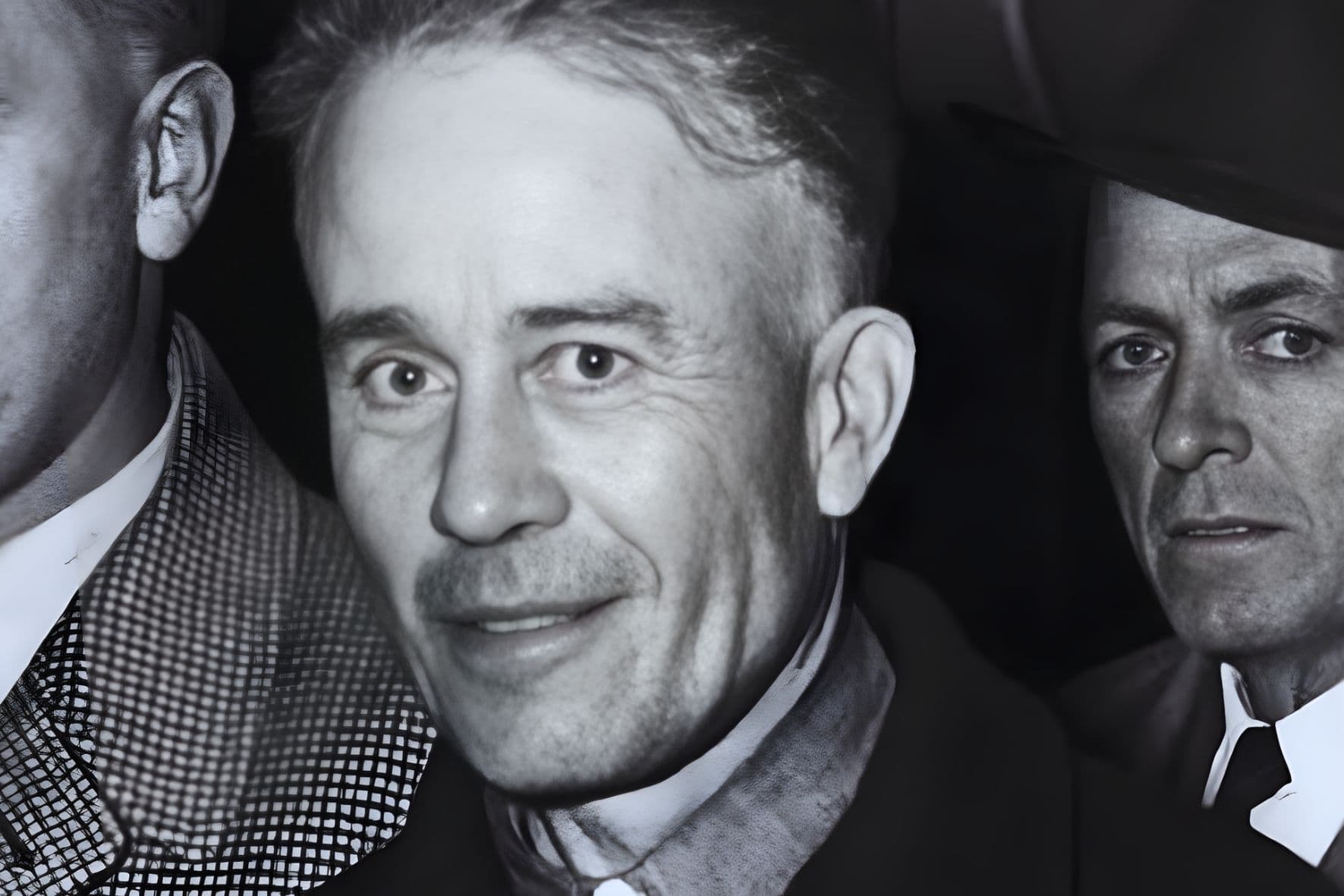
His mother’s rotting corpse
With his mother’s rotting body in the house, Gein started living out his dark fantasies. He began digging up the graves of middle-aged women who resembled his mother, and took parts of their bodies home. There, believe it or not, he turned them into objects, including masks made from human faces, bowls carved from skulls and tanned human skin, he upholstered furniture with human leather, and, sickeningly, created a body suit of a woman that was stitched together from preserved female skin.
The series insinuates that this part of Gein’s behaviour was inspired by another Nazi criminal, Ilse Koch, who apparently made similar items from concentration camp victims’ skins.
The show depicts this graphically. Be prepared.
This can put you off your dinner
Gein was not a serial killer in the traditional sense of the word. After his arrest, he admitted to killing two people, though it was suspected to be closer to nine. He admitted to nine grave robberies, but some reports said that more than 40 different bits of female remains were found at his home. A bowl of dry vulvas in the final episode is enough to put you off your dinner.
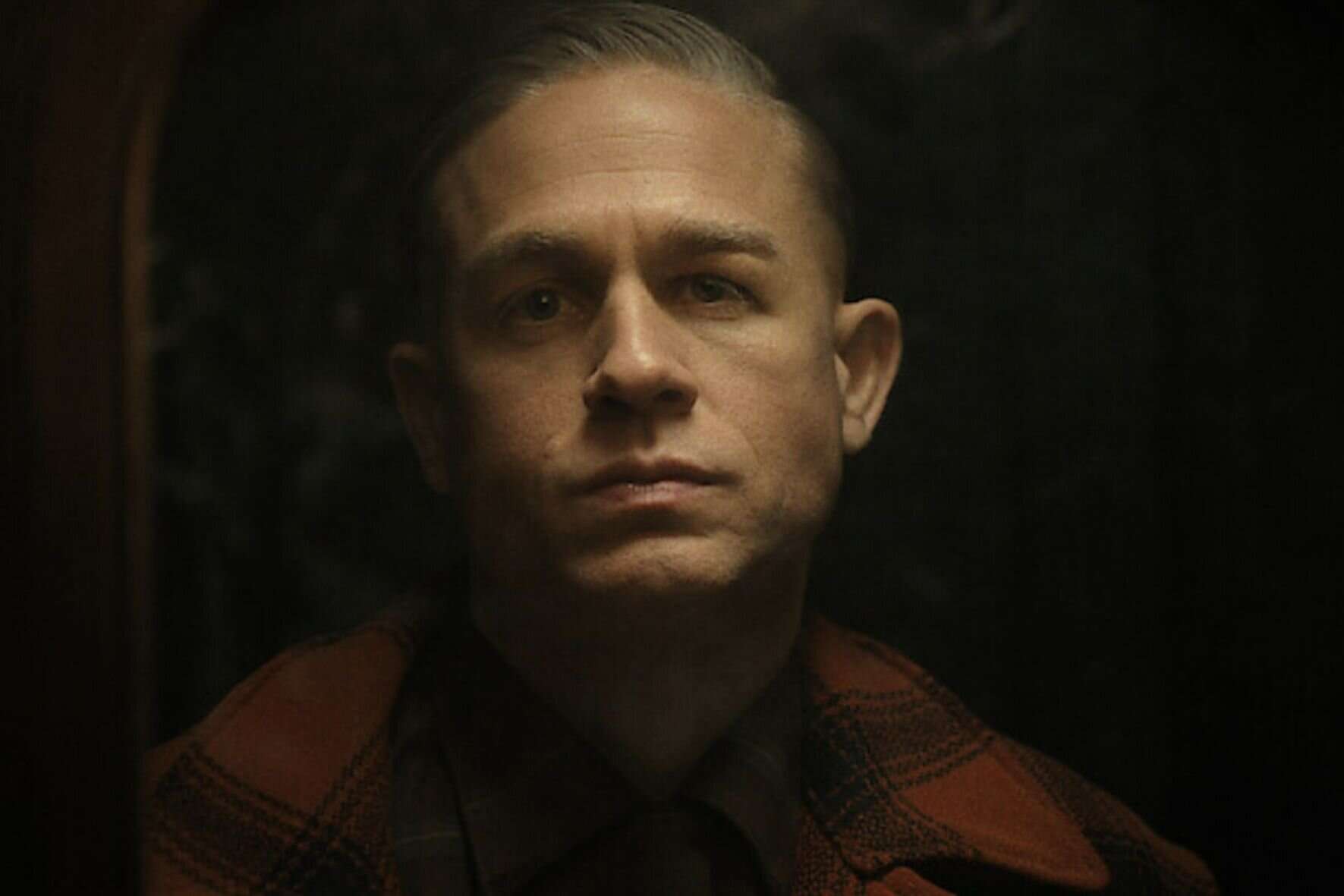
Monster: The Ed Gein Story was produced by Ian Brenner, part of the team that also delivered the Menendez Brothers and Jeffrey Dahmer instalments of the loose franchise. Some critics and viewers have slammed the show for its dramatisations, layered plots and improvisations in storytelling, but perhaps it was because they expected a carbon copy of its predecessors. The Gein instalment is none of that; it is ice-cold and psychotic and oh so very dark. It’s difficult to digest. But without darkness, how can there be light?
Gein is played by Charlie Hunnam, who you’d have seen in Sons of Anarchy, Queer as Folk and several other hit shows and left-of-centre roles. His performance is chilling and akin to the delivery of Anthony Hopkins in the serial killer classic The Silence of the Lambs. Actually, it’s even better. No wonder he received nominations for a Golden Globe for Best Actor for a Miniseries or Television Film, the Actors Award for Outstanding Actor in a Miniseries or Movie and the Critics’ Choice Television Award for Best Actor in a Movie or Miniseries last year.
The show is as entertaining as it is disturbing, definitely not for children, and not for the faint-hearted. But perhaps it is important to watch, and to try and understand how some people who may walk amongst us are not as normal as they seem.
Now Read: What to watch: When world leaders go full action hero