
Chef Kabelo Christof is a man of few words, but put him in a kitchen, and his cooking does the talking.

Chef Kabelo Christof has redefined traditional AFrican food. Picture: Hein Kaiser


Some people talk a lot about what they do; others just do.
Chef Kabelo Christof is a man of few words, but put him in a kitchen, and his cooking does the talking.
And you won’t find his cuisine just anywhere, because his speciality is traditional African food that he plates to rival any pretty food, anywhere.
Christof said his style of cooking is Mamelodi style, the township where he spent his childhood.
“Every ‘kasi has its own style of cooking,” he said. “Just like Durban curry has a distinct flavour and style when compared to other Indian cuisine, so too every township has its own variants, flavours and traditions. Pretoria food is cooked a certain way,” he said.
“You do not have to put a lot of ingredients. If you have salt and a couple of well-balanced spices, you are good to go. African flavours are mild, but there is something powerful about them.”
Something powerful about African flavours
His love of cooking comes from time spent as a youngster, on Sundays, helping his aunt and mother prepare lunch.
“They loved cooking,” he said. “I was always helping. That is where everything started.”
At the time, he never pictured himself becoming a chef, but cooking, he said, was almost predestined.
The 33-year-old’s career began in a small Sunnyside, Pretoria restaurant before moving through several other kitchens, including Ayepyep and Moja Café. Christof said that everything he knows about food has been self-taught and mentored.
“I learnt everything while working,” he said.
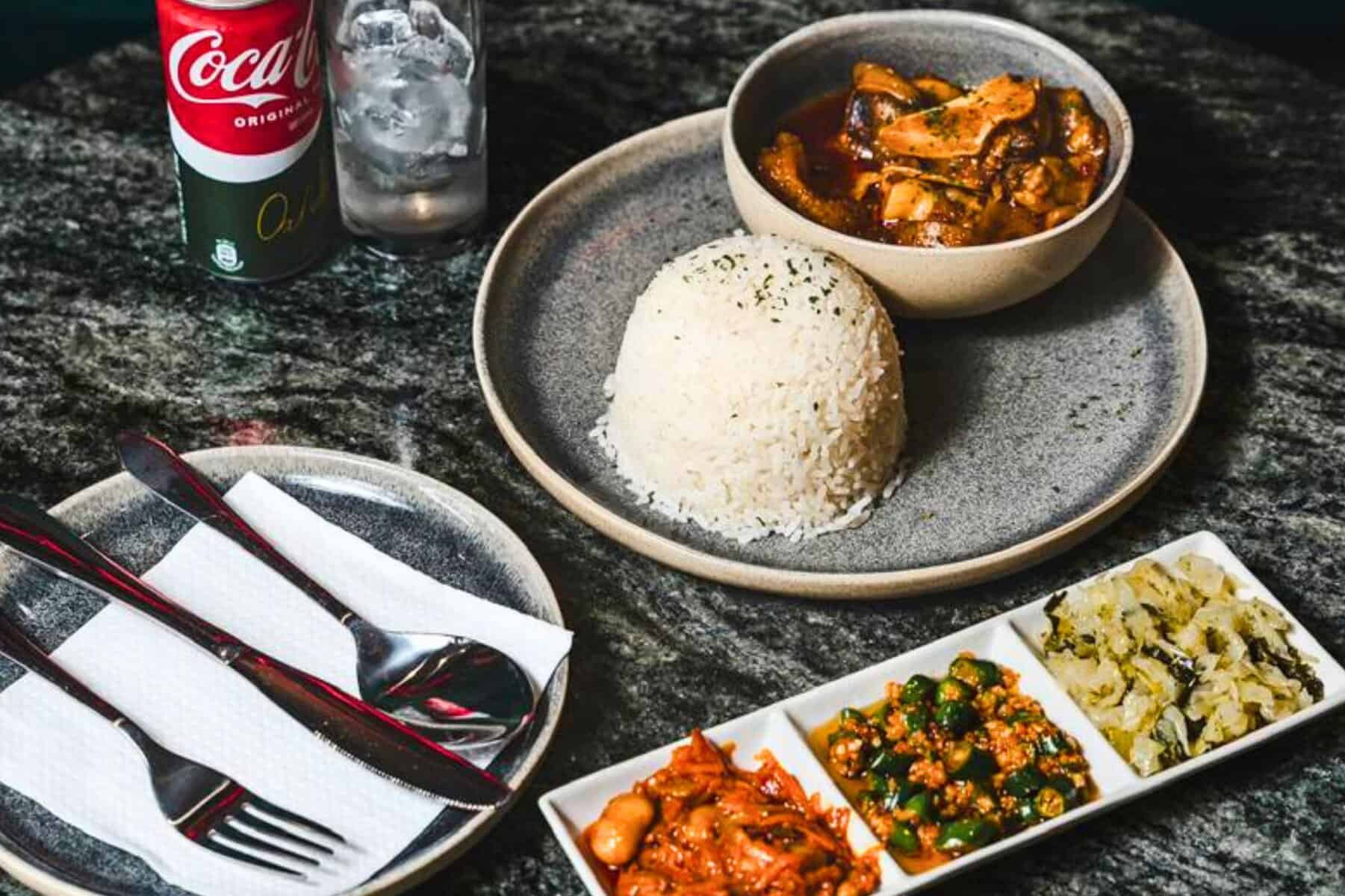


“Hot Plate,” he said, is the Sunninghill restaurant where he chefs presently, “it is where the culture of African food is kept, where it’s supposed to be.”
He developed the eatery’s menu, including recipes he created and those passed down from his family.
Choose chicken feet, mogodu, lamb trotter, meaty bones and half cow head smileys off the menu.
“Everything on offer is from my heart and heritage,” he said. “It’s the mix of spice that makes it really nice, flavours that I have developed over time.”
Mogodu with lamb trotters is his favourite. “Mogodu has that thing,” he said. “There is a taste you do not get anywhere else.”
‘Mogodu has that thing’
Traditional African food is enjoying somewhat of a commercial renaissance, he said. And it’s made the move out of neighbourhood kitchens to restaurants.
What Christof finds particularly interesting is that diners who flock to Hot Plate and other traditional dining options are becoming younger.
“Young people want home-cooked food, but they do not like cooking,” he said. “Yet they yearn after the comfort of home. Add ambience, modern plating to appeal to aesthetic culture and the right kind of flavours, and I think that we are looking at am eating out trend that will continue to grow in the years to come,” he said.
“Traditional food you can eat anytime. Even in the morning. You can have dumplings and chicken feet for breakfast, lunch or dinner. It’s anytime comfort food.”
ALSO READ: Chef Zee’s food does the talking
Christof said that beyond cheffing for the converted, he’d like to introduce international visitors to real African cooking.
“I want them (tourists) to experience food like it should be, not sanitised or curated for global palates, but rather to leap into an adventure of taste and dishes that they cannot experience anywhere else in the world. That’s one of my resolutions for next year,” he said.
“I want the food to speak for me and our heritage,” he said.