
The weight loss race has not subsided, and while it feels like a gold rush, regulatory systems have struggled to keep up to speed with experts.

Weighing in on GLP1’s. Picture: Supplied


Demand for prescription medicines that tackle obesity and other metabolic challenges has raced ahead of the systems that provide patient protection guardrails.
With a large number of South African adults estimated to be overweight or obese, lifestyle physician Dr Gerhard Dr Vosloo believes the greatest danger may lie in how quickly public demand has outstripped the healthcare sector’s ability to maintain oversight.
The explosive popularity of GLP-1 medications and similar therapies has transformed the obesity treatment landscape in a matter of years.
What used to be confined to specialist medical discussions is now the subject of social media trends, celebrity endorsements, and growing public demand.
Shortages of registered medicines followed quickly after the treatments gained traction internationally, creating challenges for patients already using them and practitioners attempting to initiate treatment.
It also opened the door for compounding pharmacies to fill gaps in supply where regulations permitted.
“The supply shortage created a need for compounding pharmacies to step in and assist in and support continuity of care.
“South Africa’s regulatory framework allows for this in specific instances, particularly where a patient’s treatment cannot be interrupted or where therapy needs to be initiated but availability would otherwise not allow it.”
Booming weight loss industry
Dr Vosloo said that the speed of demand-side growth has placed pressure on both supply chains and the structures responsible for monitoring how the medicines are prescribed.
“Enforcement capacity has been stretched significantly by the rapid rise in demand, placing considerable pressure on the resources available to oversee compliance,” he said.

Questions about whether the medicines are being prescribed appropriately also followed. Yet obtaining a clear picture of misuse remains difficult because obesity treatment does not operate according to a single universal standard.
“There is no accepted clinical threshold that defines when treatment is justified, nor is there a centralised database to indicate prescription quantities,” he said.
Thus, the absence of a single benchmark leaves much of the decision-making in the consultation room, where doctors must weigh a patient’s medical history, body composition, metabolic risk and previous attempts at lifestyle intervention before issuing a script.
“The vast majority of patients who present to a doctor may benefit from improvements in metabolic health or body composition, but demonstrating that appropriate lifestyle-based interventions have been attempted and sustained is almost impossible, and relies largely on subjective reports,” Dr Vosloo said.
Decision making is left with health care professionals
Accountability for prescribing conduct lies with the Health Professions Council of South Africa, but Dr Vosloo said the pace of growth in demand and the arrival of new service models have made real-time monitoring difficult.
In the meantime, clinical judgement remains the first line of defence against poor practice.
“Practitioners and platforms are required to operate within these established guidelines, and any deviation from accepted clinical practice can be investigated and addressed through the appropriate regulatory processes.”
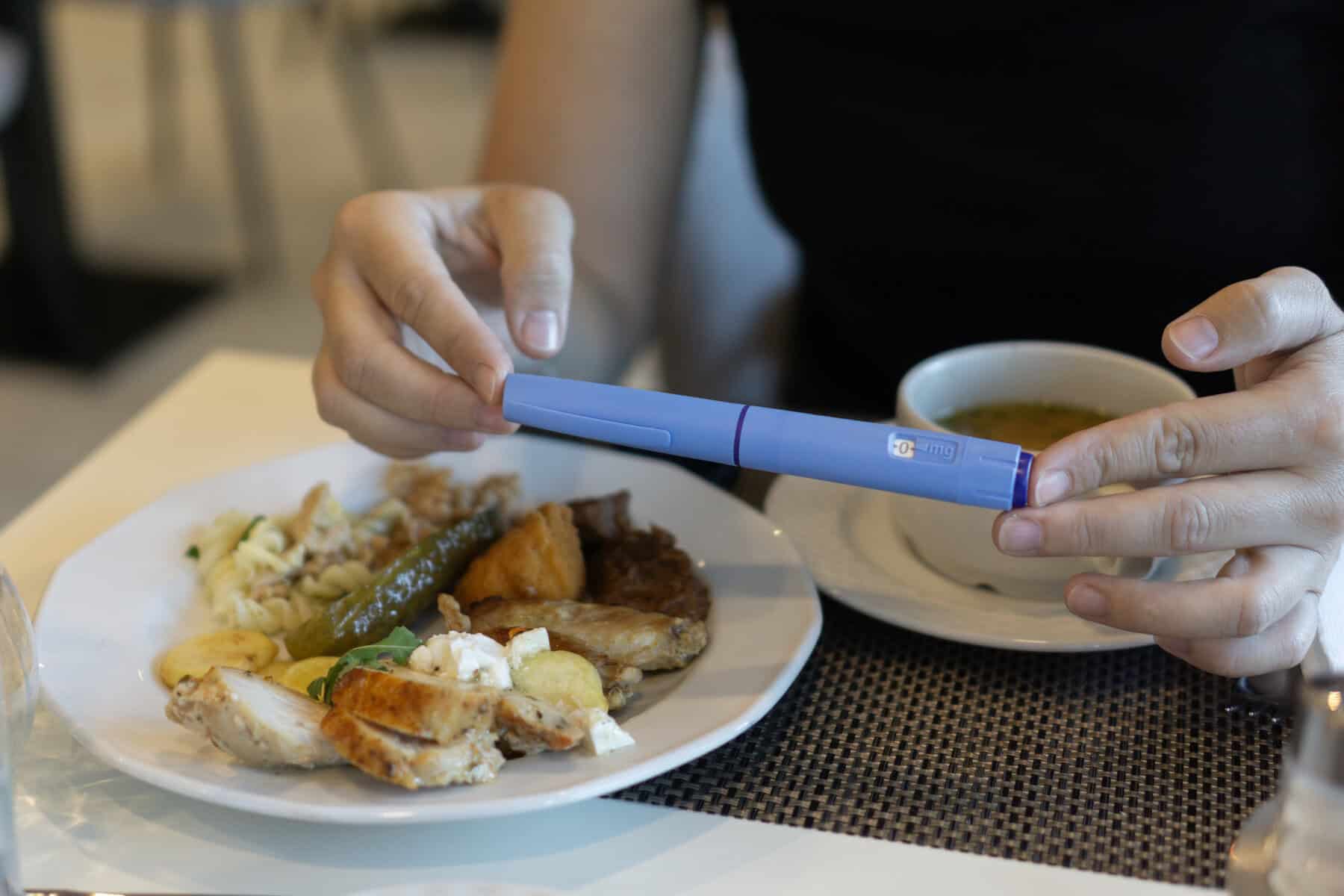
Online medical platforms have boomed, and Dr Vosloo said virtual consultations could play a legitimate role in structured metabolic care, particularly for assessment, monitoring, side-effect management, and treatment endpoints.
He warned, however, against treating digital access as a replacement for hands-on medicine.
“These platforms should not attempt to replace primary healthcare or situations where physical examination is necessary. If any concern or need arises that requires in-person assessment or care, a physical appointment must be scheduled.”
Patient behaviour has also complicated matters, he said.
Someone refused a prescription by one practitioner can approach another, and there is no industry-wide mechanism to prevent this kind of doctor shopping in private healthcare.
Dr Vosloo also noted that aggressive dosing protocols can strip weight from the body too quickly, sometimes with consequences that only become visible once the initial excitement over lost kilograms has faded.
“One of the primary concerns is the risk of sarcopenia, or skeletal muscle loss. This can occur when weight reduction relies heavily on medication alone, without adequate attention to resistance exercise, calorie intake, and nutritional support.”
Side effects
The loss of muscle mass can affect strength, joint support and longer-term metabolic resilience.
Rapid weight loss may also trigger telogen effluvium, a temporary form of hair loss linked to metabolic stress and nutritional strain.
“While the condition is usually reversible, it can cause significant distress and signals that the body has been placed under excessive physiological pressure,” he noted.
The warning, he added, is not that these medicines do not work. It is that they work best when medicine remains part of care, not a substitute for it