
Usernames are entirely optional. Users who are happy with the status quo can simply continue using their phone numbers as they always have.
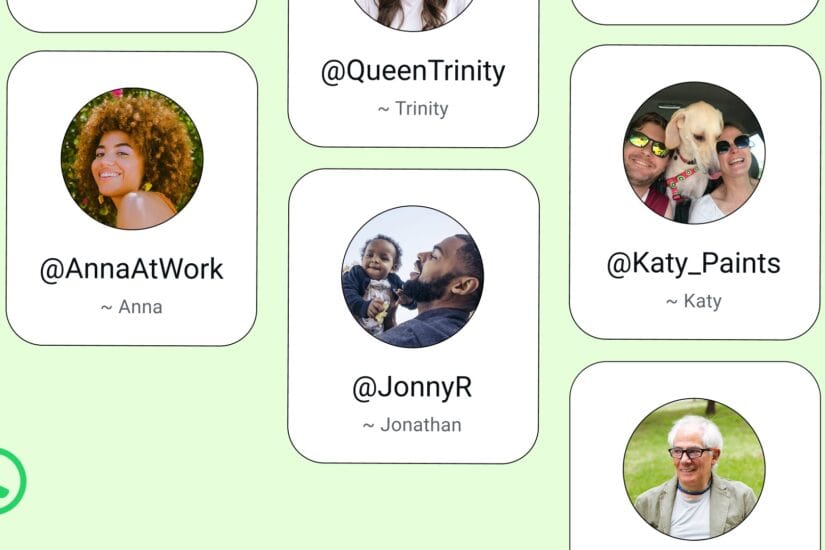
Here’s everything South African users need to know about how it works, who gets it first, and how to grab your handle. Picture: Meta Newsroom


WhatsApp users can now reserve a personalised username, marking one of the platform’s most significant privacy overhauls in years and bringing the world’s most popular messaging app in line with rivals such as Telegram and Signal.
The feature, which has been in development for several years, moved into wider testing in early 2026 before reservations opened broadly on 29 June 2026. A full, gradual rollout is expected to continue “later this year”, according to The Verge.
What’s changing and why it matters
For more than a decade, WhatsApp has tied every account to a phone number, meaning anyone who wanted to message you needed your number first. That’s about to change.
Going forward, users will be able to create a unique handle, in the familiar @username format, that strangers, new contacts and members of groups can use to find and message them instead of a phone number.
According to WhatsApp’s own FAQ page, people who don’t already have your number saved will see your username rather than your contact details, while existing contacts will continue to see things exactly as before.
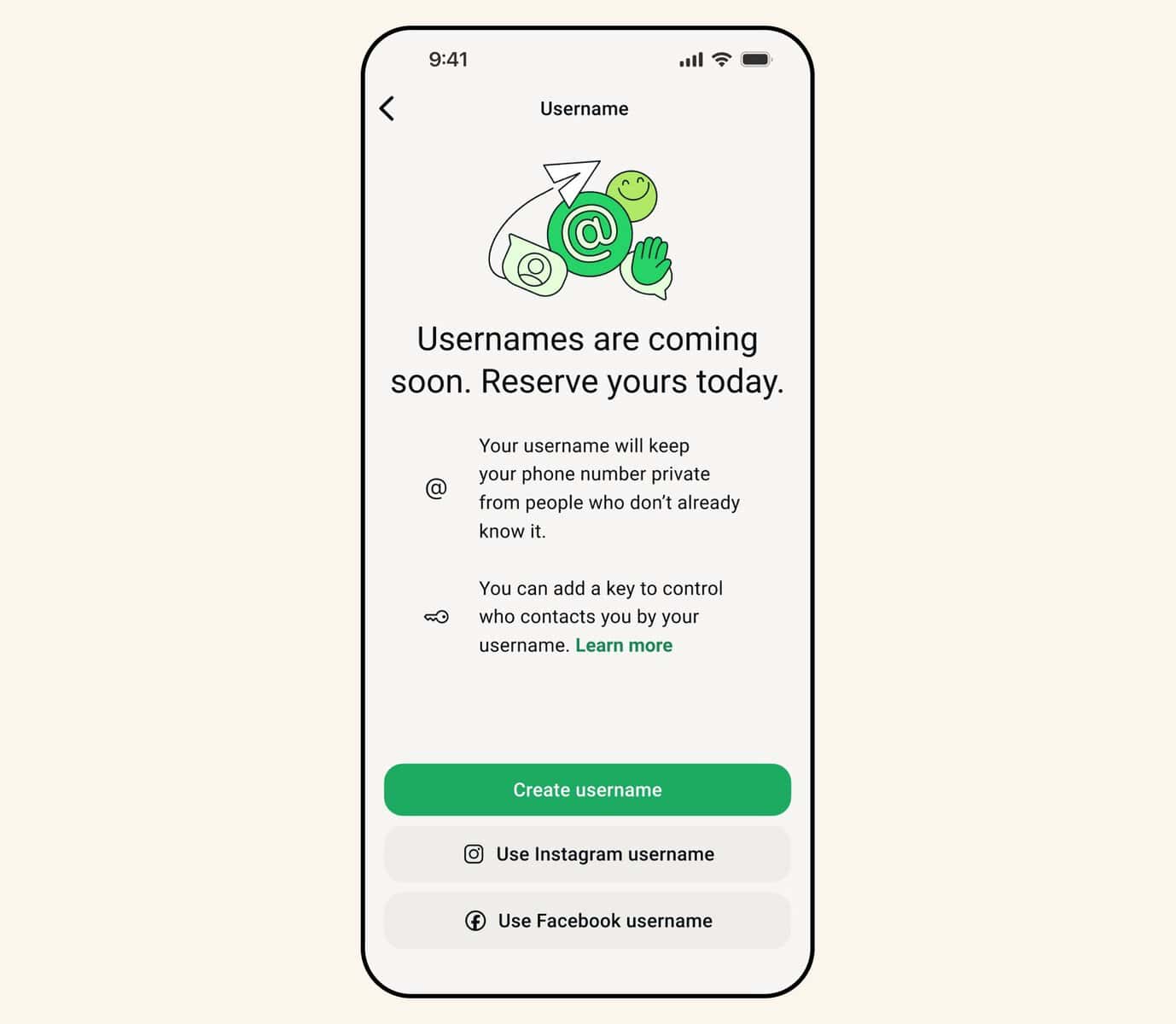
Crucially, usernames are entirely optional. Users who are happy with the status quo can simply continue using their phone number as they always have.
How it protects your privacy
The new system is built with spam and unwanted contact firmly in mind. Unlike platforms such as Instagram or TikTok, WhatsApp will not allow public username searches. As 9to5Google explains, a person will need your exact username – and, in some cases, an additional security code – before they can reach you at all.
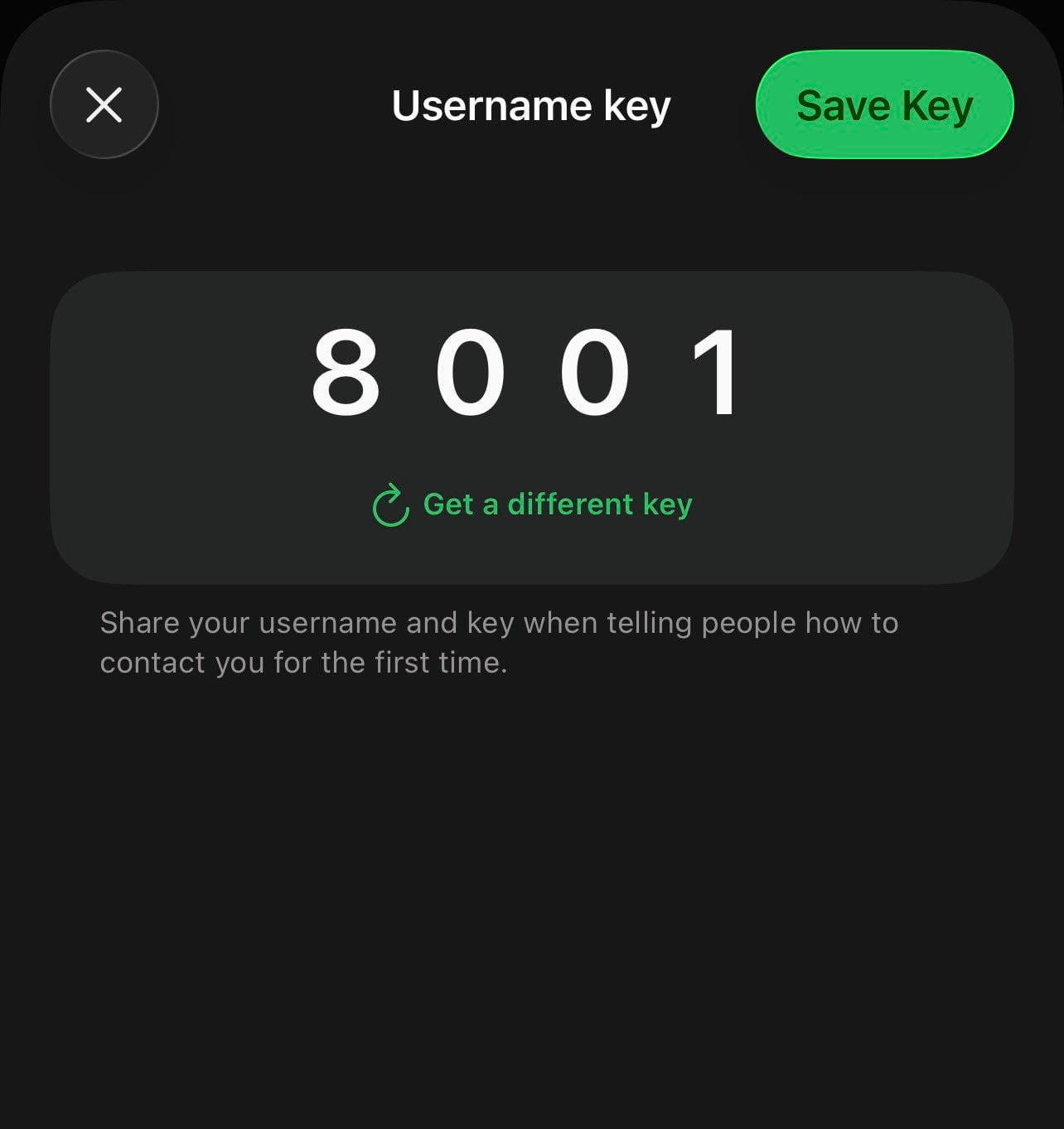
That additional layer comes in the form of an optional username key, a short code similar to a four-digit PIN. According to WABetaInfo, only people who have both your username and your key will be able to message or call you when you first connect, giving users granular control over who can get in touch.
End-to-end encryption remains unchanged across all chats and calls, regardless of whether a contact is reached via a phone number or a username.
When will South African users get WhatsApp’s new username feature?
There is no definitive answer for this as of 30 June 2026. The rollout is happening in phases, region by region, rather than all at once. TechRadar reports that reservations are currently open to anyone running the latest version of the app – meaning users can lock in their preferred handle now, even if the feature isn’t fully active in their country yet. WhatsApp will send a notification once the username function becomes usable on a given account.
Beta testers on Android and iOS began seeing early access from around April 2026, according to WABetaInfo, with the feature expanding gradually from there. For now, South African users are advised to update WhatsApp and reserve a username while it’s available, even if full functionality takes a little longer to land locally.
How to reserve your username
Claiming a handle is straightforward:
- Update WhatsApp to the latest version available in your app store.
- Open Settings > Account > Username (alternatively, tap your profile photo and select “Create username”).
- Enter your desired handle and save it.
Users can also import an existing Instagram or Facebook username via Meta’s Accounts Center, which 9to5Google notes is useful for creators and businesses wanting consistent branding across platforms, though it’s worth considering the privacy implications of linking accounts before doing so.
What makes a valid username?
Per WhatsApp’s FAQ, usernames must follow a specific format:
- Between 3 and 35 characters long
- Lowercase letters (a-z), numbers (0-9), full stops and underscores only
- Must contain at least one letter – numbers alone won’t work
- Cannot begin with “www.” or end in a domain extension such as “.com”
- Must be unique, with certain words and phrases restricted
- Some handles are reserved for verified businesses, government bodies and public figures
If your first choice is taken, WhatsApp’s built-in generator will suggest alternatives.
Changes and deletions are permitted, though limited, and a deleted username remains reserved for 14 days before it can be claimed by someone else. Usernames can transfer with a phone number change on the same device, but cross-device transfers aren’t currently supported.
What this means for businesses
Business accounts stand to benefit too. Useinvent reports that companies adopting usernames will gain improved discoverability and branding opportunities, although phone numbers may still display in certain contexts depending on settings. Behind the scenes, WhatsApp has introduced a new Business Scoped User ID (BSUID) system, with businesses required to update their backend systems for compatibility by around June 2026.
Privacy win or new risk?
Reaction to the update has been mixed. While many users have welcomed it as a long-overdue privacy upgrade, finally bringing WhatsApp closer to the contact-control standards set by Telegram and Signal, others have raised concerns that usernames could open the door to easier scamming or spam.