



Putting down the phone and taking up a hobby could benefit mental health more than endless scrolling. Here's why creativity restores the mind.
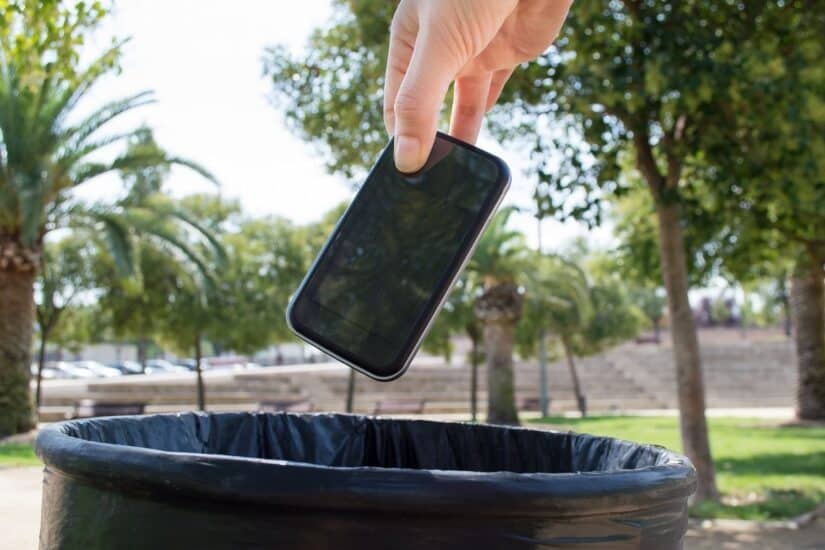
Is this the best form of self-care? Picture iStock


Self-care has become a billion-rand industry of supplements, skincare routines, mindfulness apps and expensive wellness trends.
Yet one of the simplest ways people are beginning to look after themselves is also one of the oldest.
Instead of spending another evening scrolling through social media or binge-watching television, many people are picking up paintbrushes, knitting needles, pottery tools or putting pen to paper and journalling instead.
Psychologist Elize Thesner said the growing appeal of creative hobbies hints at something many people have been missing.
While phones and streaming platforms promise relaxation, they often leave people feeling mentally depleted rather than restored.
Creative activities ask something very different of the brain. They require focus, participation and imagination instead of passive consumption.
“Scrolling trains the brain to expect frequent small rewards,” Thesner said. “What begins as passing time can become lost time through intermittent reinforcement, similar to how gambling machines work.”
She said repeated scrolling creates constant dopamine releases that can make social media difficult to put down. Over time, excessive exposure to online content may contribute to cognitive overload, poor concentration, anxiety, depression, disrupted sleep and lower self-esteem.
“Instead of switching off after a demanding day, many people unknowingly replace one source of mental stimulation with another.
Devices and scrolling are not chilling
Creative hobbies produce almost the opposite effect, Thesner said.
Whether someone is writing, painting, gardening, making pottery, or returning to a childhood pastime, the brain begins to engage in ways that encourage restoration rather than exhaustion.
“When we engage in hobbies, especially nostalgic childhood activities, the brain helps calm the body through parasympathetic activation, allowing joy and relaxation to emerge,” she said.

A substantial part of this kind of mental wellness benefit comes from what psychologists call a state of flow.
It is the point where people become so absorbed in an activity that time almost seems to disappear.
Instead of constantly flik flakking attention between notifications, emails and distractions, the mind becomes fully occupied with a single creative task.
“We remain focused without forced effort and enjoy the activity, which releases dopamine and creates a positive sense of reward,” Thesner said.
Creativity may also help people deal with emotions that are difficult to explain. Stress, grief and anxiety are not always easy to express in conversation, but they can often be explored through art, writing, music or other creative outlets.
Thesner said engaging the senses helps calm the nervous system while creating enough emotional distance for reflection to become easier.
“Painting can make emotions visible and tangible,” she said. “Instead of relying only on words, colours, shapes, textures and surfaces can be used to express and process grief, stress, and anxiety.”
Hobbies help to express emotion
She said creativity also gives people something else, something that many of us struggle to find in busy modern lives.
“A renewed sense of identity. Years of careers, caregiving and everyday responsibilities can gradually push personal interests aside, Thesner said.
“Returning to hobbies enjoyed as children often reconnects people with forgotten passions while reminding them of parts of themselves that have been neglected.”

The trend, likely running a mean parallel to the Gen Z return to analogue, may also explain why creative workshops and hobby groups continue attracting growing numbers of adults.
While self-care is often viewed as a solitary activity, Thesner said making something alongside other people can strengthen trust and connection even when there is very little conversation.
“When hobbies are shared with others, oxytocin is released, and interpersonal connection is strengthened through trust,” she said.
Although research supports the mental health benefits of creativity, Thesner cautioned against viewing hobbies as a cure for psychological illness.
Studies continue to link creative activities with lower stress levels, healthier brain function, and improved emotional well-being, but they work best alongside healthy lifestyles and, where necessary, professional mental health care.
“It is not a quick fix and may take time before the full benefits are experienced,” Thesner said. “If a person’s brain health is neglected, the mind will struggle to thrive.”


