
Huawei was acquitted of the more serious racketeering charge.
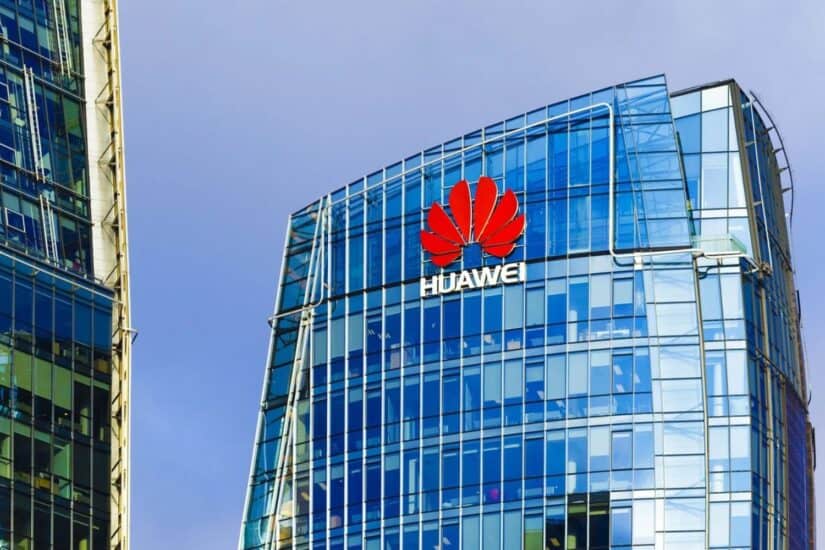
Vilnius, Lithuania – November 21, 2017: Huawei headquarter office building in Vilnius. Picture: iStock.


Huawei has rejected a landmark US court verdict that found the Chinese telecommunications giant guilty of trade secret theft and fraud-related offences, vowing to challenge what it described as a baseless conviction.
However, the Chinese company was acquitted of the more serious racketeering charge on Tuesday.
The acquittal “confirms that these allegations lack factual basis”, Huawei said in a statement.
Arguments
Huawei’s defence team argued that US prosecutors had wrongly portrayed the company as a criminal enterprise from the outset, insisting its success was built on research, development and technological innovation rather than unlawful conduct.
The company described the racketeering acquittal as a significant vindication and said the broader case against it lacked both legal and factual merit.
“The US charges are without legal or factual merit,” Huawei said. “We will thoroughly review the relevant verdicts and take all necessary legal actions to defend our rights and interests.”
Conviction
Huawei, the world’s leading telecommunications equipment manufacturer, was convicted in a New York federal court after a three-month trial.
Jurors found the company guilty on 10 of the 12 criminal counts it faced, including bank fraud, conspiracy to steal trade secrets and conspiracy to defraud the United States.
US authorities hailed the conviction as a decisive victory against corporate misconduct and a warning to foreign companies accused of undermining American interests.
“This verdict sends an unmistakable message: America will defend its businesses, protect its workers and safeguard its national security against corrupt foreign corporations that lie, cheat and steal to get ahead,” said Assistant Attorney General Tysen A. Duva, according to AFP.
Clash with US and Trump
The ruling marks the latest chapter in Huawei’s long-running clash with Washington.
Huawei has been a frequent target of the Trump administration, which has repeatedly raised concerns that the company’s equipment could be used to facilitate espionage on behalf of the Chinese government, allegations Huawei has consistently denied.
Those concerns have shaped US policy for years, with Washington urging allies and partner nations to exclude Huawei technology from the rollout of next-generation 5G mobile networks, arguing that critical telecommunications infrastructure should not be exposed to potential foreign state influence.
Diplomatic storm
Federal prosecutors first unveiled their case against Huawei in 2019, months after the high-profile arrest of Huawei executive Meng Wanzhou in Canada on a US extradition request.
The arrest triggered a diplomatic storm between Washington, Beijing and Ottawa, thrusting the Chinese technology giant into the centre of an escalating geopolitical dispute.
Also known as Cathy Meng and the daughter of Huawei founder Ren Zhengfei, spent nearly three years in detention in Canada before returning to China in 2021 under an agreement with US prosecutors, bringing one of the most closely watched legal battles in the US-China technology rivalry to a dramatic close.