



The notion of Soft Life is a myth. The idea has been sold as something aspirational, a carefully curated existence...
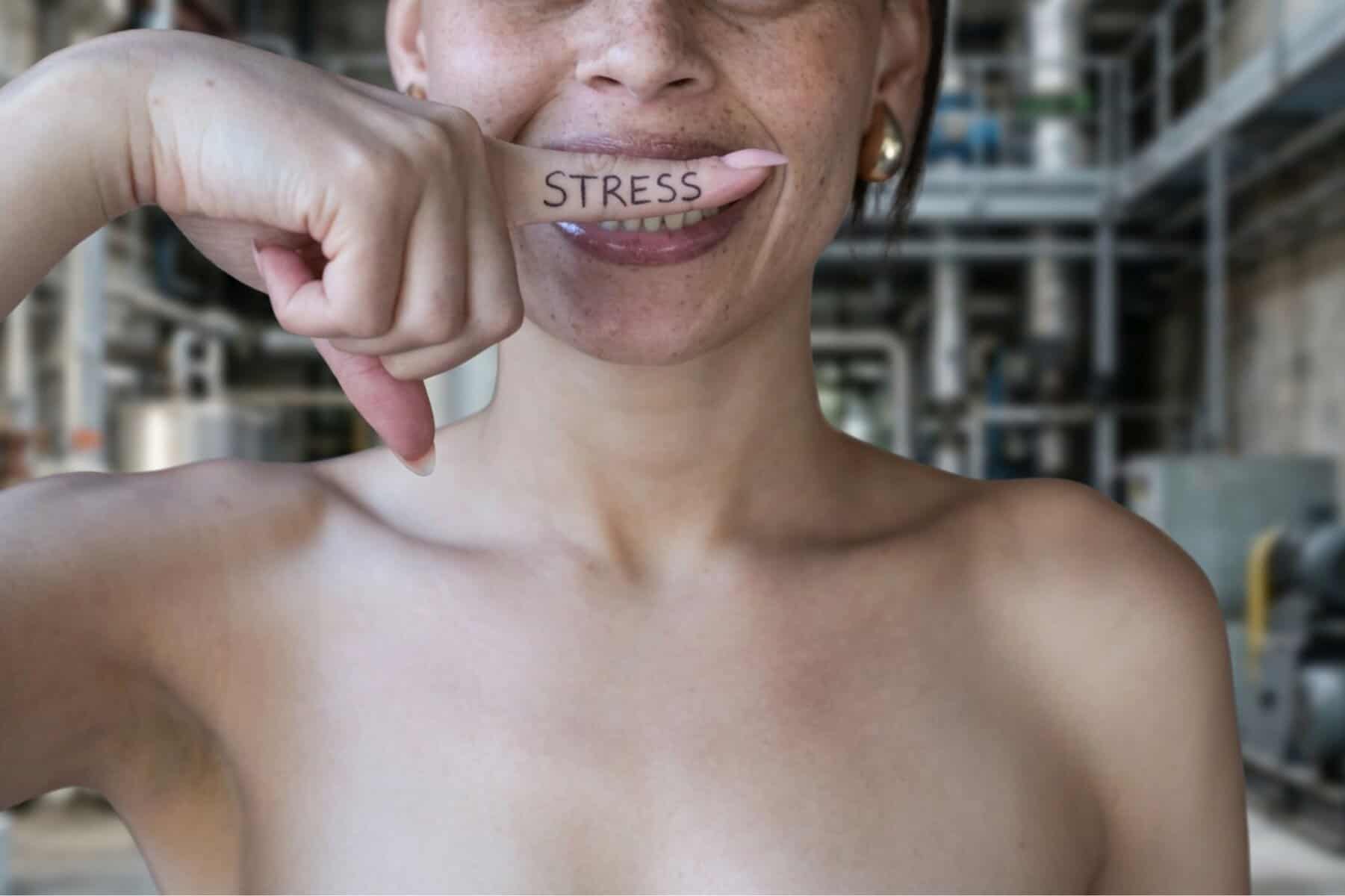
Stress is not conducive to the Soft Life aesthetic. Picture Supplied


The notion of Soft Life is a myth. The idea has been sold as something aspirational, a carefully curated existence of rest, balance and ease. Scroll through social media and it looks almost effortless.
Calm mornings, slow living, boundaries firmly in place. Yet for many working professionals, this kind of life exists somewhere between fantasy and marketing gobbledygook. The reality, according to social worker Ingrid Pollak of Inner Essence, is unpolished, gritty and exhausting.
Pollack said because she works with the lived experiences of professionals across different backgrounds, religions and industries, she sees a pattern that cuts across all of them. “They all experience the same thing,” she said. “They are overworked and expected to be on call 24 hours a day, 365 days a year.”
Even time off offers little relief. Leave, she said, often exists more on paper than in practice. Employees step away from the office but not from their responsibilities. Laptops travel with them, phones remain within reach, and messages marked urgent continue to arrive.
“They officially go on leave, but they are still working while sitting on the beach or in their hotel or holiday home,” she said. “The whole concept of the Soft Life sits uneasily against that backdrop,” Pollak added and questioned where the whole idea cam from in the first place.
Where did it come from in the first place?
There is a more traditional way of doing things. “It’s a far older and simpler model of balance. People are supposed to work for eight hours and stop working, have eight hours of sleep, and eight hours of leisure time with family and friends,” she said.
That structure, once seen as a reasonable division of a day, has steadily eroded under modern work demands. In its place, Pollack said that she a system that extracts as much as possible from employees while offering little in return.
“Companies treat their employees like dairy and slaughter cows,” she said. “They will take whatever they can from them, and once they no longer have value, they will fire, retrench, or retire them.”

The consequences of an imbalanced life are very real. Patients in Pollak’s practice speak openly about burnout, describing long hours that stretch late into the night and workloads that leave little room for recovery. The expectation to perform remains constant, regardless of the cost on the indvidual.
“Although wellness is a personal responsibility, once an employee signs a contract, it is as if they have signed their lives away,” she said.
Employers, said Pollak, rarely take responsibility for the strain placed on their staff. Instead, the burden is placed onto the individual. If performance dips or exhaustion shows, the solution is framed as self-improvement rather than structural change in a company.
“Employees are expected to seek help, recover quickly and return to full productivity, often at their own cost,” she said and added that this kind of pressure feeds directly into the broader wellness conversation, which Pollak believes has become distorted. The idea that wellness is a lifestyle choice, something to be curated and displayed, simply does not align.
“Wellness is not a lifestyle. It is a basic need,” she said.
Wellness is a basic need
Step counts, body mass index targets and other benchmarks have also turned wellbeing into something measurable and, in many cases, unattainable. “If a person does not reach ten thousand steps a day, it can lead to anxiety,” she said.
“People start to berate themselves for not reaching goals imposed on them.” The result is a cycle where individuals feel they are failing at wellness while operating within conditions that make genuine rest almost impossible. That disconnect, she said, is not harmless. It adds another layer of pressure to lives already stretched thin.
In South Africa, the pressures people experience are compounded by everyday challenges that sit well outside the workplace. Load shedding, water interruptions and deteriorating infrastructure form part of daily life, yet expectations at work remain unchanged. “People still have to arrive on time, behave professionally and deliver at a high standard,” she said.
Also Read: The perfect body image for men is becoming a dangerous
Because of all of the direct and ancillary pressure, the idea of a soft life risks becoming something else entirely. It can begin to look like a privilege reserved for a few, rather than a basic standard of living that should be accessible to all.
“It is marketed in a way that makes people feel it is something only some can achieve,” Pollak said, adding that the issue is far more urgent than any trend suggests.
“Burnout,” she noted, “does not resolve itself in a matter of days. Recovery can take months or even years, often requiring professional intervention. The expectation that individuals can simply reset and return to peak performance ignores the depth of the problem.”
Now Read: Why suicide remains a difficult truth to understand
Support Local Journalism
Add The Citizen as a Preferred Source on Google and follow us on Google News to see more of our trusted reporting in Google News and Top Stories.

