Education 2025
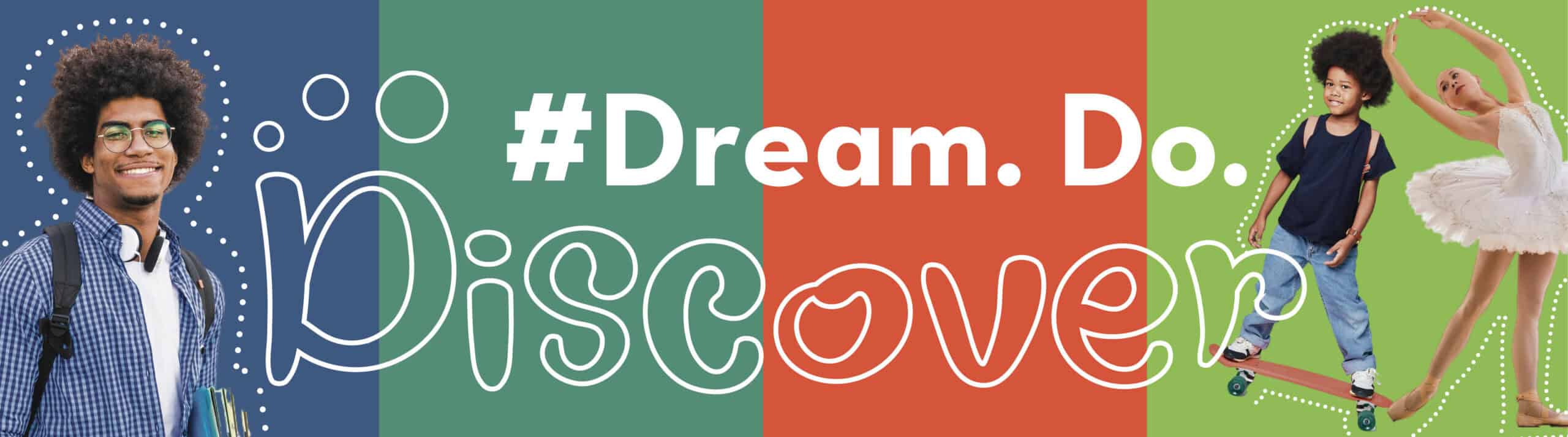
A bridge to a brighter future
Education is widely recognised as a cornerstone of personal growth, economic development, and social progress.
The promise of knowledge carries unique significance, it is a tool to break cycles of poverty, empower communities, and connect young people to opportunities both locally and globally.
At its heart, education is more than the acquisition of facts.
It builds critical thinking, creativity, and problem-solving, all qualities that shape adaptable, confident adults.
School provides structure, mentorship, and exposure to ideas beyond the immediate environment of a child. In rural parts of the Lowveld, where agriculture still dominates, education equips students with practical skills for farming, eco-tourism, and local entrepreneurship, helping them build futures rooted in both tradition and innovation.
Formal education, offered in primary and secondary schools, focuses on literacy, numeracy, sciences, arts, and culture.
These subjects form the foundation of versatile, employable individuals who can navigate a changing world. Vocational and technical education is also gaining traction, with training in agricultural sciences, carpentry, hospitality, and IT helping bridge the gap between school and the workforce. Informal education, including community-based programmes and online learning, extends access to those who missed out.
Literacy programmes, computer classes, and life-skills workshops are vital for adults and youth alike, often supported by NGOs and local government initiatives. These bring education directly to communities that face challenges such as limited transport, infrastructure, or financial resources.
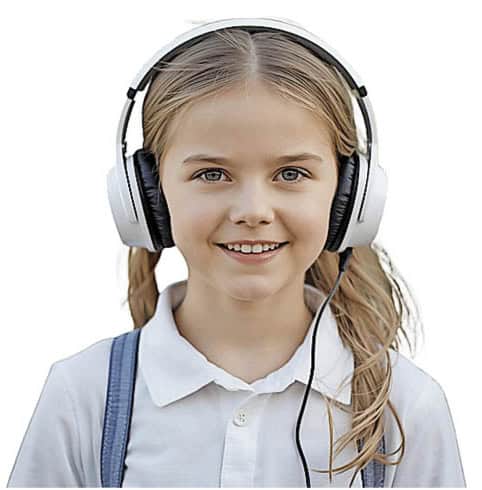
Bullying and cyberbullying
Beyond academics, schools must also be safe havens. Bullying, whether physical, verbal, or emotional, can have lasting effects on confidence and learning.
Today, cyberbullying has become just as harmful, reaching students through phones and social media.
Schools and parents play a critical role in creating awareness, encouraging open conversations, and teaching digital responsibility.
A culture of kindness, respect, and accountability helps ensure that every learner feels seen and supported.
Exam prep
As exam time approaches, anxiety can run high.
Encouraging healthy study habits, such as regular breaks, balanced meals, and consistent sleep, helps learners perform their best.
Teachers and parents can support students by setting realistic expectations, creating calm study spaces, and promoting time management over last-minute cramming. Success in exams is built not on stress, but on preparation and balance.
Eye and ear care
Healthy learning depends on more than textbooks, it also relies on good eyesight and hearing. Undetected vision or hearing problems can cause children to fall behind in class. Regular eye tests and hearing checks are essential; especially for younger learners who may not realise they’re struggling. Early detection makes a remarkable difference in a child’s confidence and performance at school.
Teen skin care
Adolescence often brings challenges with skin health. Hormonal changes can trigger acne, oiliness, or sensitivity, which can affect self-esteem. Gentle cleansing, hydration, sun protection, and avoiding harsh scrubs can help keep skin clear and healthy. Encouraging teens to adopt a simple, consistent skincare routine can promote both confidence and good hygiene habits for life.

Education as empowerment
The importance of education cannot be overstated. It empowers individuals to improve their livelihoods, reduces inequality, and fosters social cohesion. Schools serve as gateways to opportunity, shaping future leaders and innovators. Educated youth are better equipped to access higher education, secure meaningful work, and contribute to their communities.
The Lowveld is home to countless stories of resilience and hope, teachers going the extra mile, parents investing in their children’s dreams, and local organisations linking schools with businesses to provide mentorship.
Technology, too, is opening new doors, bringing global knowledge into even the most remote classrooms.
 Ultimately, education is about cultivating potential and confidence.
By investing in learning, nurturing well-being, and supporting the whole child, mind, body, and spirit, the region can harness the power of knowledge to transform lives.
For our youth, education remains a beacon of hope and a bridge to a brighter, more equitable future.