Lowveld Kids – Out and About

What can I do to not just keep the kids occupied, but also provide them some intellectual and emotional stimulation and support?
It is an age-old question. It is also still relevant in a modern society where children are bombarded with smart technology and the obsessive demand for instant excellence and gratification.
Some psychologists and child development experts may well agree that child’s play, in nature, and shared with other children, provides near-perfect stimulation and social skills development. Others disagree, citing that the modern demands of a society saturated with competitive practices and fast-pasted technological advances, dictates a paradigm shift towards preparing children and young adults for life.
Let’s get our teeth into the really important kids stuff – entertainment and adventure in the broadest sense of the word.
Mpumalanga, it seems, considering the advertising companies on this page, can be considered the cradle of adventure opportunities. And if you cannot decide what to do, grab a cuppa, invite the kids for a real one-on-one chat and encourage curiosity and questions. Involve their friends and their parents as well, as this will also take the load off one parent doing everything. Involving friends will probably ease buy-in from all involved.
Jean Piaget identified three stages of play: practice play, symbolic play and games with rules. Keep this in mind and try to accommodate the children’s different preferences. This is important, as it will teach children to consider the needs, skills and abilities of others and thus develop their ability to work within a group.




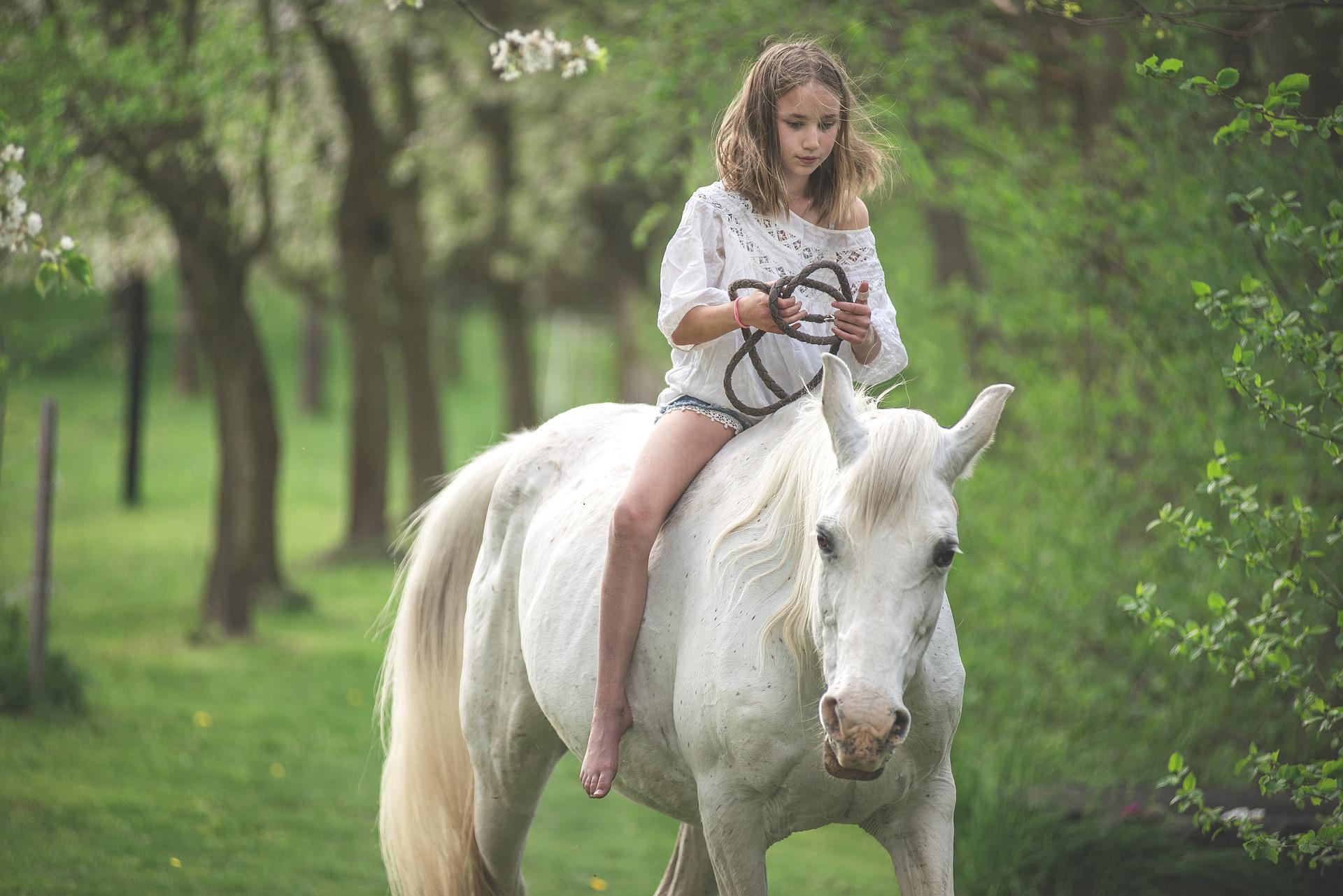
Things to consider when planning outdoor activities:
• Safety
• Supervision
• Hydration and food
• Emergencies
• Prepare for a change in the weather
• Be flexible
• Allow for lots of fun
• Although important to group different ages together, some activities should cater for a mix of age groups
• Plan some indoor activity even if outdoor is the main focus





Remember, outdoor activities develop stamina, confidence and independence, and allow kids to take risks. It also develops social and moral frameworks within which kids learn to become emotionally intelligent.
If you need to keep kids occupied over an extended period or a long weekend, ensure that you take them to a different location each day. It may also prove productive to explore not just the fun activities on offer, but also to introduce them to local museums, art galleries and more.
At the end of each day, gather them around and encourage them to share their impressions of the day’s activities with you. This is important even if you were supervising them throughout the day. It will provide you with insight as to how you should perhaps adjust your initial programme to provide more of what they enjoyed most.
Kids live in the moment, and whatever activities you have planned on a particular day, should be age-appropriate and allow for both activity and some downtime, during which kids will be able to reflect and process their experiences.
Good. Now it’s time to start planning…