Vietnamese delegation visits rhino carcass
Questions about the use of rhino horn in Vietnam were answered by a delegation from this country on a visit to the Kruger National Park this week.
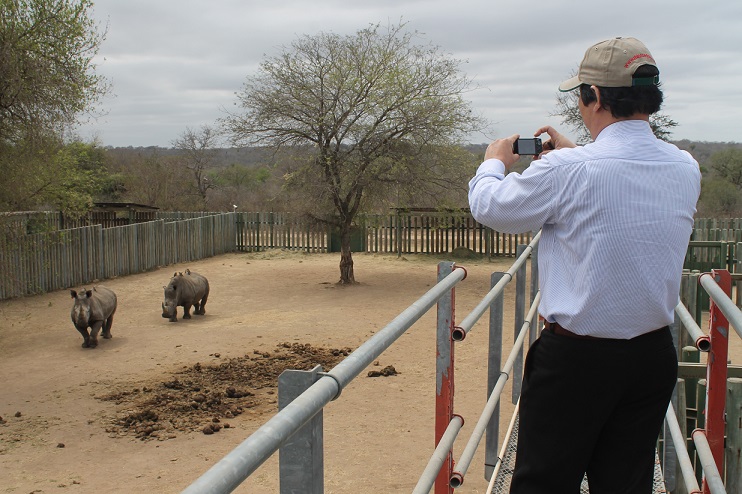
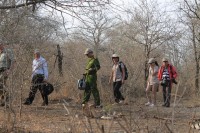
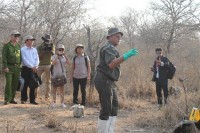
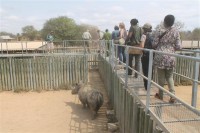
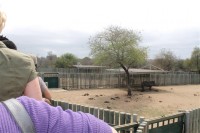
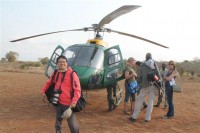
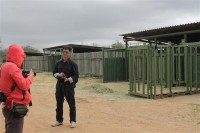
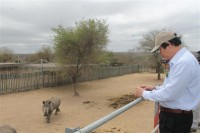
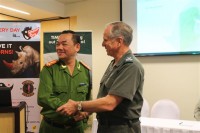
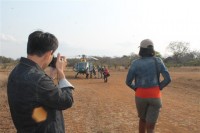
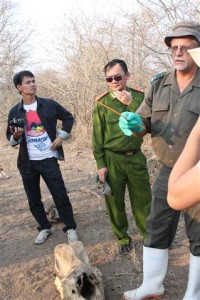
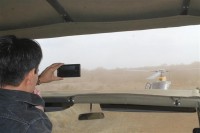
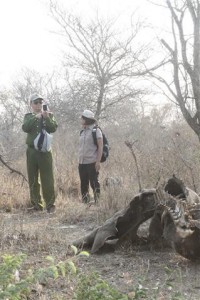
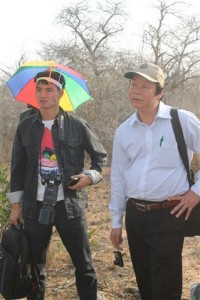
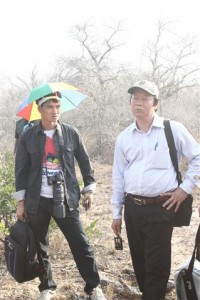
SKUKUZA – The Vietnamese are not convinced that their country is the top consumer of South Africa’s poached rhino horn. A delegation from the country visited the Kruger National Park (KNP) this week. This is apparently the first visit of its kind to the park. The group, consisting of a member of the Vietnamese National Assembly, the vice-chief of environmental police, a popular television star and representatives of Education for Nature Vietnam (ENV), a non-profit organisation, was hosted by the Rhinose Foundation.
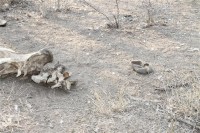
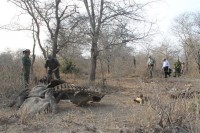
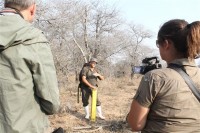
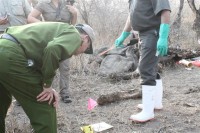
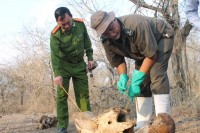
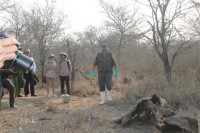
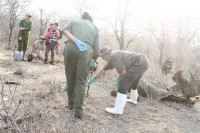
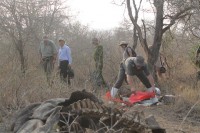
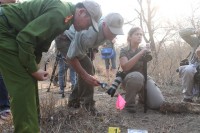
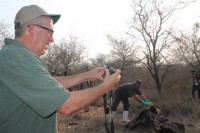
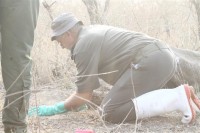
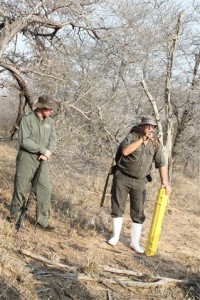
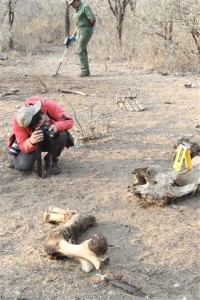
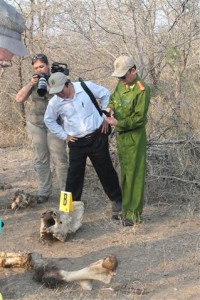
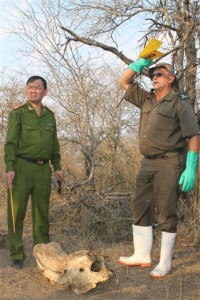
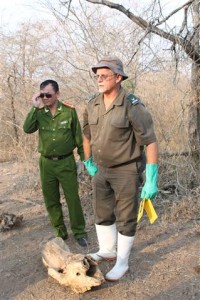
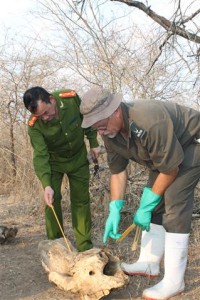
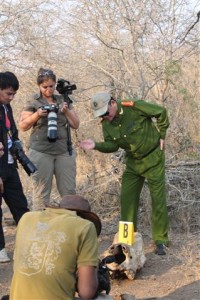
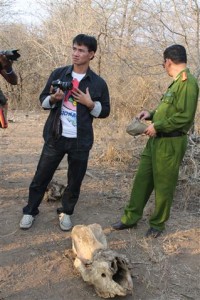
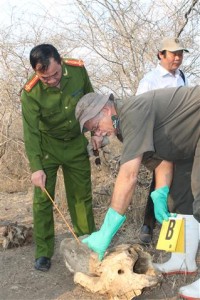
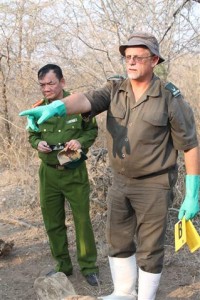
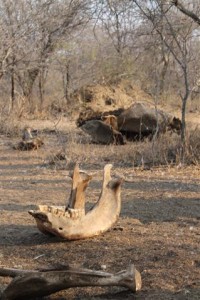
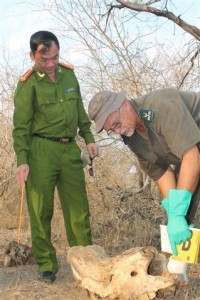
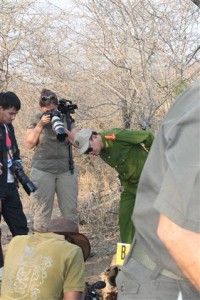
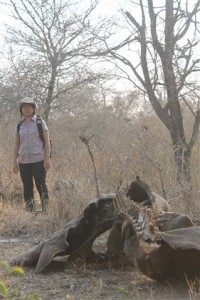
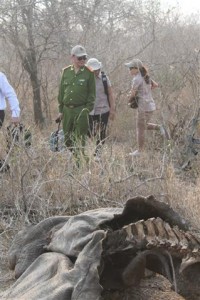
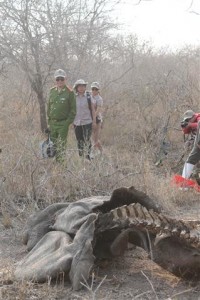
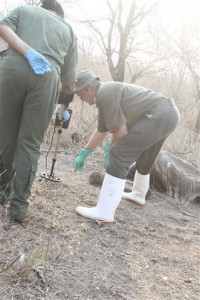
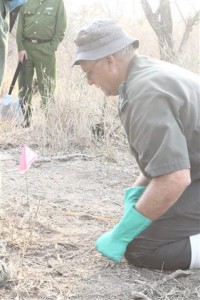
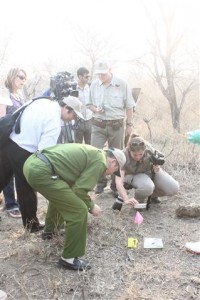
The tour included a visit to the scene where a rhino was slaughtered on August 28, and its horn hacked off.
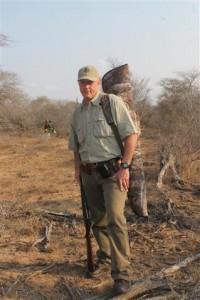
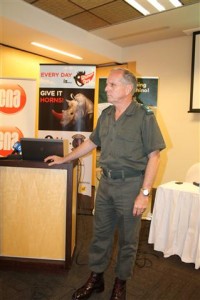
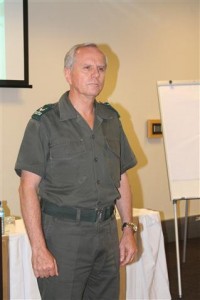
Gen Johan Jooste, head of SANParks anti-poaching operations, put the situation into context for the visitors. He described South Africa’s rhino as the “last cache of this natural asset” and spoke of a crime network involving syndicates that can deliver a horn poached in the KNP to Vietnam within 48 hours.
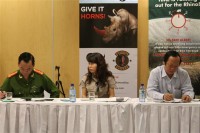
Col Tien Nguyen, vice-chief of the Vietnamese Environmental Police, asked Jooste what basis there was for the commonly held belief that they were the principal consumers of rhino horn in the world. Nguyen and Mr Nhan Vo, a member of the Vietnamese National Assembly, also asked whether South Africa had conducted studies on the efficacy of rhino horn in treating illnesses. Vo said it would be helpful if the country put pressure on the World Health Organisation to publish an announcement stating that there was no scientific proof of rhino horn possessing any medicinal value.
He confirmed that his government had initiated an awareness campaign to prove that rhino horn had no magical power to treat cancer or fevers; to educate citizens about the legal consequences of trading in an endangered species and to negate the belief that the use thereof ensured a higher social status.
“It is actually not so much about the belief that it can cure cancer, as it is of enhancing your social standing in this developing economy,” another member of the group explained. According to him, campaigns in Vietnam aimed at curbing the demand are built around the idea that it is not a status symbol. Using the animal welfare or environmental angle has had no effect on the current consumer market, he said. They may have better luck in instilling environmental consciousness among the younger generation, because this demographic has demonstrated a greater empathy for nature, in his opinion.
Members of the media used the opportunity to ask about the use of rhino horn in Vietnamese society, and the legislation around this issue. Using it is not illegal. Trade, however, is and perpetrators face a maximum sentence of five years’ imprisonment or a US$25 000 fine. “It is a very small percentage of society that can afford rhino horn,” said ENV volunteer worker Ms Thao Ninh. It currently trades at US$5 000 per 100 gram. One horn weighs from three to four kilograms.
Vo assured that the government adhered to the Convention on International Trade in Endangered Species of Wild Fauna and Flora regulations and cooperation between the SAPS and Vietnamese police was crucial.
Up to 15 different poacher groups have been found in the KNP on a single day, according to Mr Ken Maggs, head of the KNP anti-poaching forces. Eighty per cent enter the park from Mozambique. Most of the horn is smuggled into Vietnam via Mozambique, Jooste confirmed. Nguyen admitted that more concerted efforts were needed on their side to detect, and confiscate this type of contraband and to arrest smugglers.
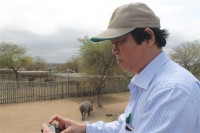
Mr Bac Nguyen, an actor who feels strongly about the conservation of the rhino, joined the delegation and expressed his commitment to stop the abuse of rhino horn. “We are serious about this problem, which is why we are here,” he said.
South Africa and Vietnam signed a memorandum of understanding in December 2012, to explore ways of working more closely on environmental issues, particularly in respect of sharing information and best practices in the field of the environment.
At the scene of the crime
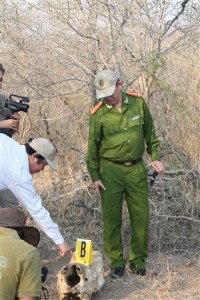
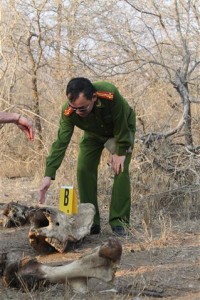
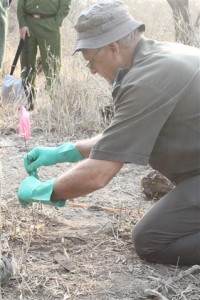
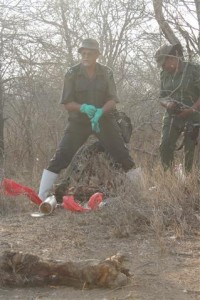
“Oh my g*d!,” one of the visitors exclaimed at the crime scene, upon hearing about the slaughter of rhino calves that try to hide behind their mother’s legs during an attack. “Being on a scene like this and seeing the effort the crime-scene investigation (CSI) team takes to process the scene, strengthens our resolve to do something about this issue,” said Ms Sung Nguyen, vice-director of ENV.
The colonel, dressed in his official uniform, told television crews that the delegation understood the problem and that Vietnam was committed to implementing local campaigns to curb the demand for horn.

Bac Nguyen was visibly shocked, and asked CSI Mr Kobus de Wet if the rhino was “young like me”. Nguyen said he was planning a special television programme to address the issue. He boasts about half a million followers on Facebook and is popular not only in Vietnam, but in neighbouring countries too.
De Wet describes some of the most heartbreaking rhino-poaching scenes he has encountered in the KNP: