HAZYVIEW – Twenty-four patients with suspected malaria were admitted to Matikwane Hospital in Mkhuhlu two weeks ago. Although 15 of them tested positive for the disease, the health department says there is no reason for concern.
In addition, eight patients were admitted to Mediclinic Nelspruit, of which one died. He was Mr Theo Henric van Rij (40) of Nelspruit. He most likely contracted the disease in Xai Xai, Mozambique, where he did missionary work.
According to Ms Robyn Baard, spokesman for Mediclinic, they admitted one person with malaria in September. The patient was a resident of Komatipoort and had travelled to Mozambique.
The seven who were treated for malaria in October, included one who lived in Shongwe Mission and visited Nkomazi; two lived in Nelspruit of which one visited Mozambique and the other worked in Sierra Leone. The fourth patient lived in Uthokozane and worked at the Mozambican border. Van Rij was the fifth patient to have been admitted.
The sixth patient lives in Tonga and visited Mzinti near Komatipoort. The seventh patient was also a resident of Nelspruit and visited Mozambique.
The patients who were admitted to Matikwane were all of Cork, Lillydale, Goromane Trust, and Buyisonto outside Thulamahashe. Spokesman for the health department, Mr Ronnie Masilela, could not say whether they had travelled to Mozambique.
Although no deaths had been reported at Matikwane, the department was waiting for the results from a post-mortem which had been conducted on one of these patients.
According to reports in other media, Mr Vuyani Nkuna (43) of Goromane Trust was admitted to Matikwane on October 22. “My husband started sweating the day before and told me he was weak and had a headache,” said Ms Nopinki Bikisha (44), wife of Nkuna.
“I took him to a clinic outside our village the next morning. An ambulance was then called to take my husband to Matikwane. That night he was transferred to Themba Hospital in KaBokweni. The following day he passed away.”
Masilela, confirmed that they are waiting for the results from his post-mortem. “We do not want the public to be alarmed by these cases as we have malaria under control in this province,” he added.
“The statistics speaks for themselves. The outreach teams and other health workers are all over Mpumalanga educating people about the symptoms and related topics. The department advises the community to be aware of symptoms such as headaches, muscle aches, tiredness, diarrhoea and vomiting – especially in children. Should such present themselves, it is best to immediately go to the nearest clinic for assistance.”
The South African National Department of Health Malaria Control Programme reported the number of cases in January 2012 as 2 267 with 16 deaths, and in February 2012 as 968 cases with 10 deaths.
A total of 67 per cent of February cases came from the endemic malaria regions of Mpumalanga, KwaZulu-Natal and Limpopo, mainly in travellers.
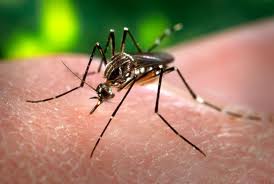
Malaria is a mosquito-borne disease caused by a parasite. It is not transferable by casual contact with a malaria-infected person such as sitting next to a person who has been infected. If not promptly treated, the infection can become severe and may cause kidney failure, seizures, mental confusion, coma and death. There are many effective anti-malarial drugs available.