Quaint village faces a sewerage problem
Kaapsehoop faces a major problem with the sewage system and yet nobody knows who actually has to address this problem.
KAAPSEHOOP – This small picturesque town faces a major problem with its poor sewerage system, yet it seems as if nobody knows who actually has to address this problem.
Residents are paying property and land taxes to Mbombela Local Municipality (MLM), but the town is not being serviced by it. They solely rely on ground water for domestic use and receive electricity via an Eskom farm connection.
Ms Bessie Pienaar, communi-cations officer at MLM, confirmed that no services were being rendered to the town and its residents, but that it should happen as soon as possible.
Infrastructural needs like rubbish removal, clean-ups and sewage were every residents’ own responsibility. It was also their duty to build their own French drains for waste water and sewage.
People who plan to build a house or other structures must submit, with building plans, the plans for a French drainage system to the municipality, before the green light is given for any construction to commence.
In the past, however, there were no regulations that local residents had to adhere to while building their own drains.
The ever-increasing number of visitors to Kaapsehoop has put pressure on these sewerage systems and this has led to some waste-water-contaminated streams meandering through the town and also into natural dams where water filters through the sandstone beds into the underground aquifers.
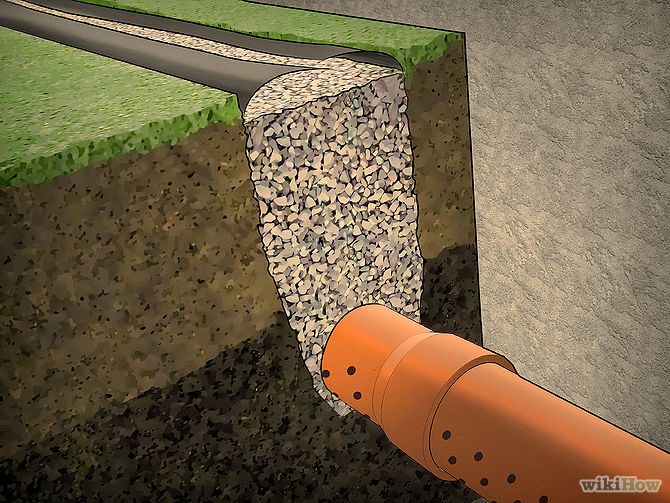
A French drain was invented in the 1860s in the USA by Henry Flagg French.
It consists of a fairly deep hole or pit that is filled with big to smaller sandstone rocks from the bottom up.
Solids stay inside the pit and the water would eventually seep into the ground.
Bacteria is put inside the pit to assist with dissolving of all the solids.The pit has no lining on the inside.
Kaapsehoop is situated on the Highveld escarpment north-west of Mbombela.
The town’s name was derived from the gold that was discovered there in 1882 and gave the early inhabitants of the De Kaap Vallei (Cape Valley) some hope of riches.
However, the town soon experienced an exodus of people attracted to larger and more profitable findings in Pilgrim’s Rest and Johannesburg.
It was only in recent times that the town was “redis-covered” and has now become a popular weekend retreat.
The majority of the 120 permanent residents operate bed and breakfasts or restaurants catering for the large number of tourists.
The village is situated within the montane grasslands, and is specifically trying to protect the critically endangered blue swallow.
The surrounding creeks house forests of South Africa’s national tree the yellowwood and are rich in biodiversity.
Ms Eleanor Eybers has lived in the town for many years and wants other South Africans to experience the nature and adventures that Kaapsehoop has to offer.
But the upgrades and improvements to the existing sewage systems are long overdue and the failure of this system might just hamper her dreams!
Ms Annemarie van der Walt is on the town’s informal committee, and she says there have been talk about development funds, but since then nothing has happened.
As far as she is concerned, an area has been earmarked for a sewerage facility but no plans have been submitted to locals.
They are all hoping that the building of this facility will commence before the waste engulfs them all.