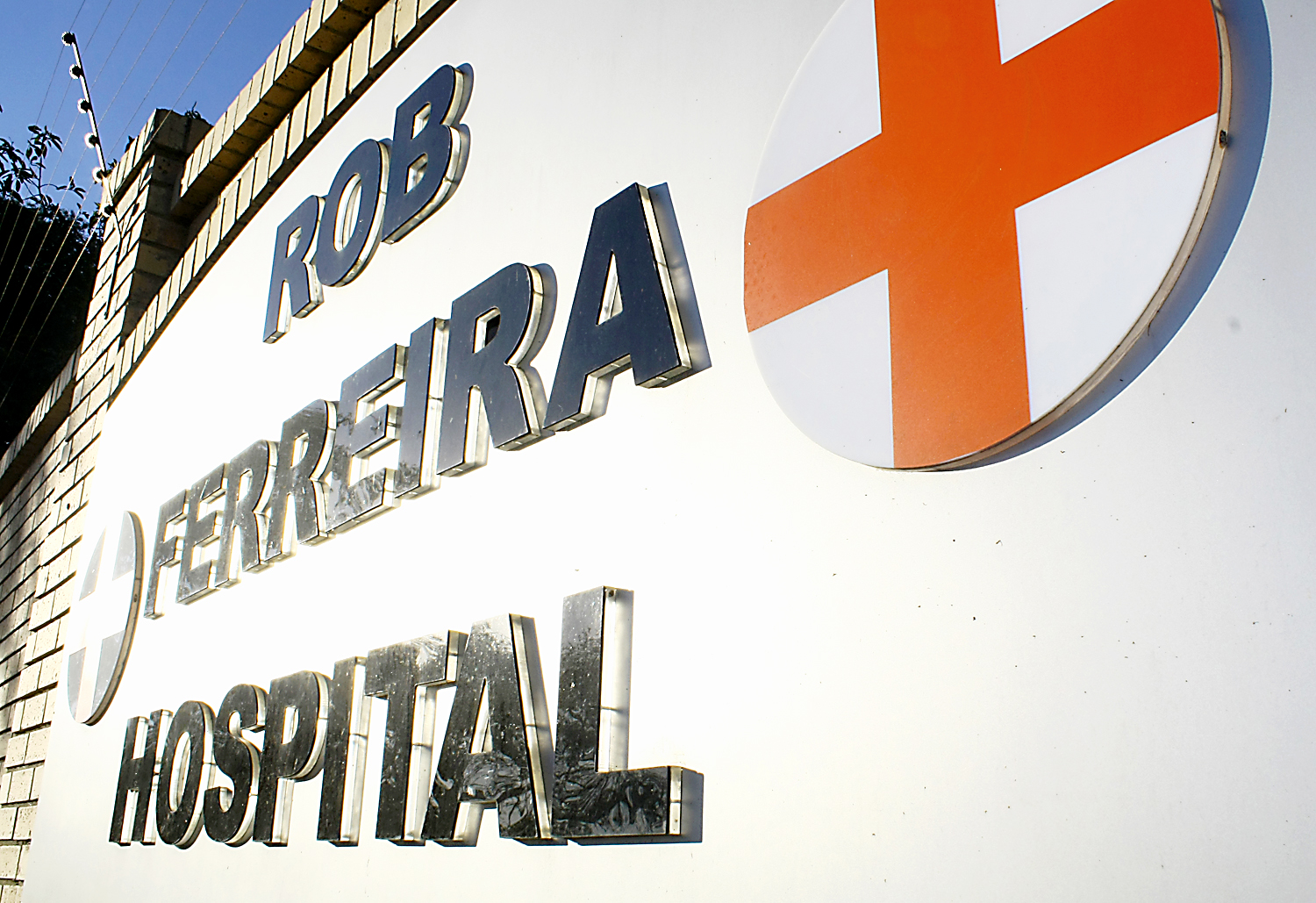
MBOMBELA – The provincial Department of Health isn’t fazed at all by the fact that the DA has rated Rob Ferreira Hospital the second worst hospital in the country.
The opposition party embarked on a nationwide oversight tour to nine hospitals in the various provinces to assess basic conditions, staff and medicine shortages as well as the effect of load-shedding on service delivery.
Pelanomi Hospital in Bloemfontein has been ranked the worst, followed by Rob Ferreira. The DA released a report with the findings of their visits this week. In elaborating on what they found at Rob Ferreira, reference was continuously being made to previous Lowvelder reports. The newspaper has been reporting on poor service delivery and dilapidated infrastructure in the hospital for years.
Reports since November last year included the discovery of a decomposing body in the hospital during a personnel strike as well as the fact that more than 2 000 patients is on a waiting list for orthopaedic surgery.
Also read:
• Week of chaos at Rob Ferreira Hospital comes to an end
• More than 2 000 patients waiting on orthopaedic surgery
Service delivery at Rob Ferreira was crippled even further at the beginning of the year when load-shedding was implemented again in full force, without generators at the hospital being fully functional.
Also read:
• Provincial hospital woes continue: generators not fully functional
Lowvelder asked the department how it felt about the DA’s report, to which spokesman Mr Dumisani Malamule responded: “The department doesn’t account to the DA, therefore the media statement referred to is not recognised in any way”.
According to the DA’s report, it was established during the party’s investigation that generators hadn’t been fully functional since July last year. However, Malamule insisted that all generators were fully functional, despite informed sources who had informed the newspaper otherwise.
Lowvelder was contacted by an employee of Rob Ferreira in February who claimed that a patient, Mr Sibusiso Nkosi, who had fallen into a diabetic coma, died because of load-shedding. The latter was being implemented at the time and there was no power to operate a suction machine to clear Nkosi’s throat. As a result, he couldn’t be ventilated and died. The newspaper enquired about Nkosi’s death back then, but received no reply.
The DA also referred to Nkosi’s death in its report and the newspaper probed Malamule again for an answer. He finally responded: “The patient was in a critical condition which contributed to his death, therefore the death can never be attributed to load-shedding”. Lowvelder asked Malamule if physicians were able to ventilate Nkosi that day or not. He said that Nkosi had been ventilated.
The DA has indicated that it will request the ombudsman within the Office of the Health Standards Compliance to conduct an investigation of non-compliance of National Core Standards at problematic hospitals and it will also request the National Portfolio Committee on Health to conduct oversight at Rob Ferreira. It will also request the Auditor General to conduct a full-scale performance and financial audit of the hospital.
Lowvelder‘s sister publication, Middelburg Observer, this week reported on various incidents in the Middelburg Hospital. A preacher’s wife, Ms Antoinette Swanepoel (29) almost died when she was treated for a syst on her ovaries while her appendix had burst. Numerous operations and thousands of rands later at a private hospital, she is still suffering not only physically, but also emotionally.