
It is time to stop abusing our elders
Many older persons around the world are being abused in their homes, in relatives' homes, and even in facilities responsible for their care.
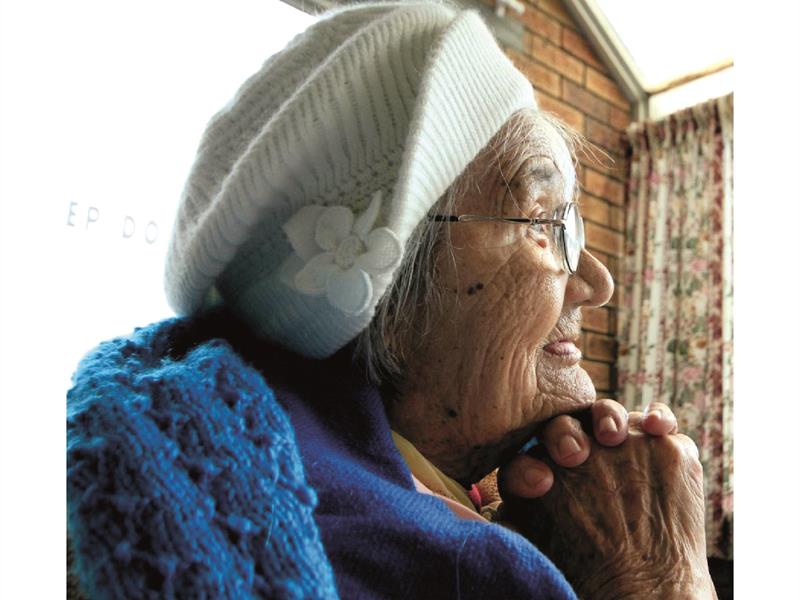
MBOMBELA – “Let the elders who rule well be considered worthy of double honour, especially those who labour in preaching and teaching.”
This verse in Timothy 5:17 perfectly summarises the importance of the elderly in the world, which places an even greater irony on the prevalence of elderly abuse in our society. On June 15 South Africa will participate in World Elder Abuse Awareness Day. The elderly have been deemed replaceable to some, placed in old-age homes and frail-care units to lessen the burden.
According to Age-in-Action CEO, Ingrid Cupido, the goal is to raise awareness of the cultural, psychological, social, economic and demographic processes affecting elderly abuse and neglect.
“Abuse of older persons refers to actions that can harm or put at risk the health or welfare of older persons,” she stated in a press release.
Founded in 1956 as The South African Council for the Aged, now known as Age-in-Action, it is the body representing more than 2,7 million older people. The organisation also has 1 000 members comprising of service centres, clubs, old age homes, retirement villages and other NGOs as members who provide vital services to as many older persons.
Many older persons around the world are being abused in their homes, in relatives’ homes, and even in facilities responsible for their care. South Africa is not excluded. The popular current-affairs programme Carte Blanche also recently delved into this topic, revealing shocking footage of abuse.
Worryingly there are no accurate statistics because people are not reporting it. If one suspects that an older person is neglected or being preyed upon financially, it is important to speak up.
Abuse of elderly has many different forms such as intimidation, threats, neglect and financial deception. In addition, World Elder Abuse Awareness Day is in support of the United Nations International Plan of Action acknowledging the significance of elderly abuse as a public-health and human-rights issue.
Communities around the world are urged to report cases of abuse or neglect.
They must not hesitate to report the situation, assume that someone else will take care of it, or that the person being abused is capable of getting help if he or she really needs it. It is important for the victim to speak up as everyone has basic human rights. If you are an older person who is being abused, neglected, or exploited, tell at least one person.
Tell your doctor, a friend, or a family member whom you trust.
Enquiries: Age-in-Action’s national toll-free care line on 080-033-3231.