Vulture deaths remain unexplained
MARLOTH PARK – The poisoning of 14 white-backed vultures last week in Lionspruit, the nature reserve next to this holiday destination, Marloth Park, remains unexplained. The carcasses of the vultures were found on Tuesday, June 2. 12 birds died while two of the birds were, although very weak, still alive. Onderstepoort State Veterinary Service hasn’t …
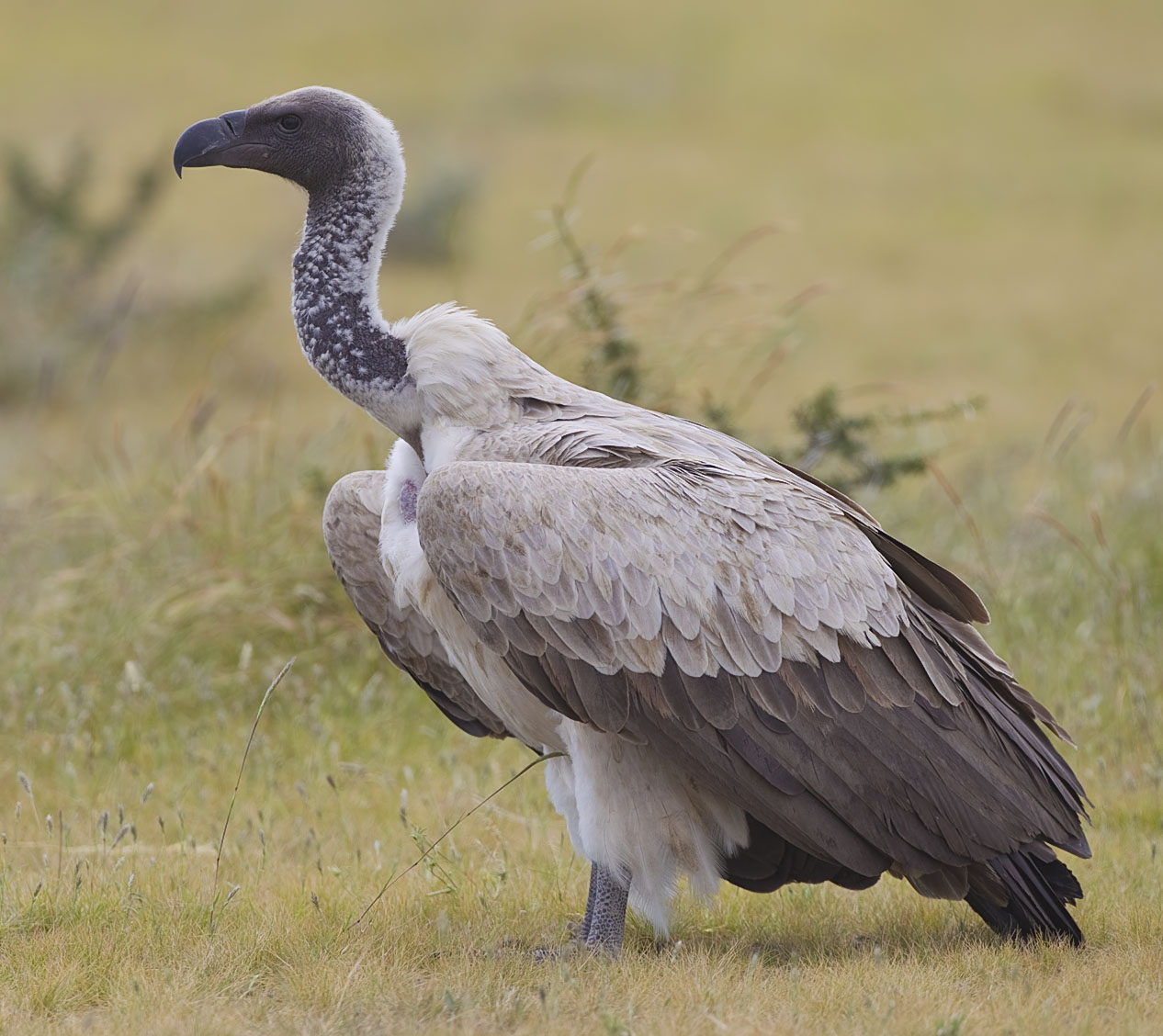
MARLOTH PARK – The poisoning of 14 white-backed vultures last week in Lionspruit, the nature reserve next to this holiday destination, Marloth Park, remains unexplained.
The carcasses of the vultures were found on Tuesday, June 2.
12 birds died while two of the birds were, although very weak, still alive.
Onderstepoort State Veterinary Service hasn’t completed its analysis on the dead birds yet.
Dr Johann Coetzee, state-veterinarian of Nkomazi Local Municipality (NKLM) told Lowvelder that it looked like organophosphate poisoning, but his department was still waiting for confirmation. Temik, also known as two-step, is an organophosphate widely used by crop farmers like sugarcane farmers, but also by poachers.
The manager of the Birds of Prey of Endangered Wildlife Trust, Mr André Botha, told Lowvelder that ”Temik was banned in South Africa last year, but there is still a lot of it doing the round. It is also still used by farmers in Mozambique and Zimbabwe”.
Coetzee said Botha contacted them with information on how to deal with the death of the vultures and the two birds which survived. Coetzee added that no other carcasses had been found with that of the vultures and that only one of these showed signs of having been eaten. It can also be that the carcass of the one bird that shows signs of being eaten, could have died before.
The head of Moholoholo Rehabilitation Centre, Mr Brian Jones, also told Lowvelder that it looked like Temik poisoning. “The organophosphate that killed the birds is widely used by sugarcane farmers, as well as on various crops. I think that a predator like a jackal might have eaten the dead vulture, because vultures wouldn’t eat vulture meat or rotten meat. I suspect they had eaten a contaminated predator’s carcass and that caused their consequent deaths.”
The two vultures which were still alive, had been injected with atropine to stabilise their hearts by personnel of the State Veterinary Department at NKLM. Some of the carcasses were also transported to the Mpumalanga Tourism and Parks Agency (MTPA).
The two birds were picked up in Lionspruit and transported to White River where they were met by the team of Moholoholo. They started treating the birds immediately.
They gave both birds a good dose of water to induce vomiting ridding their systems of the toxins. The weaker one of the two was found barely alive.
Jones confirmed to Lowvelder yesterday that both the birds were doing very well and that they will be tagged and released within the next week or so.
The Marloth Park municipal game rangers, with the help of Botha, sterilised the area after the removal of the carcasses.