Mozambican government show resolve by burning stockpile
More than a ton of ivory and rhino horns was destroyed by flames in Maputo
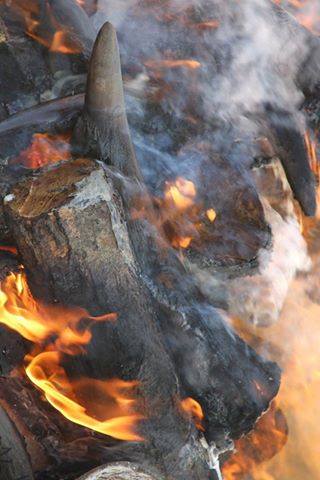
MAPUTO – Mozambique has destroyed more than one ton of confiscated ivory, as well as 53 rhino horns. According to the Wilderness Conservation Society in the USA, this will show Mozambique’s resolve in the fight against poaching.
Almost 350 elephant tusks and 65 rhino horns which were seized on May 12 in a raid in the southern Mozambican city of Matola, was burnt on the stack.


Authorities are still investigating whether the horns came from South Africa. The rhino population in SA’s Kruger National Park (KNP) is frequently targeted by poachers who cross over from Mozambique. Rhino poaching has surged in recent years to meet growing demand for the horn in parts of Asia. Experts believe Mozambique’s rhino population has been virtually wiped out.
 In May conservationists said the number of elephant in Mozambique had dropped by nearly 50 per cent to about 10 300 in the past five years because of this scourge. Mozambican conservationists have targeted syndicates poaching in SA and try to provide alternatives to crime.
“Rhino-poaching syndicates are turning our young Mozambican men into criminals. Too many of them are coming back in
body bags. We have to stop this,” says Dr Leonardo Simão, executive director of the Joaquim Chissano Foundation and its wildlife-preservation initiative.

Unconfirmed figures indicate that about 490 poachers were “neutralised”, meaning they were either arrested or killed during skirmishes with rangers inside the KNP over the past five years. At least 80 per cent, or 392, of them were Mozambican.
This has been confirmed by research done by Outraged South African Citizens against Poaching (Oscap). Director and spokesman for Oscap, Ms Allison Thomson told Lowvelder, “By April 33 poachers had been arrested in Kruger, most of them from Mozambique. Last year a record of 151 were arrested in the park, also mostly Mozambicans.”
In the eight months since the Chissano Foundation’s preservation initiative began, the Mozambican Government and the Peace Parks Foundation signed a Memorandum of Understanding, beefed up security around the border with the park and launched anti-poaching operations around Mozambique’s adjacent Limpopo National Park.
 “We are talking about a $19 billion (R230 billion) criminal trade dealing in wildlife. Rhino-horn trafficking is part of that trade. Anti-poaching and counter-trafficking programmes form part of what we do,” Simão said.
“Mozambicans know that to poach is risky and illegal. They risk their lives and that of their children. But because they profit, it’s worth the risk. We have to understand how the syndicates operate and we are getting there. We know that when a poacher is killed, the syndicate will still bring the money to the family. So the family reckons: We’ve lost our son, but we are being compensated. So the next one also goes,” he added.
Until April last year poaching was not a crime in Mozambique.
There is a long and tough road ahead but according to Simão, the whole country is committed to giving communities a decent alternative to turning criminal.