Mpumalanga Gambling Board goes from strength to strength
The dedication and commitment shown by the leadership of the board have had a knock-on effect and trickled down through the ranks to the entire staff
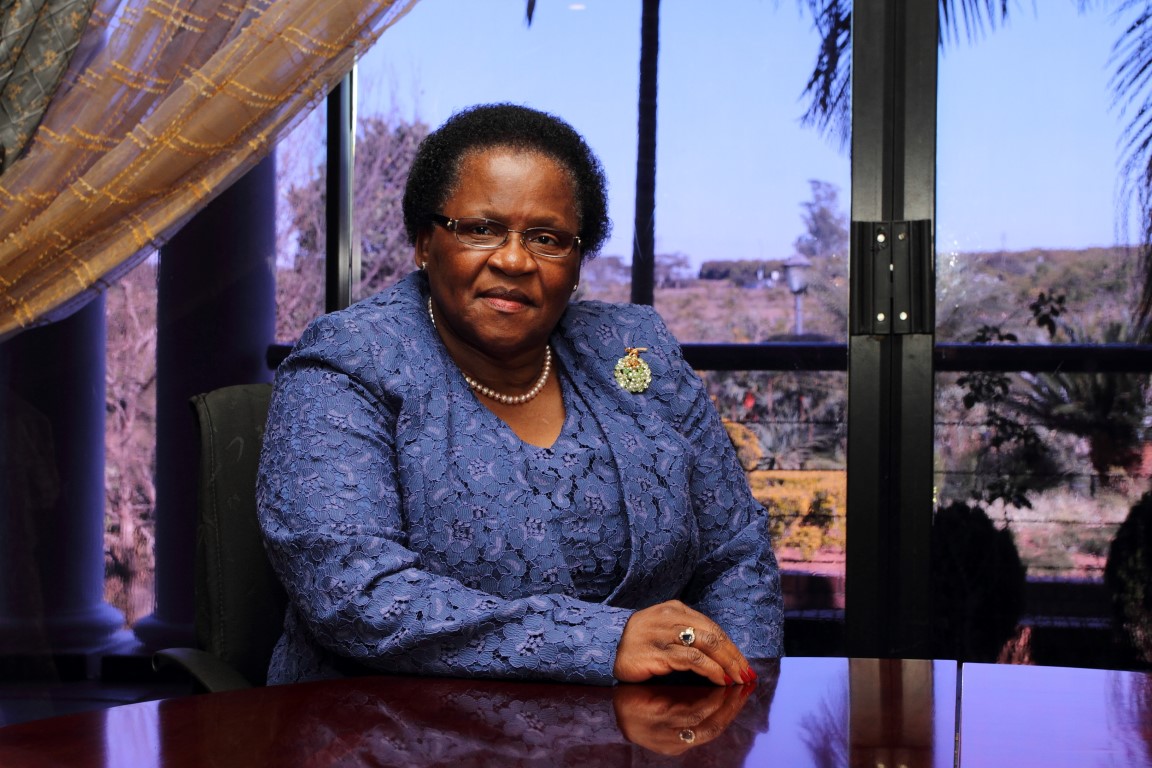
MBOMBELA – The Mpumalanga Gambling Board (MGB) celebrated 20 years of service delivery to the province’s people in December.
Lowvelder spoke to the chairman of the board, Dr Nora Fakude-Nkuna, about the achievements and advantages of this organisation.
It was established in December 1995, with the aim of providing licensing to, and control of, all gambling establishments in the province and managing any other matter relating to gambling, in terms of the Mpumalanga Gambling Act.
The board is proud to be the first in the country, after 1994, to license casinos in 1997, and it was also the first to introduce limited payout machines (LPM) in gambling establishments in 2003.
Fakude-Nkuna said this birthday is not only a reflection of the board’s successful establishment of a gambling industry in the province, but also proof of its adherence to strict corporate governance and social ethics, as well as its ongoing commitment to ensure effective regulation of the industry. “Gambling and gambling houses are controlled in terms of the Act. There are systems in place such as Gambling Anonymous for those with a gambling problem.
“Casino patrons who have become addicted can be easily identifiable and censored, and can even be referred to counselling if necessary. That can only happen in a legal gambling environment and refers to one of the roles that the board has been performing.”
Also read: Board dismantles illegal gambling machines
Over the past 20 years, the MGB has furthered its resolve to promote responsible gambling and encourages licensees, patrons and the general public to find a positive balance between the social costs and the benefits of gambling.
To assist in this endeavour, the board has embarked on a number of responsible gambling projects to ensure that local communities are sufficiently educated about the risks of irresponsible gambling and uncontrollable gambling habits – such as using social grant money or essential household funds to engage in gambling activities, rather than using it to service their basic needs – as well as the dangers of being involved in unregulated or illegal gambling.
While illegal gambling remains a global problem, the MGB constantly renews its commitment to fighting illegal gambling operations and works closely with other law enforcement agencies. Not only do these illegal operators deceive the trusting public, but they also inhibit government’s efforts to create sustainable jobs, as well as affecting its own revenue generating capacity.
The board, in its aim to promote effective governance within the sector, strives to offer local communities more than the simple issuing of gambling licences and collecting levies. Since its inception, the industry has made significant contributions to economic development in the province through job creation, the levies (which contribute to provincial revenue streams) and by promoting responsible gambling to the citizens of Mpumalanga.
The casinos themselves also play a role in local development, as they help build thriving urban hubs in the area – stimulating the development of local infrastructure such as malls, hotels and other recreational facilities.
Fakude-Nkuna painted a picture of a rather bleak province before casinos were established and started to contribute immensely to local economies.
Also read: Six do’s and don’ts of safe gambling
“The board made it a condition that every licence will come with investments that will enhance economic activity in an area. Twenty years ago, there was nothing where Riverside Mall currently is situated. All the surrounding developments were linked to these conditions. The growth around the mall is self-evident.
“Some areas such as Highveld Ridge were once was just barren land and the development and economic activities are also bearing the value that the casino licence brings to an area. Graceland Hotel and Casino also added a lot of value to Secunda itself, not to mention the jobs the casino and businesses attached to licence have created.”
She further explained that LPM’s also help stimulate the local economy by empowering small, medium and micro businesses – specifically those from previously disadvantaged communities – through creating alternative revenue streams.
To date, the board has granted three of the four casino licences within the province, as well as one independent site operator, two bingo centres, 52 betting outlets and two route operators, linked to 144 site operators.
She added that the success of the board is attributed to its high performance standards and its strict adherence to good governance since it was established.
“The dedication and commitment shown by the leadership of the board have had a knock-on effect and trickled down through the ranks to the entire staff, which is evident by the board’s inherent culture of embracing the ‘Batho Pele’ principles, as well as its achievement of clean audits every year since 1995.”
The 20-year anniversary coincides with the recognition of the board’s CEO, Mr Bheki Mlambo, as the new president of the International Association of Gaming Regulators, thus demonstrating the way the MGB’s pioneering spirit reaches international boundaries. This has placed Mpumalanga, the country and the continent in the limelight of world-class gambling regulation.