Leopard spotters aid conservation
Leopard spotters of the world unite and save this endangered species by a a click of the mouse.
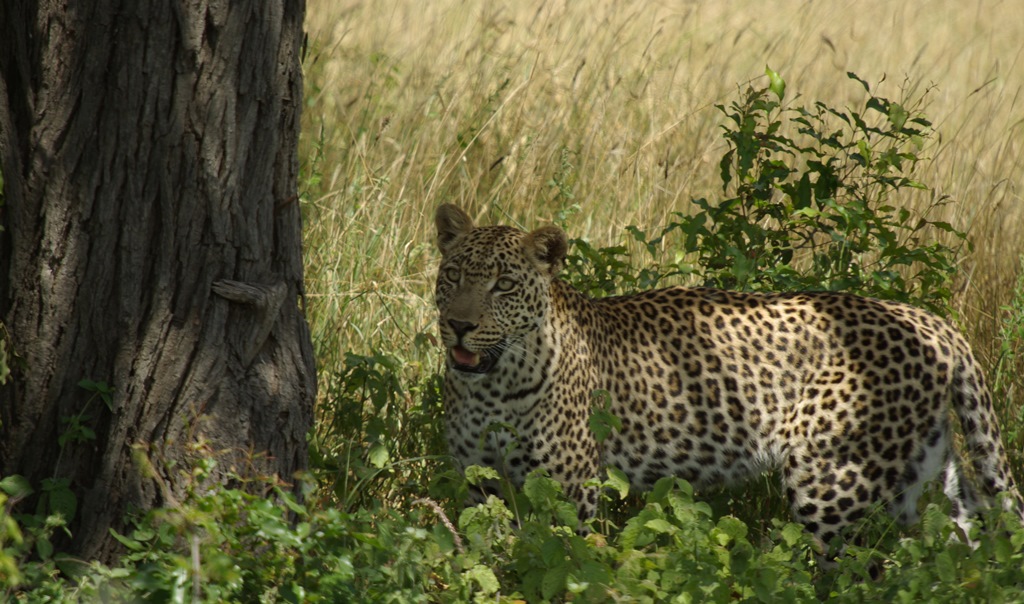
MBOMBELA – Click away and save a leopard’s life. This is the main aim of a project to obtain an accurate population estimate for leopards in southern Africa.
It is also designed to provide researchers and conservationists with an accurate database from which they can do their research to save the animals.
This technology-based project is making huge inroads in conservation.
It is called “conservation photography” and while establishing a scientific database, acts as an agent for protecting nature by raising public awareness.
All nature lovers with either a camera or cellphone, be they amateur or professional, can take part in this project that started in the Kruger National Park (KNP).
The Leopard Identification Project (LIP) aids conservation by gathering data based on location by leopard spotters. LIP also collects dates of recent leopard sightings across the African continent.
This data is shared by team members collaborating with other projects.
LIP has received nearly 40 000 submissions to its website (www.leopardidproject.com).
The team working on the project has been able to add many of these submissions to its ever-growing database. Some of these photographs can be seen on the Facebook page, Leopard Identification Project southern Africa.
“We are fortunate enough to now be in a position where we can expect daily photographs from guides and leopard enthusiasts who understand the importance of our project and are willing to share this with their friends and family alike,” said Mr Guy Ellis, pioneering member of the project. The project aims to educate the public about leopard conservation.
For various reasons the project was begun in the KNP in 2012 and has now expanded to the rest of the country.
The team often travels to the areas in order to identify animals sighted by the leopard spotters.
There is a lot of illegal hunting of these animals.
At present there is a ban on hunting leopards in South Africa.
The fur industry is a great threat to them but an even greater danger is livestock owners who live close to the protected parks and reserves.
They use widely available traps, poisons and rifles to kill leopards in an attempt to save their livestock. They may be killed if they wander too close to a human settlement.
The project is truly something that anyone can get involved in. There are no restrictions other than sending a clear photo of a leopard to info@leopardidproject.com and making the location and date of the sighting available to the team.
“We have very loyal people who always submit their images. We have also had quite a few very prominent NGOs contacting us to use our database in various research initiatives,” said Ellis.
Currently various manual techniques are used to identify different animals, like spot patterns, nicks, cuts, eye colour and size.
“Eventually we aim to use spot-pattern recognition and location software to draw accurate negative or assumed territories using technology, based on demographic and environmental factors.
“It will be possible then for us to project the data collected on to the whole of southern Africa,” Ellis explained.