HOEDSPRUIT – “I’ve been in the conservation industry for about 30 years now, and this is probably the darkest day.” This is according to Mr Tim Parker, anti-poaching manager of Blue Canyon Conservancy in Hoedspruit, where rhino poaching occurs on a daily basis.
At US$60 000 (almost R1 million) a kilogram, rhino horn is said to be more valuable than gold or platinum. For criminal syndicates the rewards are therefore substantial, while for impoverished communities which border national and private reserves, the risks associated with poaching are outweighed by the need for survival.
We are losing a battle that seems endless, and we don’t see any results,” said Parker during the Isuzu Horn Free anti-poaching project at the reserve last week, conducted in partnership with Nkombe Rhino. During a three-day period, 25 rhinos were dehorned as part of a strategy to try and protect animals against poaching.
“Removing the rhino’s most distinctive feature, along with education of local communities and dissemination of information, is part of the measures used to slow the poaching pandemic. This process has been proven to work. For example, dehorned rhinos in certain Zimbabwean conservancies appear to have a 29 per cent better chance of surviving than horned animals. Previous operations in the Blue Canyon Conservatory have also resulted in a dramatic decline in poaching,” said Isuzu brand manager, Ms Mlungisi Nonkonya.
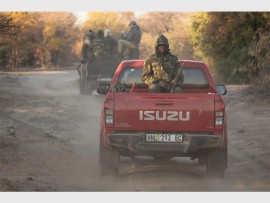
Along with much-needed financial support for the dehorning mission, Isuzu provided a fleet of bakkies as support vehicles for the operation.
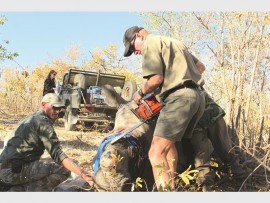
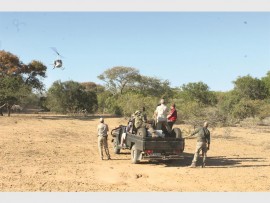
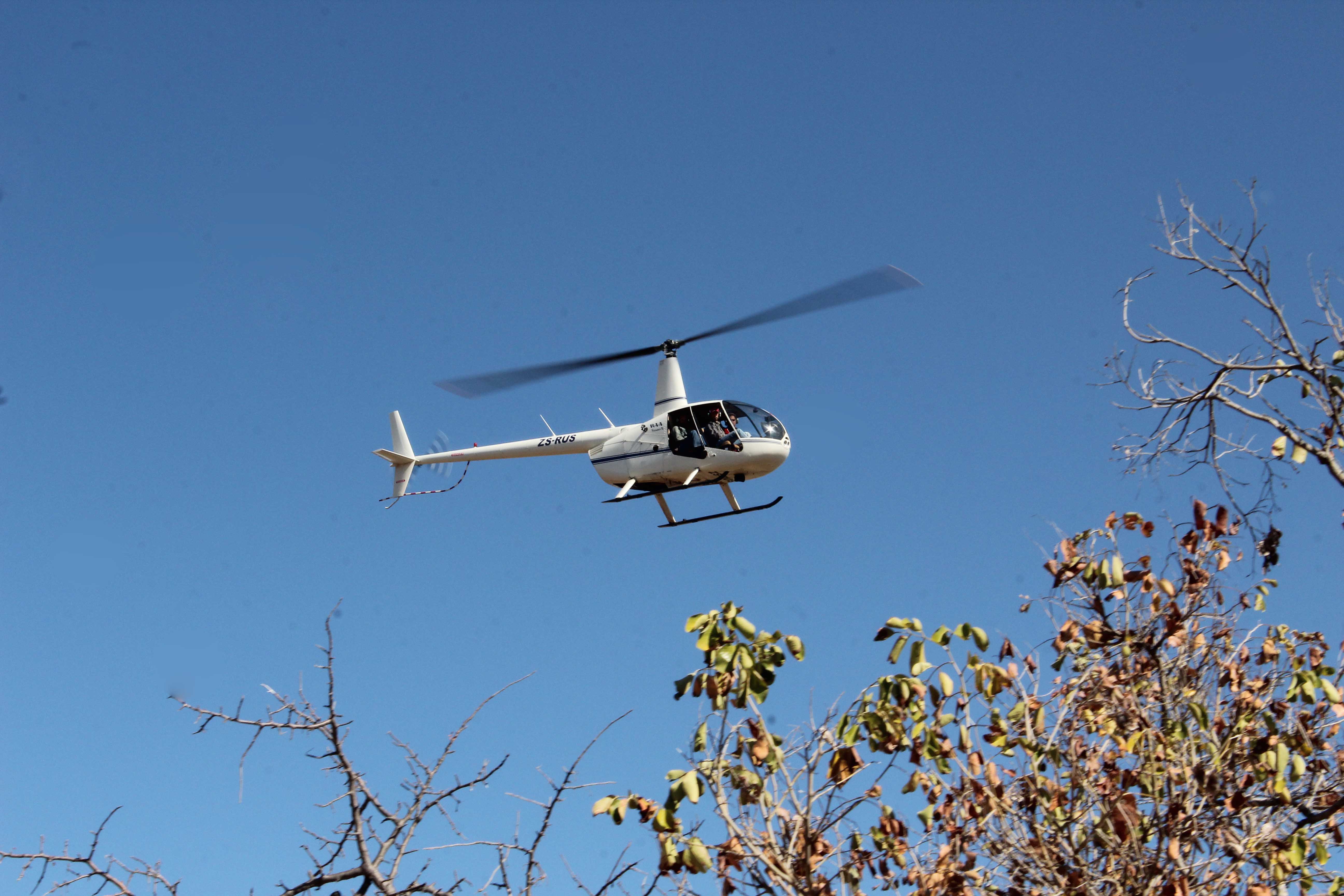
This process will take place every 18 to 24 months as the horns grow rapidly. The process involved finding the rhinos and tranquilising them from a helicopter, manned by a highly skilled pilot.
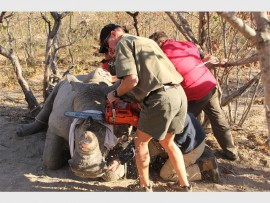
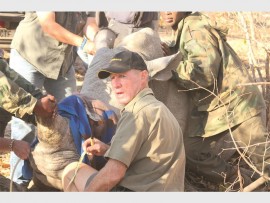
Once the anaesthetic dart took effect, it was safe for a team of highly trained professionals to approach. Working fast but with great care and causing as little distress as possible, the team started with the dehorning process.
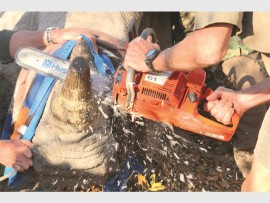
This two-ton animal gracefully collapsed while trying to fight the effect of the anaesthetic. The team covered its eyes to keep it calm, gave it oxygen, applied an ointment to its eyes and held on for dear life while as much of the horn was carefully removed without cutting into the live tissue.
“Any anaesthetic is a risk, but if you look at the reward and the results we have achieved so far, it’s definitely worth taking the risk,” said Dr Peter Rogers, a wildlife vet from the area.
Removing the horn just makes it less attractive, but that does not mean that poachers will not kill the animal. It sometimes happens that the rhino gets shot first, after which poachers see that it doesn’t have a horn,” he said.
“Desperate times call for desperate measures, because the measures we’ve taken so far are not working. The conservation of rhinos has become part of our everyday life, and it’s soul destroying. But, we are passionate about what we do and we will fight right until the bloody end,” Rogers added. He reiterated that all of the measures taken up until now, have not worked.
“Last year we reached the tipping point where more rhinos are being poached than babies being born. We are on a downward trend,” he added. “All sorts of measures have been tried, dehorning being one.” In Rogers’ opinion, legalising the trade in rhino horn is also just another option.
“Just as dehorning, it may not work, but we’ve got nothing to lose,” he concluded.
Also read: Poaching an increasing threat to KNP elephants
Drones tested in KNP to help fight poaching
A video will soon be available at www.lowvelder.co.za