Anti-poaching methods a game-changer in KNP
Extra measures have been taken in the south of the park, where an estimated 30 per cent of the world's rhino population is based.
SKUKUZA – The Kruger National Park’s (KNP) anti-poaching efforts are proving so successful that poachers have been forced to change tactics.
Poaching incidents are down in the park and these activities are moving to the less-policed western areas and outside the park.
At the height of this scourge in the Kruger in 2013 an average of three rhinos were poached every day.
According to Dr Sam Ferreira, KNP’s large-mammal ecologist, this figure is 1,35 at present.
This is considerably lower than the average of 2,75 rhinos countrywide and indicates that measures employed by the anti-poaching unit, Mission Area Joint Operations Centre, are making a real difference.
The minister of environmental affairs, Ms Edna Molewa, announced that from January 1 to August 31 a total of 458 rhino carcasses was found in the KNP, compared to 557 during the same period last year.
This is a 17,8 per cent decline.
Maj Gen (Ret) Johan Jooste, head of anti-poaching operations for SANParks, held a media briefing last week.
“We will never have a shoot-to-kill policy in KNP’s anti-poaching strategies. If we had such a policy it would be a massacre, because so many poachers enter the park on a daily basis,” he said.
“We would rather stick to our strategy of collapsing and disrupting crime networks and giving communities around the park economic choices.”
Jooste emphasised that when it comes to poaching in the Kruger, “the dark side is the south”.
Extra measures have been taken in the south of the park, where an estimated 30 per cent of the world’s rhino population is based. These measures include infrastructure upgrades such as making technology available to rangers, extensions to the park’s helicopter fleet and support for the K9 unit.
“Man’s best friend is now also the rhino’s best friend,” he said.
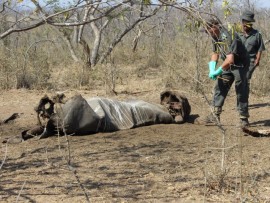
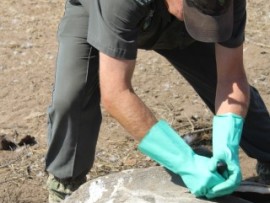
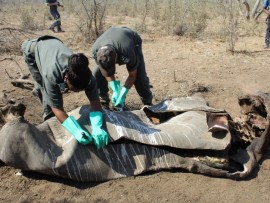
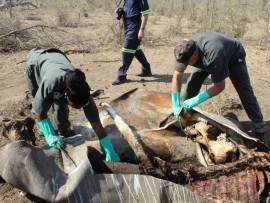
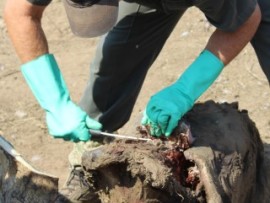
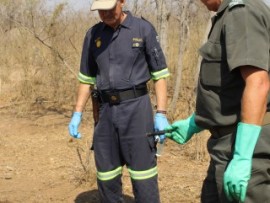
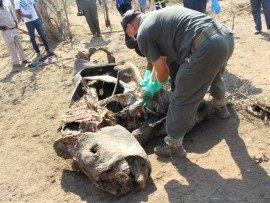
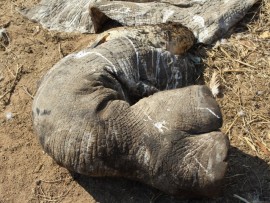
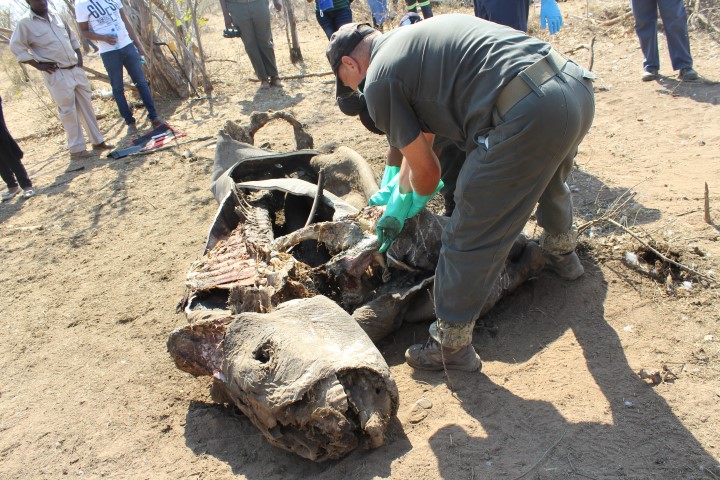
During a press briefing at one of four unprocessed rhino-poaching crime scenes in Pretoriuskop, Mr Frik Rossouw, senior environmental investigator for SANParks, confirmed that 23 per cent fewer rhinos have been poached in the park so far this year.
He added that more poaching activity than usual had been discovered in the specific Napi Trail area over the previous 10 days.
“There has been a shift from the eastern to the western side of the park. The drought makes it a greater risk to move deep into the park as tracks are more visible. Even though there are fewer incursions from Mozambique, there is usually a Mozambican among a poaching gang,” he said.
Mr Nicholas Funda, chief ranger of the KNP, also pointed out that incursions increasingly came from within South African territory rather than Mozambique.
For Jooste it came down to a focused strategy. The intensive protection zone of the KNP used the R250-million donation by American businessman and philanthropist, Mr Warren Buffett. There were strict deadlines attached which had been met in full this year.
“We can’t deny that anti-poaching has paramilitary implications in Africa. Every field ranger has become a warrior. If we want to save our rhinos, we have to protect our rangers,” Jooste said.
The success of the strategies has implications for the rest of the country. The number of rhinos poached in KwaZulu-Natal this year is up by 20 per cent, compared with the same period in 2015. Nationally, 702 rhinos have been poached since the beginning of 2016.
“We are aware of the deferring of rhino poaching to other parts of the country due to tighter security measures in the KNP,” said Mr Cedric Coetzee, provincial security manager of Ezemvelo KZN Wildlife. “The point is that the demand is not going away but increasing.”