CITES COP17 turns spotlight on African continent’s poached animals
More than 3 500 delegates will be attending the largest CITES meeting ever in Sandton at the end of the week. 500 species will feature on the #CoP17 agenda for discussion.
JOHANNESBURG-The fourth Conference of the Parties to CITES to be held on the African continent since 1975, and the first on the Continent since 2000, will be held at the Sandton Convention Centre in Johannesburg from Saturday, 24 September 2016 to 5 October 2016. More than 3500 delegates are expected to attend the conference.
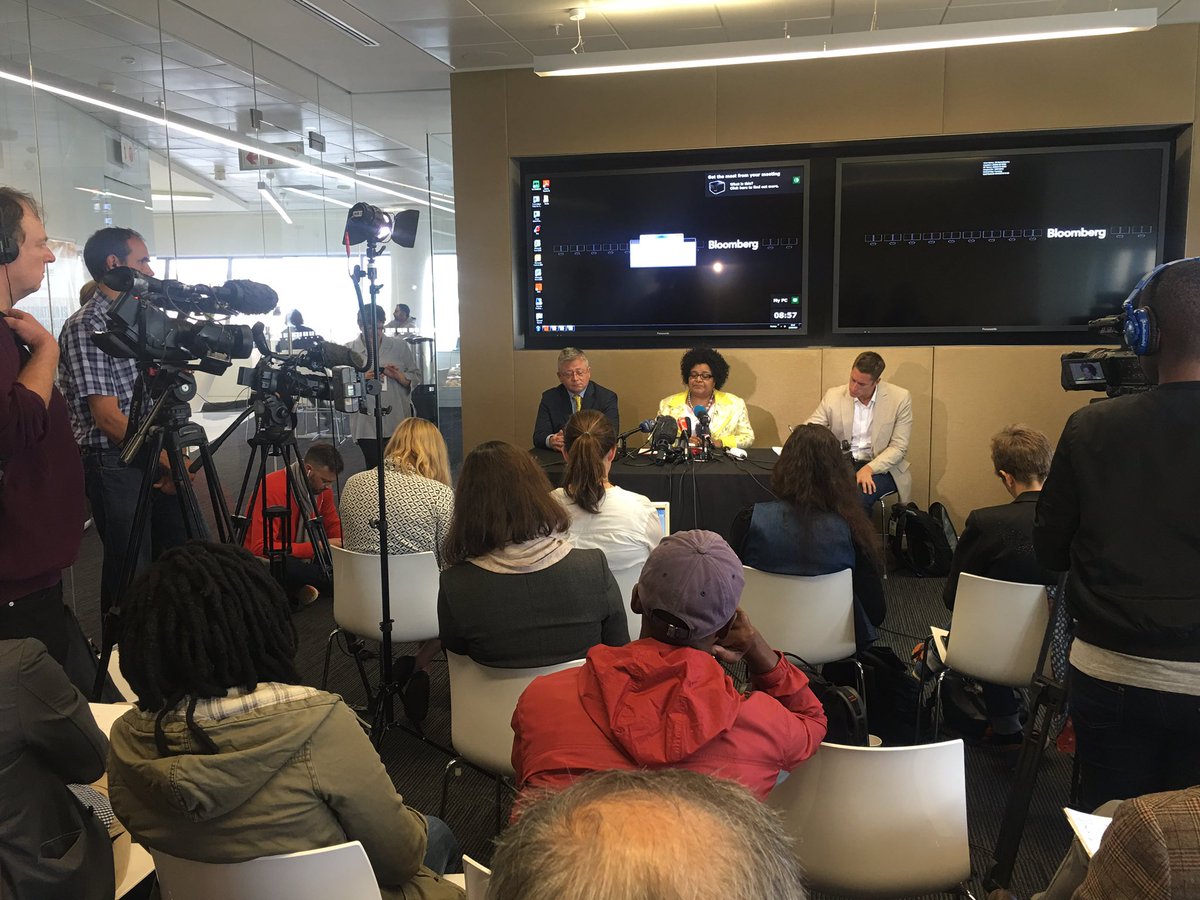
Minister of Environmental Affairs, Edna Molewa, today gave a briefing to the Foreign Press Assosciation of South Africa on which role the South African government would be playing during the congress.
South Africa is a founding member of CITES.
The Convention was adopted on 3 March 1973, but only came into force on July 1, 1975. Today, 183 Parties are signatory to the Treaty, which has as its aim to ensure that international trade in specimens of listed wild animals and plants does not threaten their survival in the wild.
The Department of Environmental Affairs, the CITES Secretariat and the various Departments and entities serving on the Local Organising Committee have been working with the City of Johannesburg and the Sandton Convention Centre to ensure the successful hosting of the Conference.
More than 120 documents will be considered during the Conference. Among these documents, 60 are proposals to amend the lists of species subject to CITES trade controls. This includes proposals submitted by South Africa.
The Conference will also deliberate on the role of CITES in securing the livelihoods of people living with wildlife and ensuring communities are considered in terms of interventions implemented in terms of the Convention. Other issues to be discussed include the legal and sustainable wildlife trade, measures to tackle illicit wildlife trafficking, and enhanced enforcement.
Controversial and thought-provoking topics, such as interventions to address the poaching of elephant; the proposed listing of elephant, lion, rosewood species and sharks; as well as the illegal trade in rhino horn and pangolin, are areas that will receive the most international and national attention.
Already questions on controversial topics were asked this morning. The WWF highlighted the fact that the ivory trade in Asia is significant and a “deep-seated cultural practice”.
“We do not believe we should be too judgemental on who does what with rhino horn. These are deep-seated cultural practices,” Molewa said to the chagrin of activists against poaching attending the briefing.
Molewa explained that African countries, through their participation in the Conference, have the potential to influence the negotiations. “South Africa will support proposals and working documents that promote sustainable use of natural resources, provided they have a scientific basis and are aimed at securing the long term conservation of the species,” said Molewa.