Facts about your daily cuppa Joe that you need to know
There really can't be any adults in this great big world that has never tried coffee. It's consumed everywhere, and judging by the amount of coffee shops around, Lowvelders love their caffeine.
Shepherds discovered coffee in Ethiopia circa 800 A.D.
Legend has it that goat herders noticed that caffeine had an effect on their goats. After eating coffee berries, the goats appeared to be “dancing”. A local monk then made a drink with coffee berries and found that it kept him awake at night, thus the original cup of coffee was born.
Coffee is the second most traded commodity on earth.
According to the Global Exchange, there are approximately 25 million farmers in more than 50 countries involved in producing coffee. The world’s number on commodity you ask? Oil.

In Italian espresso means “when something is forced out.”
This refers to how an espresso is made — forcing boiling water through pressed coffee grounds, and, although espresso has more caffeine per volume than coffee, because it’s consumed in smaller quantities, it actually has about a third of the amount of caffeine as a regular cup of coffee.

Coffee was the first food to be freeze-dried.
The process of freeze drying (when fresh foods are placed in a dryer where temperatures drop to minus 40 degrees Celsius, which first started during World War II to preserve foods.
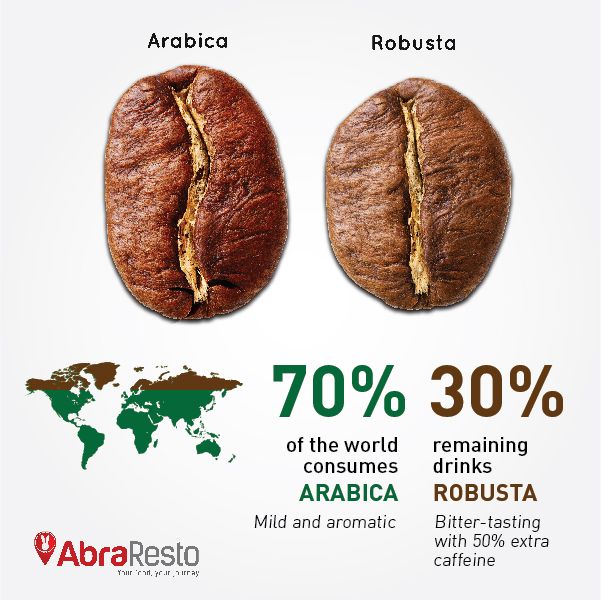
There are two types of coffee beans: Arabica and Robusta.
Seventy percent of coffee beans are Arabica. Although less popular, Robusta is slightly more bitter and has twice as much caffeine.
The majority of coffee is produced in Brazil.
Brazil produces 40% of the world’s coffee, followed by Columbia and Vietnam.

Coffee was originally a food.
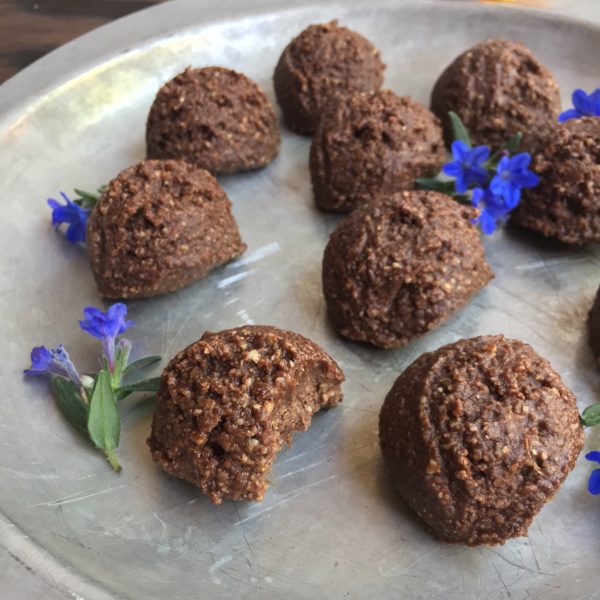
Coffee berries were mixed with fat to create an energy-rich snack ball. It was also consumed as a wine when made from the pulp of coffee berries.
The original definition of coffee means “wine.”
Coffee’s original name, qahwah, came from the Yemen term for wine. In Turkey it was called kahveh, until the Dutch referred to it as koffie, where we get the English coffee.
Coffee is actually a fruit.
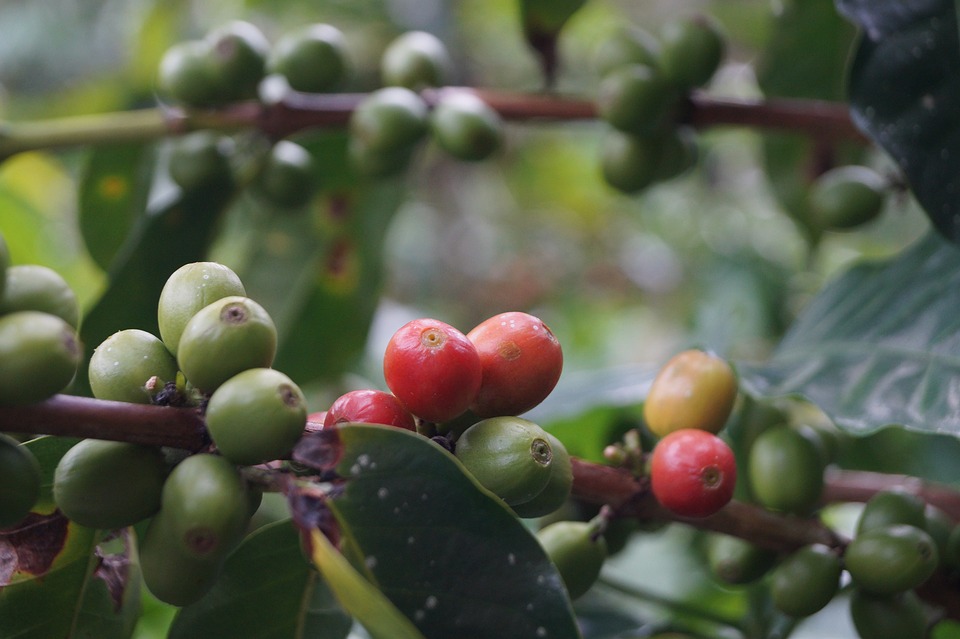
Coffee beans as we know them are actually the pits of a cherry-like berry that are grown on bushes. Even though coffee is actually a seed, it’s called a bean because of its resemblance to actual beans.
You can overdose on coffee.
However, you would need to drink over 100 cups to consume the lethal dose of caffeine.

Coffee drinkers have a lower risk of Alzheimer’s disease.
Researchers found that older patients with high levels of caffeine in their blood were more likely to avoid Alzheimer’s. Studies have also shown that caffeine has positive effects on type 2 diabetes and Parkinson’s disease. It has also been shown to protect against skin cancer in women.
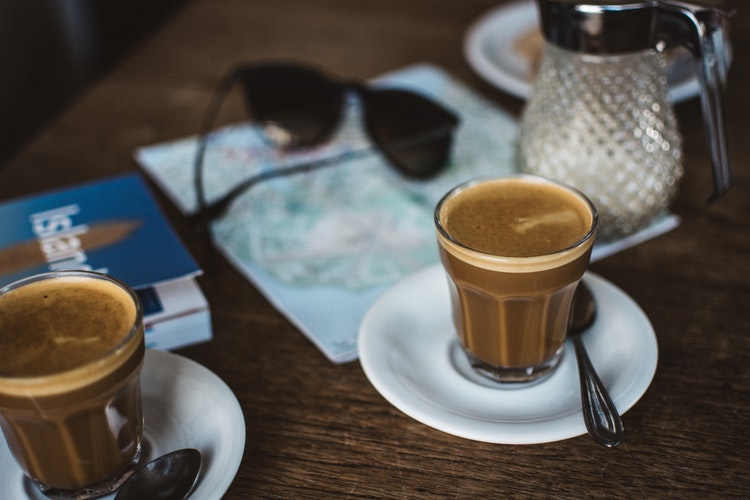
Coffee stays warmer when you add cream.
Coffee with added cream cools about 20% slower than plain black coffee.
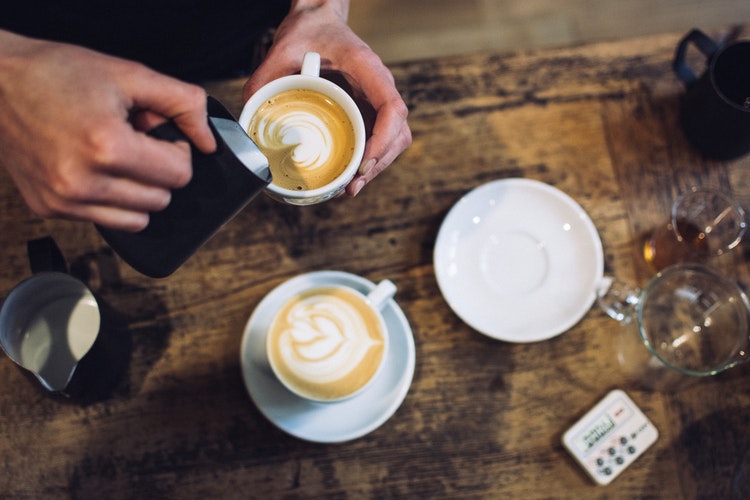
But, when you add milk, it weakens the effects of caffeine.
Our bodies absorb coffee much slower when it has added fat milk content, which decreases the stimulants.
The largest cup of coffee ever was brewed in July 2014 in South Korea.
It was over 14 000 litres. The largest iced coffee was brewed in Las Vegas in 2010, and was 5 600 litres, without the ice.

George Washington invented instant coffee.
No, not the famous face on the $1 bill, Chemist George Constant Washington experimented with dried coffee before he created Red E Coffee — the first brand name for instant coffee.
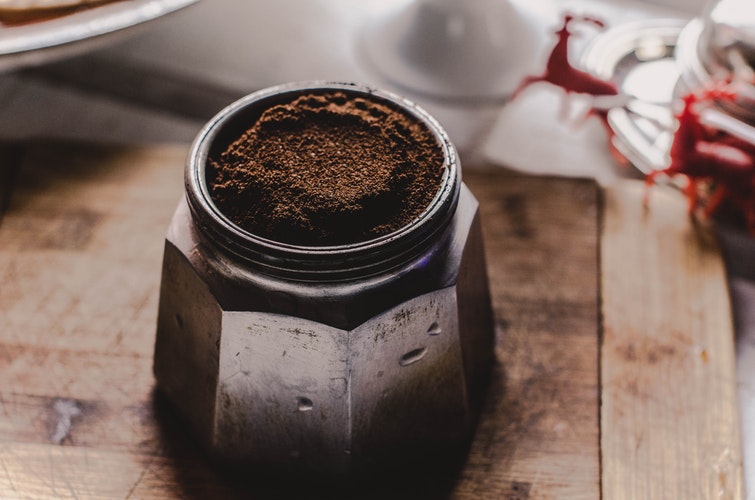
Just smelling coffee can wake you up.
Scientists recently reported that simply inhaling the aroma of coffee can alter the activity of some genes in the brain, reducing the effects of sleep deprivation. And when you do drink that cup of coffee, it only takes 10 minutes for the caffeine to reach your bloodstream.
Dark roast coffees have less caffeine than lighter roasts.
Even though the flavour is often stronger, and the aroma is more alluring, roasting actually burns off some of the caffeine.
Decaf does not mean caffeine-free.
An average cup of brewed decaf coffee actually has between 2 and 12 milligrams of caffeine. In comparison, a regular cup of coffee has anywhere from 95 to 200 milligrams. (A 340ml can of coke only has 23-35 milligrams of caffeine.)