Slight increase recorded on average in Mpumalanga dam levels
The fact that Kwena Dam is below 40 per cent is worrisome as the dam is strategic in supplying water to the capital city of Mbombela.
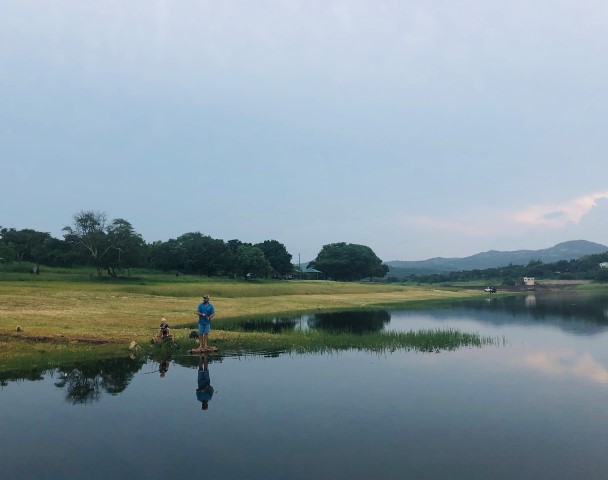
The recent rains in parts of the Mpumalanga Province have resulted in a slight 0.9 per cent increase on average, in dam levels in the province.
According to the Department of Water and Sanitation (DWS) weekly state of reservoirs report of January 14, the average water levels in the listed dams in the province slightly increased from 66.7 per cent to 67.6 per cent. The Olifants water management area also recorded a slight increase from 57.3 per cent to 57.9 per cent, whilst the Inkomati-Usuthu catchment recorded a decrease from 69.4 per cent to 69.3 per cent.
The majority of the listed dams in the Ehlanzeni District recorded some increases in water volumes with only Klipkoppie Dam recording a decrease from 48.2 per cent to 46.3 per cent. On the positive note, Driekoppies Dam remained unchanged at 63.3 per cent, Longmere Dam increased from 61.3 per cent to 71.6 per cent, Witklip Dam increased from 76.2 per cent to 80.9 per cent, Primkop Dam increased from 35.9 per cent to 40.0 per cent, Kwena Dam increased from 35.8 per cent to 36.3 per cent, Da Gama Dam increased from 66.7 per cent to 69.0 per cent, Blyderivierpoort Dam increased from 59.2 per cent to 68.0 per cent and Inyaka Dam increased from 58.4 per cent to 59.3 per cent.
The fact that Kwena Dam is below 40 per cent is worrisome as the dam is strategic in supplying water to the capital city of Mbombela.
PHOTOS: Community members in KaNyamazane still roofless
Middelburg Dam recorded a slight decline in water volumes from 91.7 per cent to 91.5 per cent in the Nkangala District. Witbank Dam increased from 88.5 per cent to 88.7 per cent and Loskop Dam increased from 80.5 per cent to 82.7 per cent.
In the Gert Sibande District, the majority of the listed dams recorded a decline in water volumes with only Grootdraai and Westoe dams recording some slight increases. Grootdraai Dam increased from 73.3 per cent to 76.0 per cent and Westoe Dam increased from 52.1 per cent to 52.7 per cent. The Nooitgedacht Dam decreased from 100.8 per cent to 98.3 per cent, Vygeboom Dam decreased from 101.4 per cent to 101.0 per cent, Jericho Dam decreased from 67.3 per cent to 66.9 per cent, Heyshope Dam decreased from 81.0 per cent to 80.4 per cent and Morgenstond Dam decreased from 65.5 per cent to 65.2 per cent.
The decline in water levels in the listed dams in the Gert Sibande District contributed to the drop in water volumes in the Inkomati-Usuthu catchment.
Everything to know about the 2019 elections
The Department of Water and Sanitation would like to urge and encourage water users, especially those relying on the Kwena Dam to be more conservative and innovative in their water use and adhere to the restrictions to ensure water security for all. Even though we get some rain, it is still not enough to fill our dams and restore the natural flow of our rivers and other watercourses, therefore the onus rests with all of us to ensure that we do not run out of water as water has no substitute.