Investing in the bigger picture to protect biodiversity
The critical state in which the Earth finds itself today has necessitated a change in how we look at our impact on the environment. Sappi is aware that biodiversity needs to be protected and expanded, or there will not be enough resources for everyone to share.
As a company dependent on natural resources, it is in Sappi’s best interest to protect the natural environment. This has prompted a holistic approach.
What affects biodiversity and what is Sappi’s strategy?
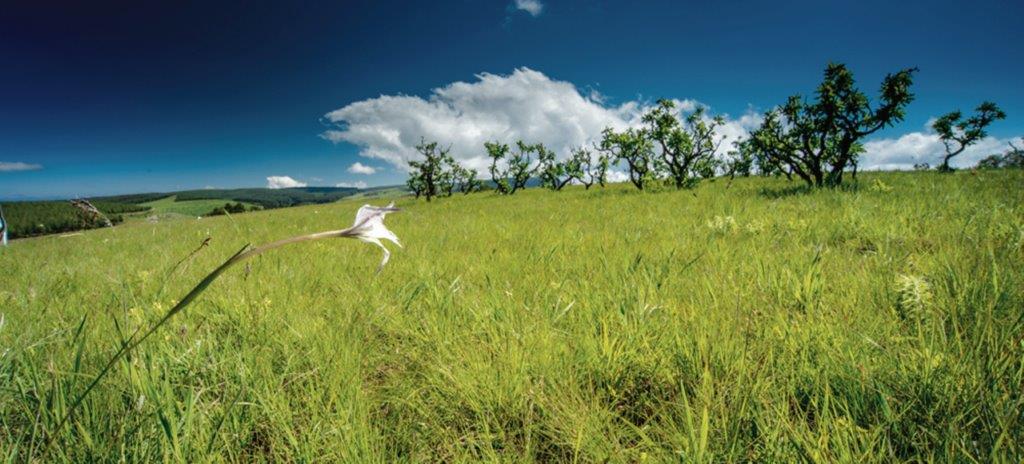
Any land use change affects biodiversity. the company therefore manages a third of all its land as natural areas, where land is protected and biodiversity is allowed to flourish. In the Barberton district, for example, Sappi owns 54 385 hectares of land, of which only 31 152 hectares are planted. This means 43 per cent of the land remains unplanted and is conserved. Sappi has also proclaimed nature reserves on several of its sites to protect the environment. Furthermore, there are no expansions of its forested areas and have not been for some time.
The company continues to reduce plantation size away from water sources, effectively shrinking the area under plantation by 2 600 hectares in Mpumalanga alone, thereby increasing the natural areas.This is an ongoing process.
Since invasive alien species affect biodiversity, Sappi spends on average R14 million annually in Mpumalanga alone controlling these species in unplanted areas. The company also has a 10-year plan to manage plantation trees that have spread to neighbouring properties.
Biodiversity dependencies and impacts of businesses create risks and opportunities for South African companies. Sappi has therefore taken a proactive approach with its biodiversity disclosure, focusing on alien invasive species and conservation area management.