A flu-like symptoms does not always mean Corona, you might simply have seasonal allergies
If you have a sudden cough, a runny nose and irritated sinuses close to a change of seasons, then you might be a sufferer of seasonal allergies.
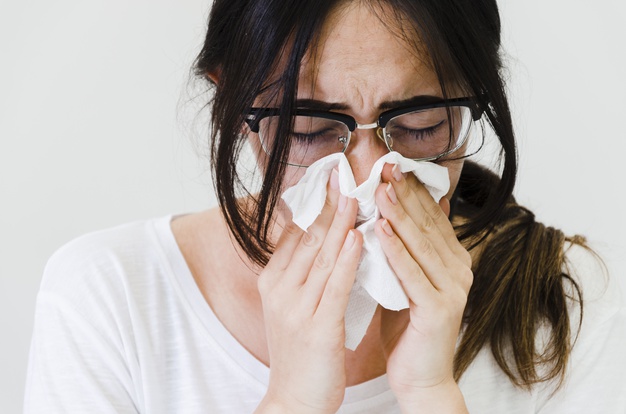
Seasonal allergies are more common than you would think. One possible reason for it is that some people experience only minor symptoms. But for those few unlucky ones who get hit hard by seasonal change, it is anything but pleasant.
According to the American College of Allergy, Asthma and Immunology (www.acaai.org), this is something that should not be taken lightly.

On their website they describe it as follows: “Seasonal allergies, like other allergies, develop when the body’s immune system becomes sensitised and overreacts to something in the environment that typically causes no problem in most people.”

Plants are the main culprits in causing these symptoms, especially flowering and pollinating flowers. It is difficult to say that you must avoid all plant material during certain parts of the year, so there are a few things you can do to make life a little easier. Here are a few points to keep in mind:
• Monitor pollen and mould counts. Weather reports in newspapers and on radio and television often include this information during allergy seasons.
• Keep windows and doors shut at home and in your car during allergy season.
• To avoid pollen, know which pollens you are sensitive to and then check pollen counts. In spring and summer, during tree and grass pollen season, levels are highest in the evening. In late summer and early fall, during ragweed pollen season, levels are highest in the morning.
• Take a shower, wash your hair and change your clothes after you’ve been working or playing outdoors.
• Wear a filter mask when mowing the lawn or doing other chores outdoors, and take appropriate medication beforehand.
• If you feel that you may be suffering from seasonal allergies, make an appointment to see your doctor for the best advice, and medication if needed.