
The demanding reality of working at the SPCA
The SPCA does not receive any funding from government - it is solely dependent on public donations of food or money.
The National Society for the Prevention of Cruelty to Animals (NSPCA) was established in 1955.
Its mandate: “To prevent cruelty – promote kindness and alleviate suffering for all animals – wild or domestic.”
Its functions are regulated by the SPCA Act 169/1993. Inspectors are guided by Animals Protection Act 71/1962 and 24/1935. Although it is a non-profit organisation, it has legal authority to apply the various Acts related to animals, with vigour and dedication.
READ: SPCA rescue animals from pet shop
Lowvelder visited the SPCA in Mbombela to talk to the people who drive the daily operations. The experience introduced the reality of two different perspectives – the public one and then, the day-to-day reality on the ground.
Now the intention of this article is not to engage in a philosophical discussion on whether animals have rights or not. Many of the world’s greatest artists and philosophers inclusive of Leonardo da Vinci, René Descartes and even Charles Darwin, supported a humanitarian approach to the rights of animals.
The SPCA cannot, unlike many other animal welfare organisations, deny accepting any animal that is brought to it by a member of the public, no matter the reason.
It has a legal obligation to accept and attend to such an animal. If the animal requires medical intervention, it has to provide this and this often means that it incurs huge veterinary expenses.
The SPCA does not receive any funding from government – it is solely dependent on public donations of food or money.
ALSO READ: Nelspruit SPCA fun day proves a treat for all
The public can, other than through direct donations, also get involved with projects like Adopt a Project or a kennel. Also important to note is that all donations to the SPCA are tax deductible. So why not make it part of your company’s social responsibility programme?
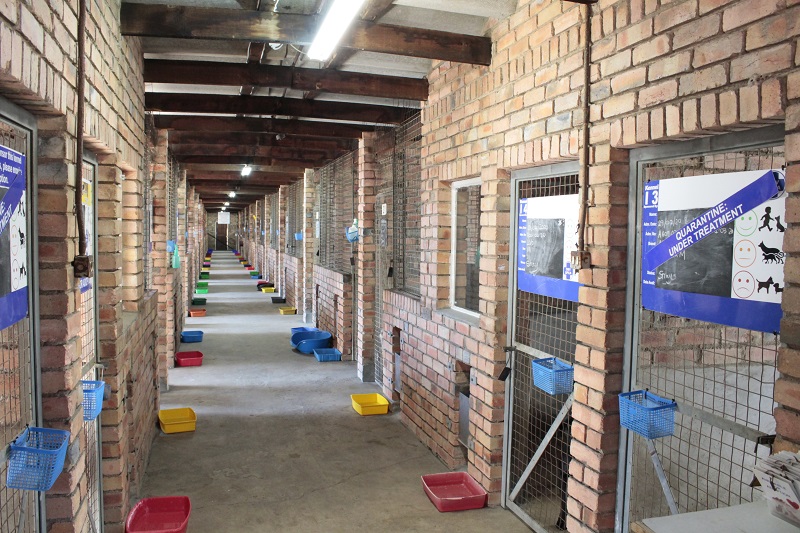
“The Mbombela community has always surprised us with truly amazing support. We do however require funding for specific expenses such as facility and vehicle maintenance, veterinary expenses, specific types of animals foods and salaries, to name but a few,” said kennel manager, Frederick van Heerden.
And on this note, if any local vehicle mechanic or workshop owner would offer their services towards the maintenance of SPCA vehicles, it will lighten the load on the branch in no small way. The vehicles travel many rural kilometres every day, over a large area.
What is it like to work in this environment?
“I am a musician, among other things, and have been working here for the last eight months. There is a huge opportunity in terms of education and only through the latter will one be able to create mind shifts that will benefit animals. Easy it is not and the things that one is exposed to takes a heavy toll on your emotional well-being,” said Joshua Beuster.
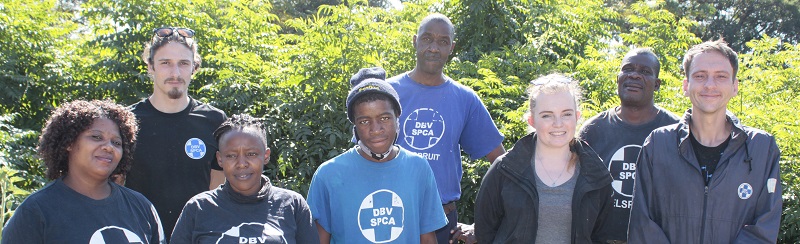
Matthews Moyo said, “I used to be a veterinary assistant and have been working in this environment for 19 years. Catching stray animals is one of the most difficult things to do. Home inspection, before we approve an adoption, is valuable as it offers an opportunity to educate prospective owners and children”.
Thandi Zulu stated, “My real name is Nomthandazo – it means prayer and well – it is not always easy doing what we do. Working with animals is easier than working with people. Love and care for them and they will return that love unconditionally. This makes it all worthwhile.”
“Animals don’t have agendas and this is why I love what I do,” said Portia Mavuso.
Nicki Milachowski said, “I studied BSc zoology and then worked at an elephant sanctuary down in the Cape before moving to Mbombela in 2019. This environment is tough. The public does not realise this. The cruelty to animals that we witness is emotionally draining. The verbal abuse that is often hurled at us for executing our legal mandate, is uncalled for. We care but it is a tough job”.
“As the kennel manager, my responsibilities are multiple. Many are challenging and some are rewarding. It becomes more so when funds are running low or we have a vehicle breakdown or there is another veterinary bill to be paid. We are almost always understaffed and will welcome more volunteers. The team is passionate about animals and what we do,” said Frederick van Heerden
Van Heerden has an IT background and “joining the SPCA, was a huge wake-up call to the reality of the demands placed on the SPCA,” he said.
He related some of the often nitty-gritty of the daily grind. That it takes its toll emotionally is no doubt and counselling is but part and parcel of the recovery and healing process.
Peter Singer and Tom Regan have argued that animals ability to feel pain as humans do makes their well-being worthy of equal consideration. There are many precursors of this train of thought. Jeremy Bentham wrote: “The question is not, can animals reason or can they talk? But, can they suffer?”
Animals can and do suffer at the hands of people.
The SPCA is at the forefront with 90 per cent of all investigations and prosecutions in terms of the various Acts that mandate its work.
The people, the inspectors, the assistants, the many hours and demanding conditions under which they do the best they can because they want to, deserves utmost respect and dedicated support.
Should a member of the public wish to donate or volunteer, contact the Mbombela branch on 013-753-3583.